The best meals for wisdom teeth recovery are soft, moist, nutritious, and easy to eat without much chewing. This guide focuses on combining foods into simple meals and a practical 3-day meal plan. For a broader checklist of individual options, see our soft foods after wisdom teeth removal list. In the first day or two, choose cool or lukewarm foods such as yogurt, applesauce, smooth soup, and mashed potatoes. As soreness improves, you may be able to add scrambled eggs, oatmeal, soft pasta, flaky fish, and other tender foods. Follow your oral surgeon’s instructions, because the right timing depends on your procedure and healing.
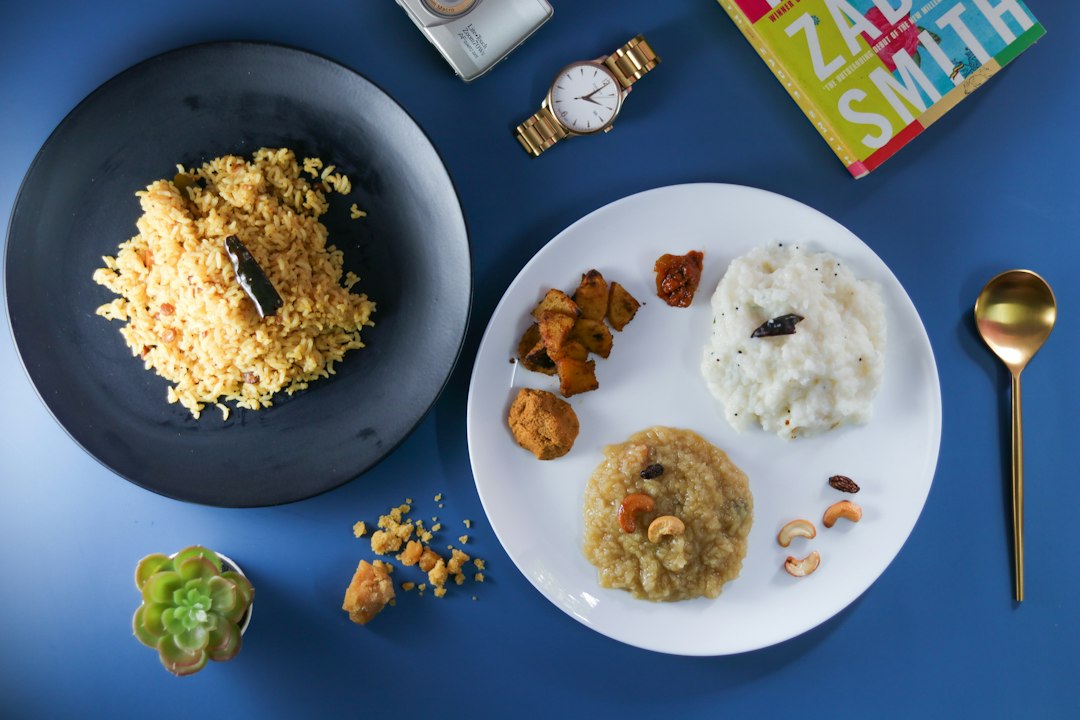
This guide gives you practical meal ideas for the first few days and beyond, plus simple ways to get enough protein and calories while protecting the blood clot in each extraction socket.
What Makes a Good Meal After Wisdom Teeth Removal?
Choose foods that are soft enough to swallow comfortably, moist rather than dry, and free of hard crumbs, seeds, or sharp edges. Aim for a balance of protein, energy, and fluids. Let hot foods cool until lukewarm, especially during the first 24 hours.
- Soft texture: little or no chewing should be needed at first.
- Protein: yogurt, eggs, smooth beans, and tender fish can help you meet your nutritional needs.
- Moisture: add broth, milk, gravy, or a smooth sauce if food feels dry.
- Comfortable temperature: cool or lukewarm foods are often easiest early on.
Best Meals for the First 24 Hours
After surgery, wait until your surgeon says it is safe to eat and the numbness has worn off enough that you can avoid biting your cheek or tongue. Start with small portions and do not force yourself to eat if you feel nauseated.
- Plain yogurt: choose a smooth variety without granola, seeds, or crunchy toppings.
- Applesauce: a simple, soft option that requires no chewing.
- Smooth, cooled soup: blend it if needed and avoid very hot temperatures.
- Mashed potatoes: make them smooth and add milk or gravy to keep them moist.
- Nutrition shake eaten from a cup: choose a smooth drink and do not use a straw unless your surgeon specifically clears it.
- Soft pudding or custard: useful when your appetite is low.
Avoid skipping fluids. Take frequent small sips from a cup, following the discharge instructions you were given.
Easy Meals for Days 2–3
If bleeding has stopped and you can tolerate food, gradually add more variety while keeping meals soft. Do not move to tougher textures just because a certain number of days has passed; comfort and your clinician’s advice matter.
- Scrambled eggs: cook until soft and avoid crisp edges.
- Oatmeal or cream of wheat: cook until very soft and let it cool to lukewarm.
- Mashed sweet potato: mash thoroughly and add a little butter, milk, or broth if needed.
- Macaroni and cheese: cook pasta until very tender, cut it small, and keep the sauce smooth.
- Blended lentil or bean soup: blend until smooth and check that it is not hot.
- Soft avocado: mash it until there are no firm chunks.
- Soft cottage cheese: if tolerated, choose a texture that is comfortable to swallow.
Meals to Try Later in the First Week
As tenderness and jaw stiffness improve, many people can gradually try soft foods that need a little gentle chewing. Chew away from the extraction sites when possible and stop if a food causes pain or gets stuck near a socket.
- Soft pasta with smooth sauce
- Flaky, tender fish with mashed vegetables
- Very tender shredded chicken finely cut and served with plenty of sauce, only when chewing feels comfortable
- Soft rice or risotto if the grains do not irritate your sockets; avoid it if small grains are difficult to clear
- Steamed vegetables cooked until they mash easily
- Soft pancakes moistened with yogurt or a smooth topping
Some people need longer than a week before these foods feel comfortable. Your surgeon’s instructions take priority over a general timeline.
A Simple 3-Day Meal Plan
| Time | Day 1 | Day 2 | Day 3 |
|---|---|---|---|
| Breakfast | Plain yogurt | Soft scrambled eggs | Very soft oatmeal |
| Lunch | Cooled smooth soup | Mashed potatoes with gravy | Blended lentil soup |
| Snack | Applesauce | Pudding or custard | Soft cottage cheese or yogurt |
| Dinner | Mashed sweet potato | Soft macaroni and cheese | Flaky fish with mashed vegetables, if comfortable |
This is an example, not a strict schedule. Choose foods you tolerate, eat small portions as needed, and follow any restrictions from your dental team. If nausea or medication side effects make eating difficult, ask your clinician for advice.
How to Get Enough Protein and Calories
It can be harder to eat normally while your mouth is sore. Try small meals or snacks more often rather than expecting to finish a large plate. Add smooth, calorie-containing ingredients such as milk, yogurt, or a little olive oil or butter where appropriate. Soft protein choices include eggs, yogurt, smooth hummus or bean purée, and tender fish when chewing is comfortable.
If you have diabetes, food allergies, kidney disease, dietary restrictions, or another condition that affects what you can eat, ask your healthcare professional how to adapt your recovery meals.
Foods and Eating Habits to Avoid
During early healing, avoid foods and habits that can irritate the sockets or disturb the blood clot:
- Crunchy or hard foods: chips, popcorn, nuts, crusty bread, and hard crackers.
- Small seeds and gritty foods: these can lodge around the extraction area.
- Chewy or sticky foods: tough meat, caramel, and chewy candy.
- Very hot foods and drinks: let them cool, particularly during the first day.
- Straws and forceful spitting: avoid these for the period specified by your surgeon because suction may disturb the clot.
- Alcohol and smoking or vaping: avoid them during recovery and follow your clinician’s specific advice, as they can interfere with healing.
Do not rinse vigorously on the day of surgery. After the time recommended by your dentist or surgeon, use gentle rinsing as directed rather than forceful swishing.
Tips for Making Recovery Meals Easier
- Prepare a few soft foods before surgery so you do not need to cook while tired.
- Blend or mash foods thoroughly and remove hard pieces, seeds, and crunchy toppings.
- Serve food cool or lukewarm, not steaming hot.
- Eat slowly, take small bites, and avoid chewing directly over the extraction sites.
- Drink water regularly from a cup; do not use a straw unless your surgeon has cleared it.
- Follow your written aftercare instructions for rinsing, oral hygiene, medication, and diet progression.
When to Contact Your Dentist or Oral Surgeon
Some soreness, swelling, and limited jaw movement are common after extraction, but contact your dental team if pain or swelling is worsening rather than improving, you develop a fever, there is pus or a persistent foul taste, or bleeding will not stop with the instructions you were given. Seek urgent medical care for trouble breathing or swallowing, or rapidly increasing swelling.
Frequently Asked Questions
What is the easiest meal to eat after wisdom teeth removal?
Smooth yogurt, applesauce, cooled blended soup, and well-mashed potatoes are often easy choices because they require little or no chewing. Start with small portions and follow your surgeon’s instructions.
Can I eat a full meal after wisdom teeth removal?
You may have a smaller appetite on the day of surgery. Try small, soft meals and snacks as tolerated rather than forcing a large meal. Hydration is important, and your appetite should guide portion size along with your clinician’s advice.
When can I eat normal meals again?
There is no single timeline for everyone. Many people gradually add soft foods over several days, then return to their usual diet as chewing becomes comfortable and their dental team allows it. Surgical difficulty and individual healing affect the timing.
Can I eat rice after wisdom teeth removal?
Rice may be uncomfortable early on because individual grains can collect around extraction sites. Wait until your surgeon’s instructions and your comfort allow it, and choose softer alternatives if grains are difficult to clear.
Can I drink smoothies after wisdom teeth removal?
Smoothies can be an option if they are smooth and not too hot or irritating. Drink from a cup rather than using a straw during the period your surgeon recommends avoiding suction. Avoid seeds or gritty ingredients.
What if I cannot eat much because my mouth hurts?
Try frequent small portions of soft foods and fluids. If you cannot keep fluids down, cannot eat enough, or pain prevents you from drinking, contact your dentist or healthcare professional for guidance.
Related Wisdom Teeth Recovery Guides
- Wisdom teeth removal diet timeline
- Wisdom teeth removal grocery list
- Liquid diets for wisdom teeth removal
- Chicken rice soup after wisdom teeth removal
- Can you eat eggs after wisdom teeth removal?
- Can you eat poutine after wisdom tooth extraction?
Medical note: This article provides general educational information and does not replace personalized instructions from your dentist or oral surgeon.
Looking for dental care options? Call to discuss the advertised dental service.
Call Now