Can you eat bread after wisdom teeth removal? Usually, bread can be added as your mouth becomes comfortable with soft foods, but the type and texture matter. Soft bread may be easier to manage than crusty toast, hard rolls, or chewy bread during early recovery.
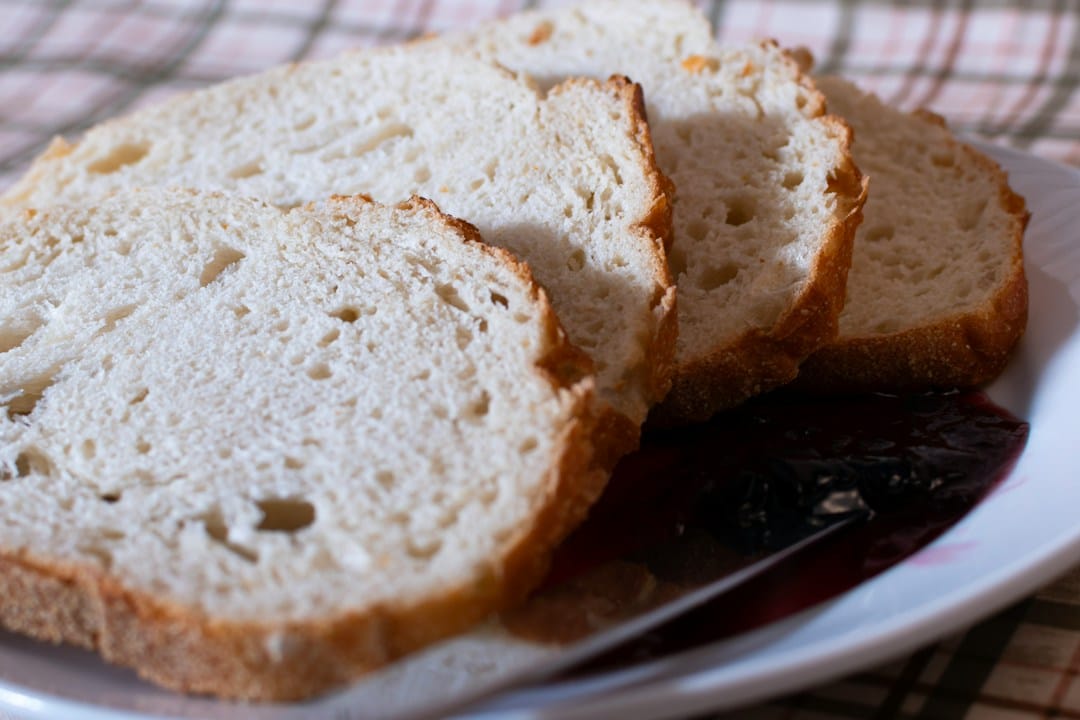
When can you eat bread after wisdom teeth removal?
There is no single day when everyone can safely return to bread. After extraction, oral surgeons generally recommend soft foods that require little chewing during the first few days, then gradually adding more solid foods as healing progresses. Your surgeon’s instructions should take priority because recovery varies by procedure and patient.
For many people, soft bread may be more comfortable after the first few days if pain and swelling are improving and chewing does not irritate the extraction area. Avoid rushing if your mouth is still very sore.
What kind of bread is easier to eat?
- Soft, fresh white or wheat bread without a hard crust.
- Bread that is moist rather than dry or tough.
- Small pieces that require less chewing.
- Bread softened with a suitable soft food when your dental instructions allow it.
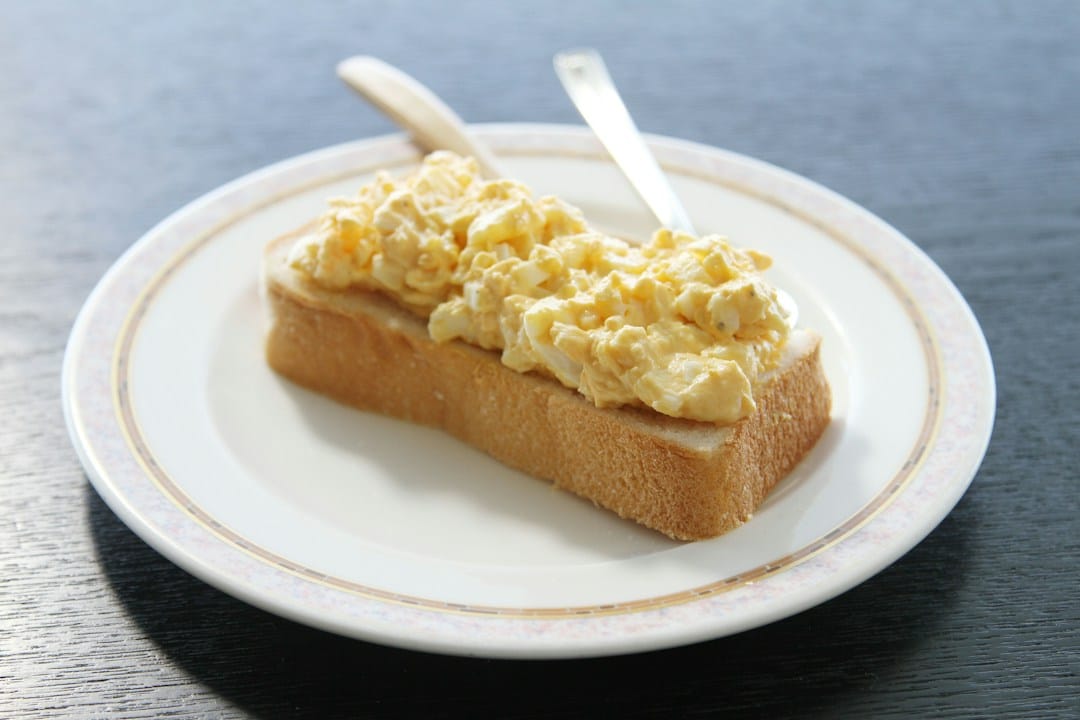
A soft bread meal can be paired with foods that are already comfortable for you, such as soft scrambled eggs. Keep portions small and chew away from the extraction sites when possible.
Can you eat toast after wisdom teeth removal?
Crunchy toast is different from soft bread. Hard or crisp foods can irritate a healing extraction site, and crumbs can be difficult to manage around the area. For that reason, avoid very crisp toast during the early healing period.
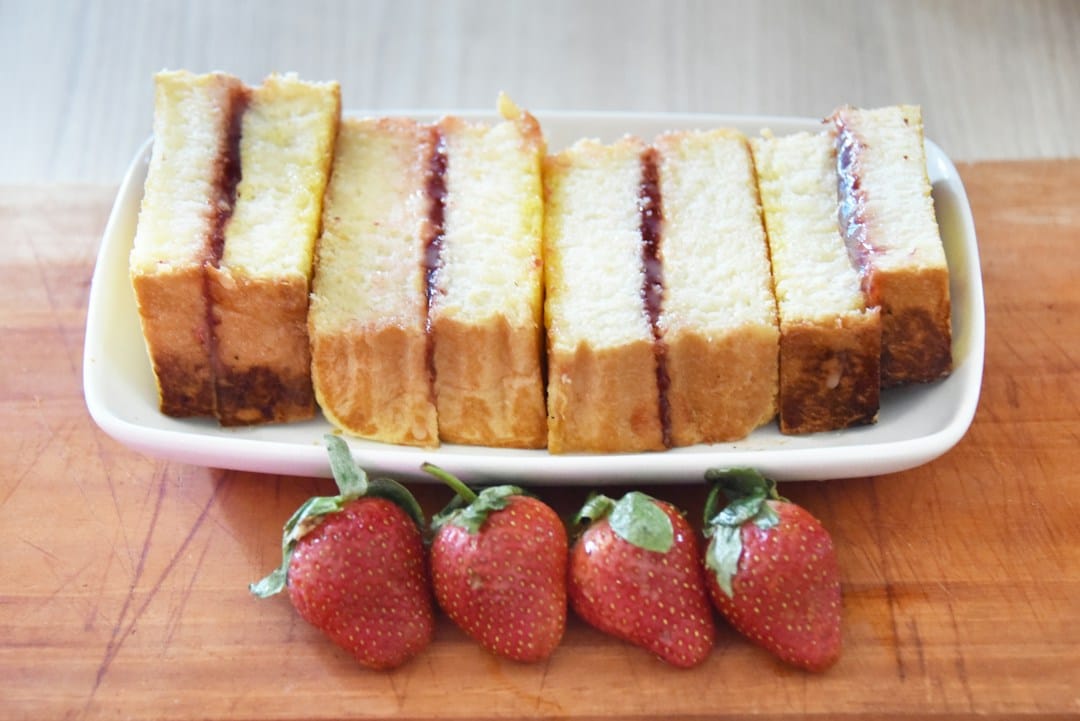
Bread to avoid during early recovery
- Very crusty bread or hard rolls.
- Crunchy toast or heavily toasted bread.
- Chewy bagels and other breads that require prolonged chewing.
- Breads with hard seeds, nuts, or other crunchy pieces.
- Dry bread that breaks into many small crumbs.
The goal is to minimize chewing and avoid hard, crunchy, or difficult-to-chew textures while the extraction sites are healing. AAOMS recommends a soft diet during the early period and gradually introducing solid foods as you feel comfortable.
 Read More: When Can You Eat Meat After Wisdom Teeth Removal?
If bread still feels uncomfortable, stay with softer foods and try again later rather than forcing yourself to chew through pain.
 Read More: When Can You Eat Solid Foods After Wisdom Teeth Removal?
How to eat bread more comfortably
- Choose soft bread rather than crisp or chewy bread.
- Cut it into small pieces.
- Take small bites and chew gently.
- Try to chew away from the extraction sites.
- Stop if chewing causes increasing pain or bleeding.
When should you wait longer?
Wait before adding bread if you still have significant pain, active bleeding, worsening swelling, or difficulty opening your mouth. If pain or swelling is getting worse rather than better, or you develop fever, pus, or persistent bleeding, contact your dentist or oral surgeon.
Bottom line
You may be able to eat soft bread after wisdom teeth removal once your mouth is tolerating more solid foods. Start with soft, moist bread and avoid crusty, crunchy, or chewy varieties early in recovery. Follow your oral surgeon’s specific instructions and advance your diet gradually as your mouth heals.
Sources
- American Association of Oral and Maxillofacial Surgeons (AAOMS): What to Eat After Wisdom Teeth Removal
- AAOMS: Wisdom Tooth Extraction Postoperative Instructions
- Cleveland Clinic: What Can You Eat After Wisdom Teeth Surgery?
Looking for dental care options? Call to discuss the advertised dental service.
Call Now