Wondering if you can eat pasta after wisdom teeth removal? In many cases, very soft, well-cooked pasta can be a reasonable food once you can comfortably swallow and do some gentle chewing. The timing depends on your procedure, healing, pain and your surgeon’s instructions.
Pasta is not automatically safe just because it is soft. Long noodles, firm pasta, hot sauces, spicy ingredients and chewy textures can irritate a healing mouth. The goal is to make the pasta soft, mild and easy to eat.
Quick Answer: Can You Eat Pasta After Wisdom Teeth Removal?
Usually, soft, well-cooked pasta may be introduced after the first few days, when your mouth is tolerating soft foods and you can chew gently without increasing pain. Some people may tolerate it earlier, while others need longer.
Cleveland Clinic lists soft pasta among foods that may work during wisdom teeth recovery and recommends cooking it until very tender. It also advises letting food cool and choosing mild sauces rather than spicy or acidic options.
When Can You Eat Pasta After Wisdom Teeth Removal?
There is no single day that works for everyone. Your oral surgeon’s instructions should take priority, especially if you had a difficult extraction, stitches, bone removal or another procedure.
- First 24 hours: Stick with fluids and very soft or smooth foods according to your surgeon’s instructions. Avoid foods that require chewing.
- Days 2–3: Continue prioritizing soft foods. Pasta may still be uncomfortable if chewing or opening your mouth is painful.
- Days 3–5: Very soft pasta may become easier to tolerate for many people if pain and swelling are improving.
- Days 5–7: You can often expand the texture of foods gradually if your recovery is going well, while still avoiding hard, crunchy or chewy foods.
Recovery varies, so do not force pasta simply because a timeline says you should be ready. If eating it causes increasing pain, bleeding or irritation, stop and return to foods that are easier to tolerate.

How to Make Pasta Safer During Recovery
The texture matters more than the type of pasta. Cook it longer than you normally would so it becomes very tender and requires minimal chewing.
- Cook pasta until very soft rather than al dente.
- Cut long noodles into small, manageable pieces.
- Let the pasta cool to lukewarm before eating.
- Choose smooth, mild sauces.
- Use enough sauce to keep the pasta moist and easy to swallow.
- Take small bites and chew gently away from the extraction sites when possible.
Best Pasta Choices After Wisdom Teeth Removal
Some pasta shapes and preparations are easier to manage than others. Choose options that become very soft when cooked.
- Small pasta shapes: Very soft macaroni or small shells can be easier to manage than long noodles.
- Soft macaroni and cheese: A mild, creamy preparation can work when it is not too hot and the pasta is very tender.
- Very soft noodles: Cut them into shorter pieces and avoid chewy or firm noodles.
- Soft pasta with butter or olive oil: A simple preparation can be easier on a sensitive mouth.
- Soft pasta with a smooth cream sauce: Keep the sauce mild and avoid chunks.
Pasta Sauces to Avoid Early in Recovery
The sauce can make an otherwise soft meal harder to tolerate. During the early recovery period, avoid ingredients that are very spicy, acidic, crunchy or difficult to rinse away.
- Very spicy sauces or hot peppers.
- Chunky sauces containing seeds or hard vegetable pieces.
- Very acidic sauces if they sting the surgical area.
- Crunchy toppings such as toasted breadcrumbs.
- Chewy meat or large pieces of chicken mixed into pasta.
Can You Eat Macaroni and Cheese After Wisdom Teeth Removal?
Soft macaroni and cheese can be a practical option once you are ready for a little chewing. Cook the macaroni until very tender, keep it creamy and let it cool before eating. Avoid crunchy toppings and large chewy pieces of meat.
Can Pasta Get Stuck in the Extraction Socket?
Food debris can collect around a healing extraction site, which is why gentle cleaning matters. Small food particles are particularly worth avoiding early in recovery. Do not dig into the socket with your fingers, toothbrush or other objects.
Follow your surgeon’s instructions about rinsing. Once they tell you gentle salt-water rinsing is appropriate, it can help clear food debris without aggressive swishing.
What If Pasta Hurts When You Eat It?
If pasta causes pain, pressure or irritation, do not push through it. Return to smoother foods and try again later as your mouth improves.
Increasing or severe pain, persistent bleeding, fever, pus, worsening swelling or other concerning symptoms should be discussed with your dentist or oral surgeon.
What Can You Eat Instead of Pasta?
If pasta is still too difficult, there are plenty of soft alternatives that require little chewing.
 Read More: What to Eat After Wisdom Teeth Removal: Complete Food Guide
- Mashed potatoes.
- Yogurt without crunchy add-ins.
- Applesauce.
- Soft scrambled eggs.
- Blended or smooth soups.
- Soft oatmeal.
- Protein shakes taken without a straw.
- Very soft cooked vegetables that are easy to mash.
Bottom Line
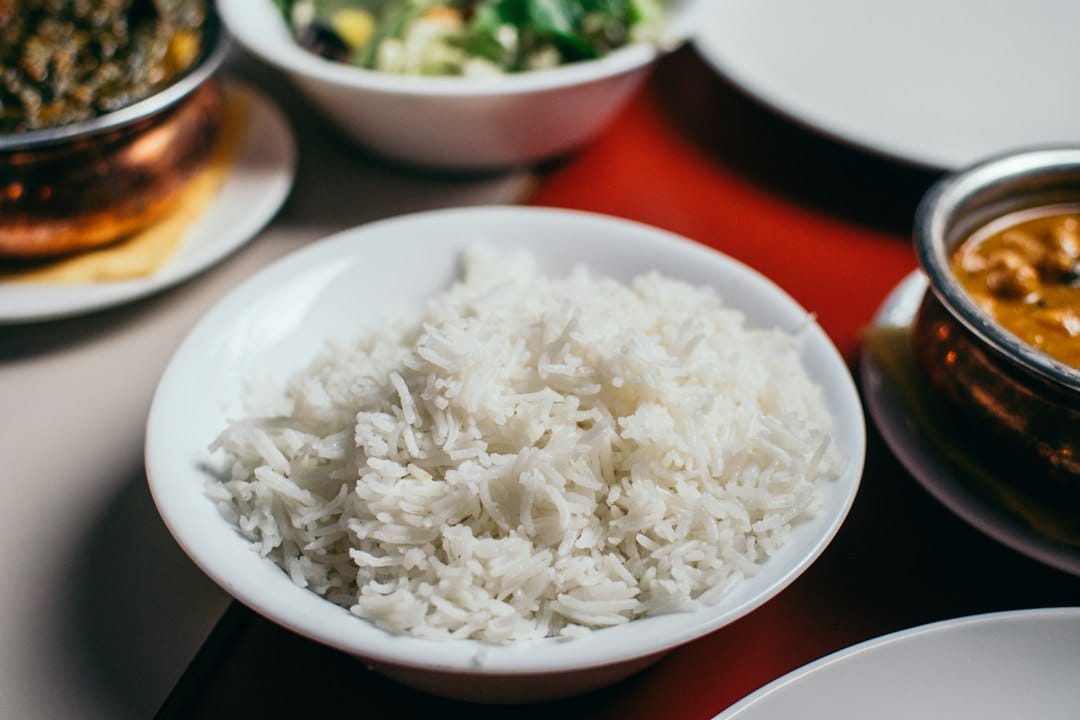
Yes, you can often eat pasta after wisdom teeth removal once your mouth is ready for soft foods and gentle chewing. Cook it until very tender, cut it into manageable pieces, keep it lukewarm and choose mild, smooth sauces. Do not rush it if chewing is still painful, and follow the specific aftercare instructions from your oral surgeon.
Medical disclaimer: This article is for general dental education and does not replace personalized advice from your dentist or oral surgeon.
Sources
- Cleveland Clinic — What Can You Eat After Wisdom Teeth Surgery?
- Cleveland Clinic — What to Eat After Oral Surgery
- Cleveland Clinic — What to Do After Wisdom Teeth Removal
- American Association of Oral and Maxillofacial Surgeons — Wisdom Tooth Surgery
Looking for dental care options? Call to discuss the advertised dental service.
Call Now