Quick answer: Rice can be possible after wisdom teeth removal, but timing and texture matter. Very soft, well-cooked rice may be easier to tolerate once you can comfortably handle soft foods. However, small rice grains can get into an extraction socket, so rice may not be the best choice during the earliest stage of healing. Your oral surgeon’s instructions should take priority.
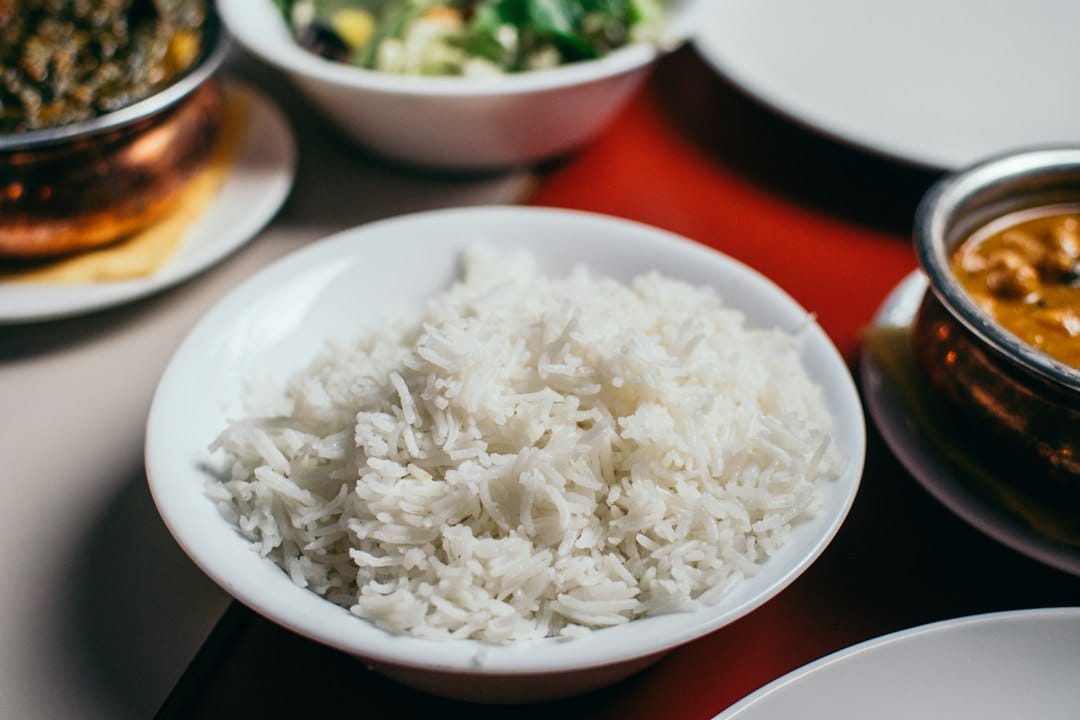
Can You Eat Rice After Wisdom Teeth Removal?
Yes, but rice is usually better introduced after the first very-soft-food stage rather than immediately after surgery. Rice itself is not necessarily hard, but individual grains can be small and may become lodged around an extraction site. Cleveland Clinic’s 2026 guidance specifically lists rice among small foods that can become trapped in extraction sites, while its general oral-surgery guidance also includes cooked rice among foods that can be made soft enough to eat.
That means the practical answer is not simply “yes” or “no.” Consider how recently the teeth were removed, how soft the rice is, whether you can chew comfortably, and whether your surgeon gave you specific dietary instructions.
When Can You Eat Rice After Wisdom Teeth Removal?
For the first few days, oral and maxillofacial surgery guidance generally favors foods that are very soft or liquid and require little chewing. As your mouth becomes more comfortable, you can gradually add semi-solid foods according to your surgeon’s instructions.
- First 24–48 hours: Choose very soft or liquid foods and avoid foods that can irritate or lodge around the surgical site.
- Days 3–5: If healing is going normally, some people can begin trying more substantial soft foods. Rice may still be awkward if individual grains collect near the sockets.
- After several days: If you can chew comfortably and your surgeon has not given you restrictions, very soft rice may be easier to tolerate.
- As healing progresses: Gradually return to your normal diet rather than forcing foods that cause pain or irritation.
Recovery varies between people and procedures, so there is no single day when everyone should start eating rice. Follow the instructions from your oral surgeon if they differ from general guidance.
Why Rice Can Be Tricky After Wisdom Teeth Removal
The main issue with rice is not that cooked rice is necessarily hard. The problem is that individual grains are small and can move into spaces around an extraction site. Cleveland Clinic’s current wisdom-teeth guidance recommends avoiding small foods such as rice during the early recovery period because they can become trapped in the extraction sites.
If rice repeatedly collects around the surgical area, trying to remove it aggressively can also irritate healing tissue. Instead, follow your surgeon’s instructions for cleaning and rinsing. Do not poke the socket with a finger, toothpick or other object.
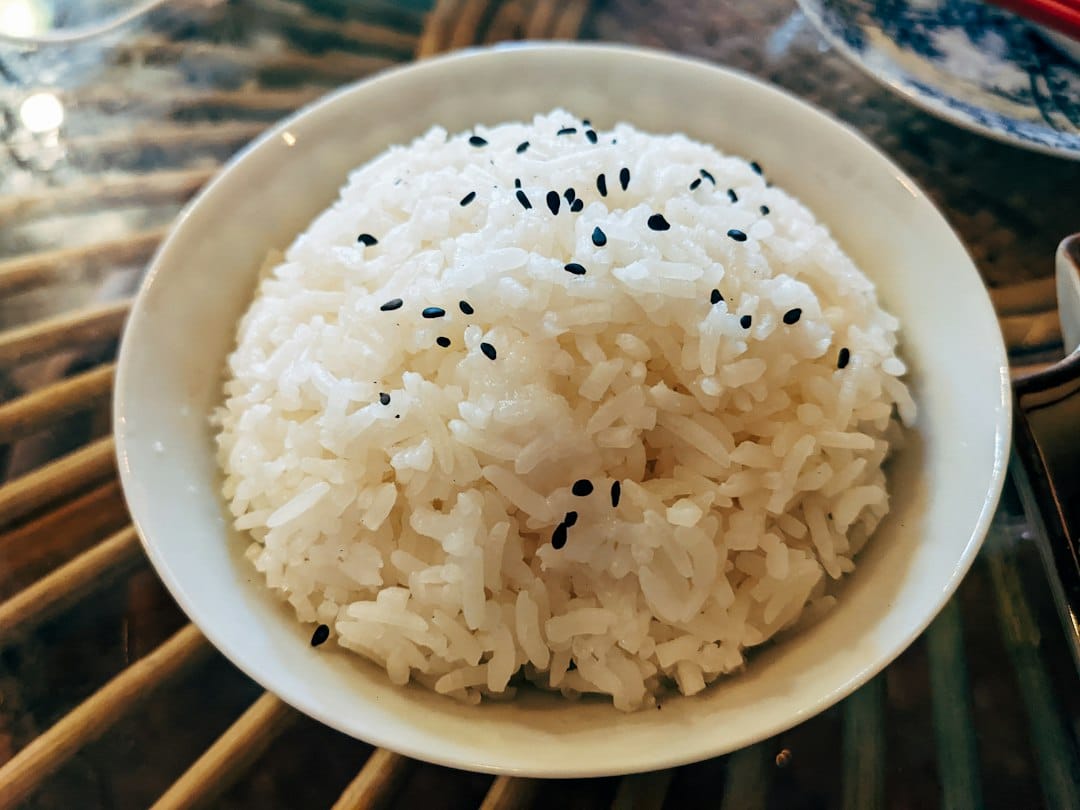
How to Make Rice Safer and Easier to Eat
If you are ready to try rice, focus on texture. The goal is to make the meal soft enough that it requires minimal chewing.
- Cook the rice until it is very soft and tender.
- Add enough broth, gravy or another suitable liquid to prevent a dry, firm texture.
- Let the food cool to a comfortable temperature before eating.
- Take small spoonfuls and chew gently, away from the extraction sites when possible.
- Avoid mixing rice with crunchy ingredients, seeds, nuts or spicy toppings.
- Stop if eating it causes pain, bleeding or significant irritation.
What Kind of Rice Is Best During Recovery?
There is no special type of rice that guarantees safe healing. Texture is more important than the variety. Very soft white rice, rice cooked into a porridge-like consistency, or rice blended into a soft meal may be easier to manage than dry, firm or fried rice.
Soft white rice
Plain rice cooked until very tender can be a reasonable option later in recovery if your surgeon has cleared you for it.
Rice porridge or congee
Cooking rice with extra water or broth until it becomes a smooth, porridge-like consistency reduces the amount of chewing required. Keep additions soft and avoid hard pieces, seeds and spicy ingredients.
Fried rice
Fried rice is generally a poorer early-recovery choice because the rice may be firmer or drier and it often contains vegetables, meat or other pieces that require more chewing. Wait until you can comfortably tolerate more solid foods.
What Should You Avoid Putting in Rice?
- Hard or crunchy vegetables
- Nuts and seeds
- Very spicy sauces
- Crispy fried toppings
- Large, chewy pieces of meat
- Very hot food or liquid
AAOMS recommends a soft diet during the early days after wisdom tooth extraction and advises avoiding hot, spicy, hard, chewy and crunchy foods that can irritate the healing site.
What Can You Eat Instead of Rice?
For more specific guidance on eggs during recovery:
 Read More: Can You Eat Eggs After Wisdom Teeth Removal?
If rice does not feel comfortable yet, you have plenty of other options. Soft foods commonly recommended during recovery include mashed potatoes, yogurt, smoothies, soups, oatmeal, scrambled eggs and very soft pasta.
If you want another protein-rich option that is usually easier to chew, soft scrambled eggs can be a practical choice.
Read More: Can You Eat Eggs After Wisdom Teeth Removal?
As you recover, choose foods based on how comfortably you can chew and swallow them.
 Read More: What to Eat After Wisdom Teeth Removal: Complete Food Guide
Your food choices can change as the extraction sites heal and you gradually tolerate more texture.
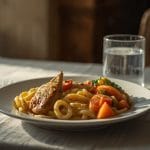 Read More: Wisdom Teeth Recovery Food Timeline: Day 1 to Day 7
Can You Eat Rice on Day 1?
Rice is usually not the first food to choose on the day of surgery. Immediately after extraction, your mouth may be numb and the surgical sites are especially sensitive. Very soft or liquid foods that require little or no chewing are generally easier to manage.
If your oral surgeon specifically tells you that a certain food is appropriate, follow those instructions. Otherwise, save rice for later in recovery when your mouth can tolerate it more comfortably.
Can You Eat Rice After Wisdom Teeth Removal Without Chewing?
It is better not to rely on swallowing large amounts of rice without chewing. Eating should be comfortable and controlled. If you need to avoid chewing, choose foods with a smoother texture, such as yogurt, applesauce, broth-based soups or other foods recommended by your surgical team.
What If Rice Gets Stuck in the Extraction Site?
Do not dig around the socket with a toothpick, fingernail or other object. Follow the rinsing instructions provided by your surgeon. AAOMS notes that gentle warm salt-water rinsing may be recommended after the initial healing period, while vigorous rinsing too early can disturb healing.
When Should You Contact Your Dentist or Oral Surgeon?
Contact your dental professional if you develop symptoms that are worsening rather than gradually improving, especially severe or persistent pain, significant bleeding, increasing swelling, fever or pus/drainage from the surgical site. These symptoms can indicate a complication that needs professional evaluation.
Bottom Line
You can often return to rice as your mouth heals, but it is usually better to wait until you can comfortably handle soft foods and to prepare the rice very soft. Because individual grains can become trapped in extraction sites, rice may not be ideal during the earliest recovery period. Start with smoother foods, advance your diet gradually, and follow your oral surgeon’s specific instructions.
Medical information on this page is for general education and is not a substitute for advice from your dentist, oral surgeon or other qualified healthcare professional.
Sources
- American Association of Oral and Maxillofacial Surgeons (AAOMS): What To Eat After Wisdom Teeth Removal
- AAOMS: Wisdom Tooth Extraction Postoperative Instructions
- Cleveland Clinic: What To Eat After Wisdom Teeth Removal
- Cleveland Clinic: What To Eat After Oral Surgery
Looking for dental care options? Call to discuss the advertised dental service.
Call Now