You can usually brush your other teeth gently on the day of wisdom teeth removal, but keep the toothbrush away from the extraction sites and follow your oral surgeon’s specific instructions. The goal is to keep your mouth clean without disturbing the blood clot that protects the healing socket.
Quick answer
- First 24 hours: Brush other teeth gently if your surgeon allows, but avoid the surgical sites and do not vigorously rinse or spit.
- After 24 hours: Many surgeons advise gentle warm salt-water rinses after meals and careful brushing, but do not scrub the sockets.
- Following days: Gradually resume normal brushing as comfort allows, keeping bristles gentle around the wounds.
For the rest of recovery, see when you can use a straw and what to eat after wisdom teeth removal.
Instructions vary by procedure. If your surgeon gave you different directions, follow those.
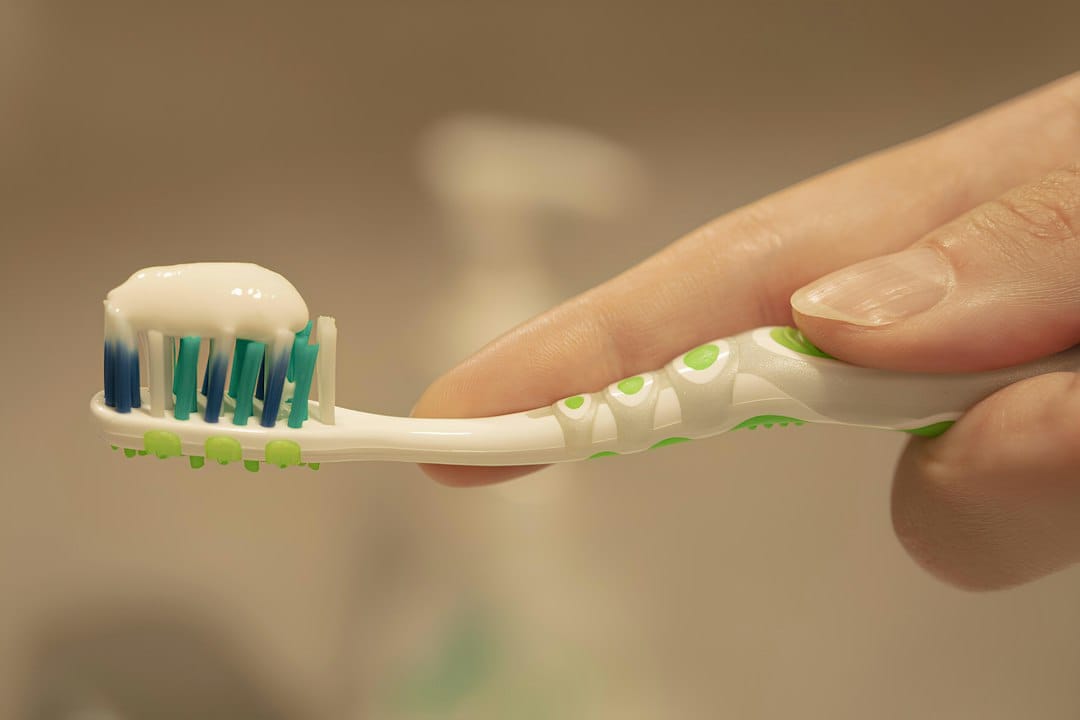
How to brush on the day of surgery
- Use a soft-bristled toothbrush.
- Brush teeth away from the extraction areas slowly and gently.
- Do not brush directly over stitches, sockets, or tender surgical tissue.
- Avoid forceful rinsing, vigorous spitting, or using a water flosser near the wounds.
If you are still numb, be extra careful not to injure your cheek, tongue, or gums. If you had sedation, wait until you are fully alert and follow your discharge instructions.
Brushing after the first 24 hours
Many oral surgeons recommend gentle warm salt-water rinses beginning 24 hours after extraction, particularly after meals. Let the liquid move gently around your mouth and allow it to fall out rather than forcefully spitting. Do not start rinsing earlier unless instructed.
Continue brushing the rest of your teeth with a soft brush. Near the surgical area, use light strokes and avoid touching the socket or pulling at stitches. Do not put fingers, cotton swabs, or other objects into the socket.
When can you brush normally?
There is no single day that applies to everyone. For a more detailed day-by-day timeline, see our guide to when you can brush normally after wisdom teeth removal. As tenderness and swelling improve, you can gradually clean closer to the area without scrubbing the wound. Surgical or impacted extractions may need more cautious care. Ask your surgeon when to resume your usual brushing and flossing pattern around the site.
What about toothpaste and mouthwash?
A small amount of your usual toothpaste is generally fine for brushing other teeth, unless your dental team advises otherwise. Avoid strong or alcohol-containing mouthwash during early healing unless prescribed or specifically recommended. Do not use hydrogen peroxide, undiluted mouth rinses, or other home mixtures on the socket without professional direction.
Can brushing cause dry socket?
Gentle brushing away from the socket is not the same as disturbing the blood clot. Dry socket can occur when the protective clot is lost or breaks down, and risk is influenced by several factors. Avoid vigorous rinsing or spitting, smoking or vaping, straws, and directly poking the socket during the early healing period. Contact your dentist if you develop severe or worsening pain, especially a few days after extraction.
When to call your dentist
Contact your oral surgeon for bleeding that does not stop with the instructed pressure, worsening pain, fever, pus, or swelling that continues to increase. Trouble breathing or swallowing, or rapidly spreading swelling, requires emergency medical care.
Frequently asked questions
Can I brush my teeth the same night?
Often you can gently brush teeth away from the extraction sites, but follow your discharge instructions. Do not scrub the wounds or rinse and spit forcefully.
Should I brush over stitches?
Do not scrub directly over stitches or the wound. Keep nearby teeth clean with gentle strokes and ask your surgeon when direct cleaning is appropriate.
Can I use an electric toothbrush?
A manual soft-bristled brush gives you more control during the early period. Avoid placing a vibrating brush near the surgical site until your surgeon says it is safe.
Bottom line
Keep the rest of your mouth clean, but treat the extraction site gently. Avoid direct scrubbing and vigorous rinsing in the early period, and follow your oral surgeon’s personalized instructions.
Medical disclaimer: This article is for general education and does not replace advice from your dentist or oral surgeon.
Sources
- American Association of Oral and Maxillofacial Surgeons: Postoperative Instructions
- NHS: Wisdom tooth removal recovery
Looking for dental care options? Call to discuss the advertised dental service.
Call Now