After wisdom teeth removal, most people need to start with liquids and very soft foods. You can usually begin moving toward more solid foods as your mouth feels comfortable, but the timing depends on how your extraction sites are healing and what your oral surgeon recommends.
When can you eat solid foods after wisdom teeth removal?
There is no single day when everyone should switch back to a normal diet. Cleveland Clinic notes that many people eat soft foods for the first few days and gradually introduce more solid foods as tolerated. Some wisdom teeth recovery guidance recommends soft foods for about five to seven days, while individual instructions can vary based on the procedure and healing.
A practical approach is to move up in texture gradually: start with foods that need little or no chewing, then try soft solids when chewing feels comfortable and does not increase pain, bleeding, or irritation.
A simple solid-food timeline
Days 0–2: Choose liquids and very soft foods
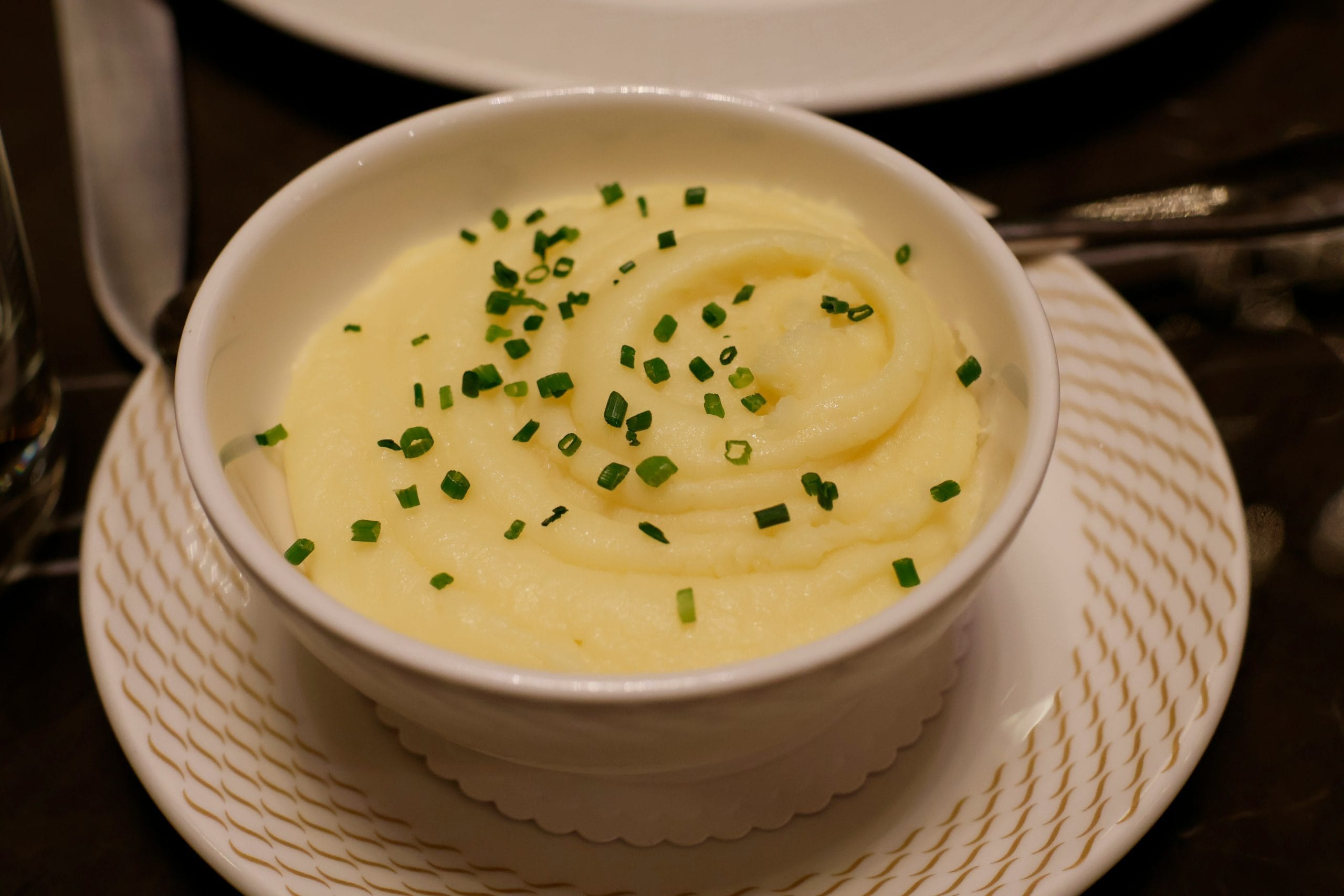
During the first couple of days, focus on foods that are smooth, cool or lukewarm, and easy to swallow. Examples include yogurt, applesauce, smoothies eaten with a spoon, pudding, mashed potatoes, blended soups, and soft scrambled eggs.
Follow your surgeon’s instructions about when to begin eating after anesthesia, and avoid very hot foods while the extraction sites are fresh.
Days 3–5: Try soft solids if comfortable
As soreness and swelling begin to improve, you may be able to add soft foods that require gentle chewing. Options can include very soft pasta, tender cooked vegetables, flaky fish, oatmeal, soft rice when tolerated, and finely shredded or very tender chicken.
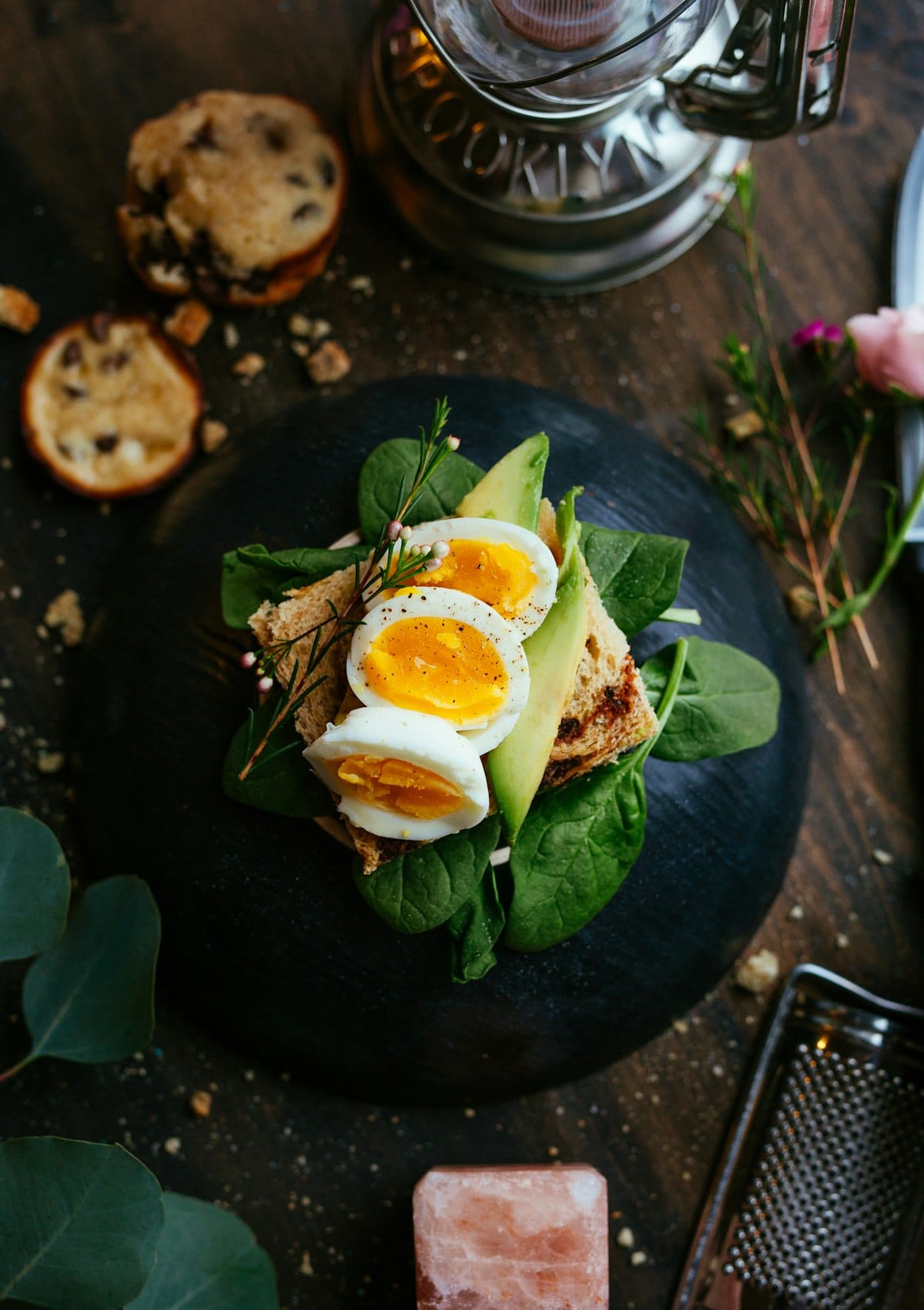
If a food feels difficult to chew, causes pain, or leaves pieces around the extraction site, go back to softer foods and try again later.
Days 5–7 and beyond: Gradually increase texture
Many people can continue adding more normal foods as healing progresses. Keep avoiding anything hard, crunchy, very chewy, spicy, or likely to get trapped in the socket until your mouth has healed enough for those foods.
What solid foods are easiest to start with?
- Soft pasta cooked until tender
- Mashed potatoes
- Soft scrambled eggs
- Oatmeal with a smooth texture
- Tender cooked vegetables
- Flaky fish
- Very tender or finely shredded chicken
- Soft foods that can be mashed or cut into small pieces
The goal is not simply to eat solid food as soon as possible. The goal is to get enough nutrition while protecting the healing extraction sites.
Which solid foods should you avoid?
Avoid foods that are hard, crunchy, chewy, sticky, spicy, or very hot during early recovery. Chips, nuts, crackers, tough meats, popcorn, and foods with small seeds or pieces that can become trapped in an extraction socket can be especially troublesome.
Also avoid using a straw when your surgical instructions tell you to avoid suction, because suction can disturb a blood clot and contribute to dry socket.
How do you know you are ready for solid foods?
- Swelling and soreness are improving rather than getting worse.
- You can open your mouth comfortably enough to eat.
- Soft foods no longer cause significant discomfort.
- Gentle chewing does not trigger new bleeding or increased pain.
- Your oral surgeon has not given you a longer soft-food restriction.
If eating a new food causes pain or irritation, stop and return to a softer option for a while. Healing speed varies, so your surgeon’s instructions should take priority over a general timeline.
When should you contact your dentist or oral surgeon?
Contact your dental professional if pain becomes severe or starts getting worse after initially improving, if you develop significant swelling, fever, pus, persistent bleeding, or difficulty breathing or swallowing. These symptoms need professional evaluation rather than simply changing your diet.
 Read More: Wisdom Teeth Recovery Food Timeline: Day 1 to Day 7
This timeline can help you compare the texture of foods with the stage of recovery you are in.
 Read More: What to Eat After Wisdom Teeth Removal: Complete Food Guide
If you are still choosing mostly soft foods, this guide gives more meal ideas for recovery.
 Read More: Foods to Avoid After Wisdom Teeth Removal: What to Know
As your diet progresses, choose foods based on how comfortably you can chew rather than trying to follow a rigid day-by-day rule.
Bottom line
Most people should return to solid foods gradually rather than on a fixed day. Soft foods are usually the starting point, followed by tender solid foods as pain and swelling improve. If your extraction was complicated or your surgeon gave you specific dietary instructions, follow those instructions even if they differ from a general timeline.
Sources: American Association of Oral and Maxillofacial Surgeons (AAOMS) wisdom tooth surgery guidance; Cleveland Clinic guidance on wisdom teeth recovery and foods after oral surgery.
Looking for dental care options? Call to discuss the advertised dental service.
Call Now