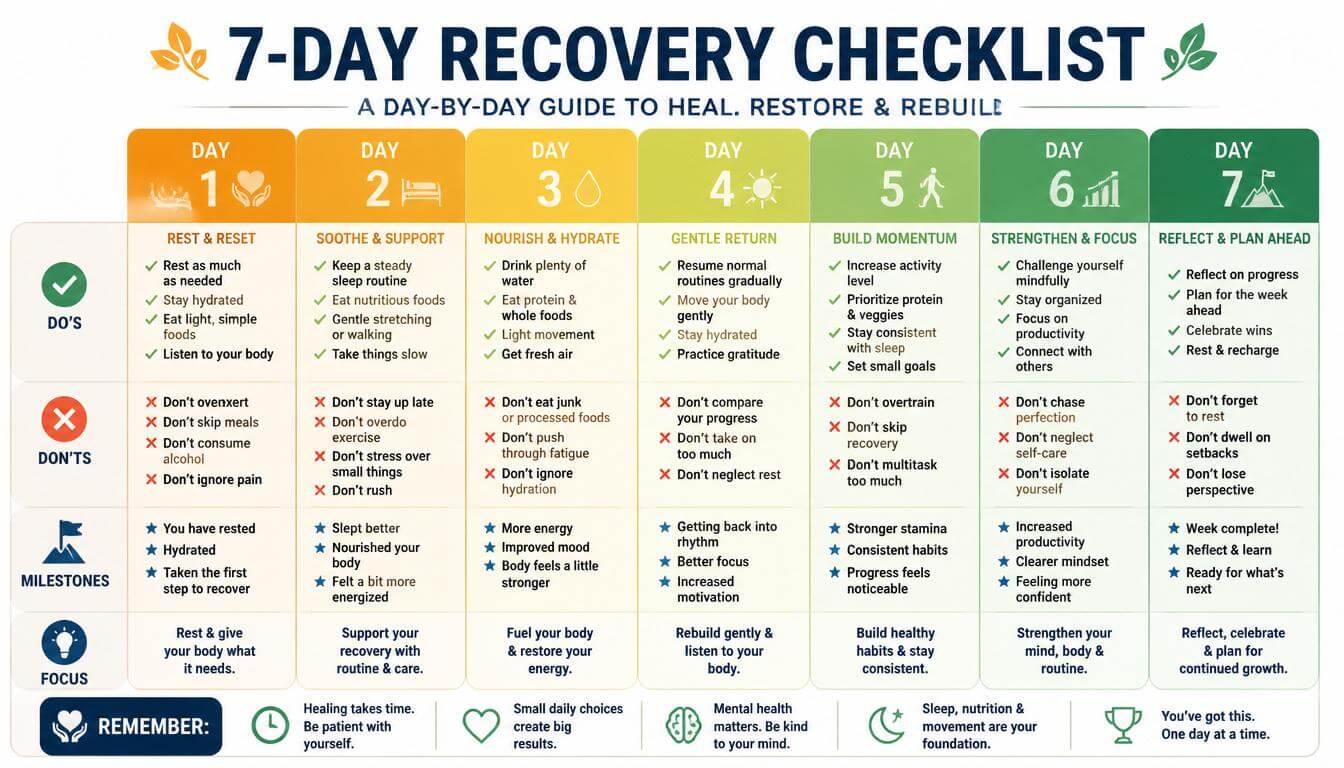
Most people should avoid exercise for at least the first 48 to 72 hours after wisdom teeth removal. Cleveland Clinic advises waiting until your oral surgeon says it is okay because raising your heart rate can increase the risk of pain, bleeding, and swelling. After the first few days, many people can gradually return to light activity, then increase intensity as healing allows. More difficult surgical extractions may require a longer recovery period. If your oral surgeon gave you different instructions, follow those instructions first.
Updated October 5, 2026. This guide is for general education and does not replace personalized post-operative advice.
When Can You Exercise After Wisdom Teeth Removal?
There is no single exercise-restart day that fits every patient. A simple extraction may allow an earlier return to activity, while impacted wisdom teeth, multiple extractions, stitches, significant swelling, or a more involved surgical procedure can make recovery longer. The safest approach is to use your symptoms and your surgeon’s instructions together.
| Recovery time | Typical activity level | What to watch for |
|---|---|---|
| First 24 hours | Rest. Avoid workouts, lifting, running, and strenuous household activity. | Bleeding, swelling, pain, dizziness, and the need to protect the blood clot. |
| 24 to 48 hours | Continue resting. Normal gentle movement around the home is usually more appropriate than exercise. | Any increase in bleeding, throbbing, swelling, or pain after activity. |
| 48 to 72 hours | If recovery is going well and your surgeon allows it, consider a short, easy walk. | Keep intensity low. Stop if symptoms increase. |
| Days 4 to 7 | Gradually add light-to-moderate activity if pain and swelling are clearly improving. | Avoid jumping straight back to heavy lifting or high-intensity training. |
| After about 1 week | Many people can work toward their normal routine, depending on the extraction and symptoms. | Persistent pain, bleeding, or worsening swelling means you may need more recovery time and professional advice. |
This is a practical guide, not a guarantee. Cleveland Clinic notes that many people can resume fitness routines around 48 to 72 hours, while also emphasizing that activity should not be pushed and that heavy lifting can increase the risk of pain, bleeding, and swelling.
Why Should You Avoid Exercise Right After Wisdom Teeth Removal?
Exercise raises your heart rate and blood pressure. In the early hours after an extraction, that extra physical stress can make bleeding, throbbing, and swelling more likely. Your extraction site is also relying on a stable blood clot as the first stage of healing, so the first day is a time for protection rather than testing your limits.
AAOMS recommends taking it easy after wisdom tooth surgery and following the surgeon’s post-surgical instructions. Its patient guidance also emphasizes protecting blood clots and contacting the surgeon if excessive bleeding or other concerning symptoms occur.
You do not need to stay completely motionless for days. The key distinction is between gentle everyday movement and exercise that significantly raises your heart rate, blood pressure, breathing rate, or physical strain.
Can You Walk After Wisdom Teeth Removal?
Gentle walking is usually easier to reintroduce than a workout. During the first day, rest should be the priority. Once you are feeling steady and your dental professional has not given you stricter restrictions, a short, easy walk around your home can be a reasonable first step.
Keep the pace comfortable. Avoid hills, fast walking, long distances, and anything that makes your jaw throb or causes fresh bleeding. If symptoms increase, stop and rest.
Walking should not be treated as a test of fitness. It is simply a low-intensity way to begin returning to normal movement while your mouth continues to heal.
When Can You Run After Wisdom Teeth Removal?
Running is more demanding than casual walking because it raises your heart rate and involves repeated impact. For that reason, it is better to wait until the early bleeding and swelling period has passed and you can tolerate normal daily activity without symptoms getting worse.
For many uncomplicated extractions, a gradual return may begin after several days, but the exact timing depends on how you are healing. If running causes throbbing around the extraction site, renewed bleeding, increased swelling, or significant discomfort, stop and give your body more time.
If your wisdom teeth were impacted or the surgery was extensive, ask your oral surgeon when running is appropriate rather than relying on a generic day count.
When Can You Lift Weights After Wisdom Teeth Removal?
Heavy lifting deserves more caution than light activity. Straining can raise blood pressure and make the surgical area throb. Cleveland Clinic specifically advises avoiding heavy lifting during the early recovery period because it can increase postoperative pain, bleeding, and swelling.
When you return, start below your normal training intensity. Avoid max-effort sets, heavy compound lifts, breath-holding, and exercises that require intense straining. A lighter session is easier to stop if your mouth starts throbbing.
Do not use the fact that you feel energetic as the only signal that you are ready. The extraction socket can still be healing even when you feel almost normal.
When Can You Go to the Gym After Wisdom Teeth Removal?
If your gym routine is mostly light movement, you may be able to return sooner than someone who does heavy resistance training or high-intensity cardio. The first goal is not to complete a normal workout. It is to see whether your body tolerates activity without renewed symptoms.
- Start with a short session rather than your usual workout length.
- Use lighter resistance than normal.
- Avoid exercises that require hard straining or breath-holding.
- Skip high-intensity intervals until your recovery is clearly progressing.
- Stop if you notice throbbing, bleeding, increasing swelling, dizziness, or unusual pain.
If you are taking prescription pain medication that makes you drowsy or affects coordination, do not exercise until you can do so safely and your clinician has cleared the activity.
When Can You Play Sports After Wisdom Teeth Removal?
Contact sports require extra caution because the issue is not only heart rate. A hit to the jaw or face can injure healing tissues. Basketball, football, soccer, hockey, martial arts, boxing, and similar activities should be treated differently from walking or light gym work.
Wait until your oral surgeon says you can safely return, especially after a complicated extraction. When you do return, consider the risk of facial impact as well as the intensity of the sport. Protective equipment may be appropriate depending on the activity.
Exercise After Impacted Wisdom Teeth Removal
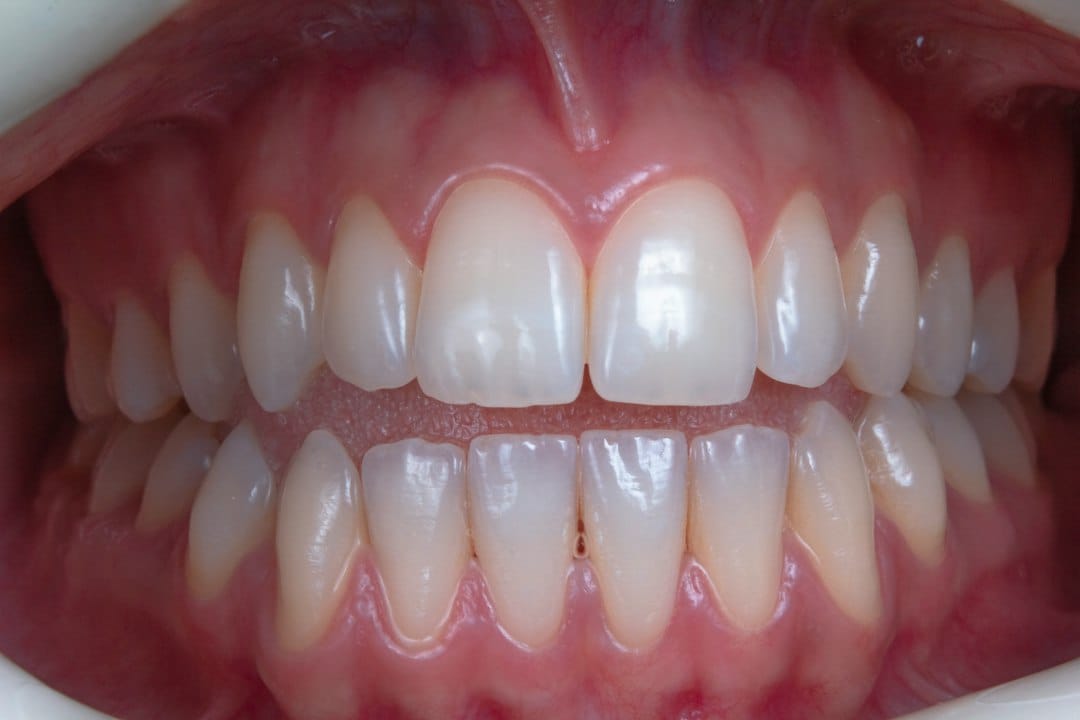
Impacted wisdom teeth often require a more involved surgical extraction than a straightforward erupted tooth. That can mean more swelling, soreness, stitches, and a longer period before strenuous activity feels comfortable.
Do not compare your recovery with a friend who had a simple extraction. Your procedure, number of teeth removed, surgical difficulty, and your own healing response all matter. AAOMS notes that the complexity of wisdom tooth surgery varies with factors such as tooth position and root development, which is one reason recovery instructions can differ between patients.
A Safer Return-to-Exercise Plan
Step 1: Rest first
Give yourself the early recovery period your surgeon recommended. Sleep, hydrate, eat appropriately, and focus on protecting the extraction sites.
Step 2: Test normal movement
Before exercising, make sure ordinary activities such as walking around the house do not increase pain, bleeding, or swelling.
Step 3: Start easy
Begin with gentle walking or another low-intensity activity. Keep the first session shorter and easier than your normal routine.
Step 4: Increase gradually
If you feel fine during the activity and later that day, you can gradually increase duration and intensity. There is no benefit to rushing back to maximum effort.
Step 5: Back off when symptoms return
New throbbing, bleeding, or a noticeable increase in swelling is a reason to stop. Rest and contact your dental professional if symptoms are significant or continue.
How Exercise Fits Into Your Overall Recovery
Exercise is only one part of wisdom teeth recovery. Your first few days also involve protecting the extraction sites, managing swelling, keeping your mouth clean according to your post-operative instructions, staying hydrated, and eating foods that are comfortable to chew.
For a broader recovery timeline, see our wisdom teeth recovery guide. If swelling is making activity uncomfortable, read how to reduce swelling after wisdom teeth removal.
If you are also deciding when you can return to work, read our guide to going back to work after wisdom teeth removal. For nighttime recovery, see when you can sleep normally after wisdom teeth removal.
When Should You Stop Exercising and Call Your Dentist?
Stop exercising and contact your dentist or oral surgeon if activity is followed by bleeding that does not settle, severe or worsening pain, swelling that is getting worse after the early recovery period, fever, pus or foul drainage, or difficulty swallowing or breathing.
Do not try to exercise through symptoms that are clearly getting worse. Cleveland Clinic recommends contacting a healthcare provider for severe pain, persistent bleeding, fever, pus, worsening swelling, or breathing or swallowing difficulty.
FAQs About Exercise After Wisdom Teeth Removal
Can I exercise 2 days after wisdom teeth removal?
Some people may be ready for very light activity around 48 hours, but strenuous exercise is usually not the right first step. If your surgeon allows activity and your symptoms are improving, start gently and stop if pain, swelling, or bleeding increases.
Can I work out 3 days after wisdom teeth removal?
Possibly, if recovery is uncomplicated and your dental professional has cleared you. Start much lighter than normal rather than returning immediately to heavy lifting or high-intensity cardio.
Can exercise cause dry socket?
Exercise is not the only factor involved in dry socket, but strenuous activity can increase bleeding and place extra stress on a fresh extraction site. Follow your surgeon’s restrictions and avoid activities that cause symptoms.
When can I lift heavy weights after wisdom teeth removal?
Heavy lifting should wait until the early healing period has passed and you can exercise without pain, bleeding, or increased swelling. Your oral surgeon may recommend a longer restriction after a complex extraction.
What if exercise makes my wisdom tooth area throb?
Stop the workout and rest. Throbbing can be a sign that the activity is too intense for your current stage of recovery. If the pain is severe, persistent, or accompanied by bleeding or worsening swelling, contact your dental professional.
Bottom Line
For most people, the safest plan is to rest for the first 48 to 72 hours, then return to activity gradually rather than jumping straight back into a full workout. Gentle movement can come before running, heavy lifting, or contact sports. The more complicated the extraction, the more important it is to follow your oral surgeon’s individual timeline.
Medical sources: Cleveland Clinic, Wisdom Teeth Removal: Procedure & Recovery; American Association of Oral and Maxillofacial Surgeons, Wisdom Tooth Surgery.
Disclaimer: This article provides general educational information and is not a substitute for personalized dental or medical advice.
Looking for dental care options? Call to discuss the advertised dental service.
Call Now