Short answer: Many people can begin moving back toward a normal diet within several days after wisdom teeth removal, but there is no single day that is right for everyone. Start with soft foods, then add foods that require more chewing only when your pain, swelling, jaw stiffness, and extraction sites are comfortable. Your dentist or oral surgeon’s instructions should take priority if they gave you a specific diet.
After an extraction, a blood clot forms in the socket and helps protect the underlying tissue while it heals. Eating too aggressively too soon can irritate the area, so the safest approach is to progress based on comfort rather than forcing yourself to eat normally on a fixed schedule.
When Can You Eat Normal Food After Wisdom Teeth Removal?
For many uncomplicated extractions, people can gradually return to more normal foods over the first week as chewing becomes comfortable. Some people are ready for a broader diet after a few days, while others need a week or longer, especially after difficult or impacted wisdom tooth surgery.
The American Association of Oral and Maxillofacial Surgeons recommends a soft diet for the first few days and gradually reintroducing solid foods as you feel comfortable. NHS guidance similarly recommends soft or liquid foods until chewing is more comfortable and advises avoiding hard or crunchy foods that can irritate the wound or become trapped in the socket.
A Practical Timeline for Returning to Normal Food
First 24 hours: Choose liquids and very soft foods
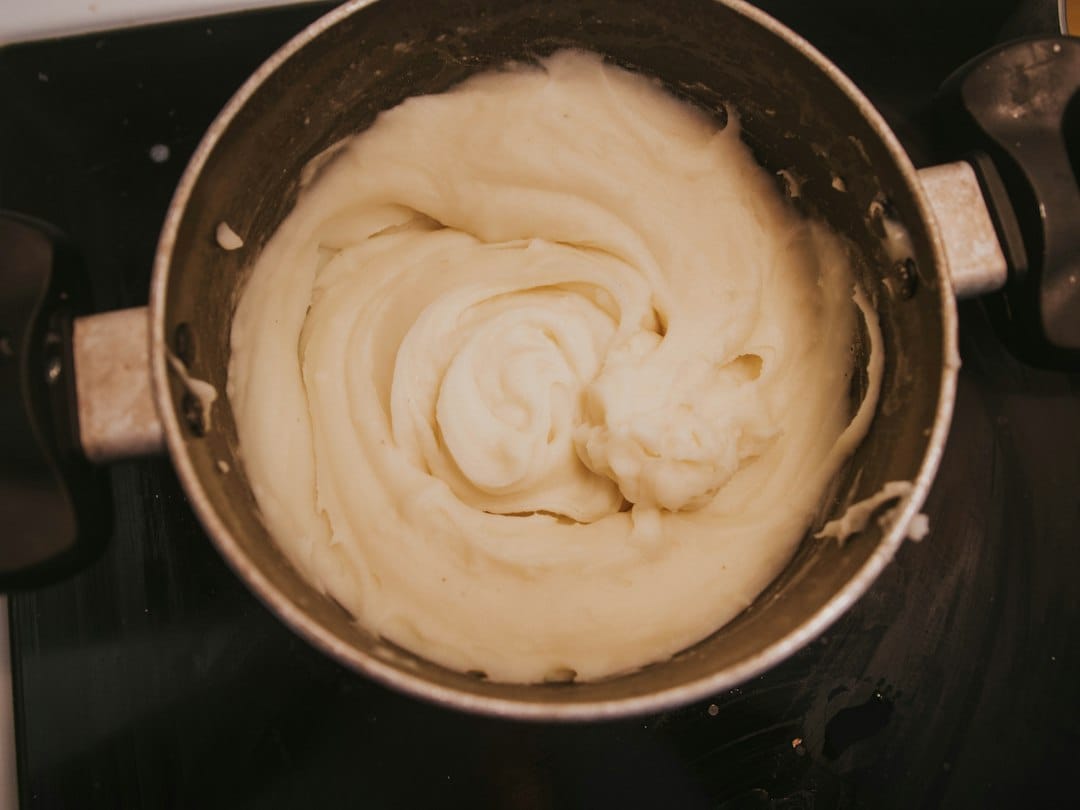
Once your mouth is no longer numb, choose foods that require little or no chewing. Good options can include yogurt, applesauce, smoothies eaten without a straw, mashed potatoes, scrambled eggs, oatmeal, pudding, and lukewarm or cool soft foods that your dental team has approved.
Avoid very hot foods and drinks while you are numb because you can burn your mouth without realizing it. Do not chew directly over the extraction sites.
Days 2–3: Continue soft foods and test gentle chewing
During the next couple of days, soreness and swelling may still make chewing uncomfortable. Continue with soft foods, but you may be able to add foods with a little more texture if they are easy to chew. Examples include soft pasta, tender fish, well-cooked vegetables, soft bread when comfortable, and other foods that do not require forceful chewing.
Days 4–7: Gradually add more solid foods
If pain and swelling are clearly improving and you can open your mouth and chew comfortably, you can gradually introduce more of your usual foods. Cut food into small pieces and chew away from the extraction sites when possible.
This is also the stage when some people can start adding foods such as tender chicken, soft sandwiches, cooked vegetables, and other foods that are not hard, crunchy, sticky, or difficult to chew. If a food causes pain at the socket, stop and try something softer for another day or two.
After about 1 week: Many people are close to a normal diet
By around a week, many people can eat a much wider variety of foods, but healing is still continuing beneath the gum. If chewing is comfortable, you can keep expanding your diet. However, it is still sensible to be cautious with very hard, sharp, sticky, or small foods that can irritate the area or become trapped in a healing socket.
More difficult surgical extractions can take longer. If your surgeon told you to stay on a soft diet for a specific period, follow that instruction rather than this general timeline.
How Do You Know You Are Ready for Normal Food?
Instead of focusing only on the number of days since surgery, look at how your mouth feels. You are generally in a better position to advance your diet when:
- You can chew without significant pain.
- Your jaw opens comfortably enough to eat.
- Swelling is improving rather than getting worse.
- Food does not repeatedly cause bleeding or sharp pain at the socket.
- You can comfortably move food around your mouth without disturbing the extraction area.
Foods to Avoid While You Are Returning to a Normal Diet
Some foods are more likely to cause problems during early healing. Be especially careful with hard, crunchy, sharp, chewy, sticky, or small foods that can irritate the socket or become lodged in it. For a more detailed list of foods to avoid and why, see our foods to avoid after wisdom teeth removal guide.
- Chips and other crunchy snacks
- Nuts and seeds
- Hard or chewy meats
- Very sticky candy
- Foods with sharp edges
- Small foods that can easily collect around the socket
- Very spicy foods if they irritate the surgical area
For the broader day-by-day diet, see our wisdom teeth recovery food timeline. For a complete soft-food list, see our soft foods after wisdom teeth removal guide. You can also read our guides on eating rice after wisdom teeth removal, eating pasta after wisdom teeth removal, when you can eat meat after wisdom teeth removal, and when you can eat spicy food after wisdom teeth removal.
What If Food Gets Into the Wisdom Tooth Socket?
Food can collect near an extraction site while it is healing. Do not dig into the socket with a finger, toothpick, or other object. Follow your dental team’s cleaning instructions. Many oral-surgery instructions recommend gentle warm salt-water rinses beginning about 24 hours after surgery, but your own surgeon’s directions should come first.
Good oral hygiene matters during recovery, but aggressive rinsing or disturbing the clot early on can interfere with healing. The American Association of Oral and Maxillofacial Surgeons advises being careful around the surgical site and gradually returning to solid foods as comfort allows.
When Should You Call Your Dentist or Oral Surgeon?
Eating should generally become easier as recovery progresses. Contact your dental team if you have severe or worsening pain, persistent or heavy bleeding, increasing swelling, fever, a bad taste or discharge, or other symptoms that concern you. These can sometimes indicate a complication that needs professional evaluation.
FAQs About Eating Normal Food After Wisdom Teeth Removal
Can I eat normal food 3 days after wisdom teeth removal?
Some people can start eating a wider range of foods around day 3 if pain and swelling are improving, but a completely normal diet may still be uncomfortable. Start with softer foods and advance gradually.
Can I eat normally 7 days after wisdom teeth removal?
Many people can eat much more normally after about a week, especially after an uncomplicated extraction. You should still avoid foods that hurt, require excessive chewing, or can easily irritate the healing socket.
Can I eat hard or crunchy foods after wisdom teeth removal?
Hard and crunchy foods are best delayed until the extraction sites have healed enough that they no longer cause discomfort and your dental professional has not given you a reason to avoid them. Small sharp pieces can irritate or become trapped in a healing socket.
What should I eat if normal food still hurts?
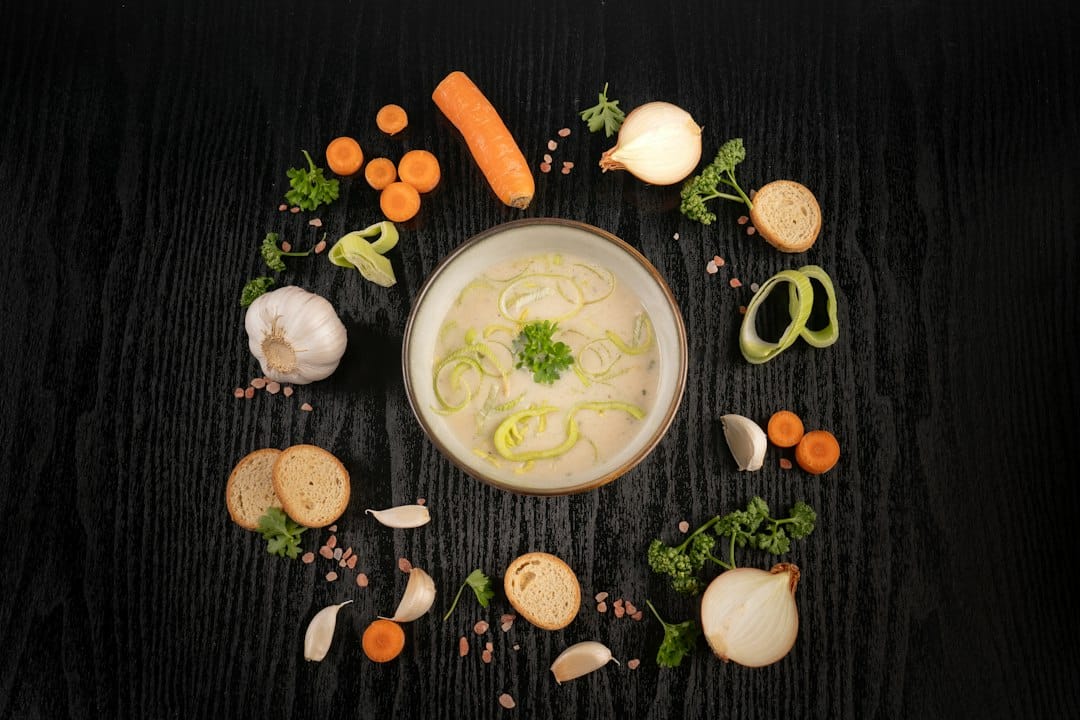
Go back to foods that require less chewing, such as yogurt, mashed potatoes, eggs, oatmeal, soup that is not very hot, smoothies without a straw, and other soft foods. Increase texture again when chewing becomes comfortable.
The Bottom Line
If you are planning ahead for surgery, our wisdom teeth removal grocery list can help you stock the right soft foods before your procedure.
There is no universal day when everyone can safely return to a completely normal diet after wisdom teeth removal. For many people, the transition happens gradually over several days, with a much wider diet possible by about a week. The key is comfort: begin with soft foods, introduce more texture slowly, chew away from the surgical area when possible, and stop if a food causes pain or irritation.
If your extraction was complicated, your surgeon gave you special instructions, or your recovery is not improving, follow your dental professional’s advice rather than a general online timeline.
Sources
- NHS: Wisdom tooth removal
- American Association of Oral and Maxillofacial Surgeons: Wisdom Tooth Extraction Postoperative Instructions
- American Association of Oral and Maxillofacial Surgeons: Wisdom Teeth Healing
Medical information disclaimer: This article is for general educational purposes and is not a substitute for personalized advice from a dentist, oral surgeon, or other qualified healthcare professional.
Looking for dental care options? Call to discuss the advertised dental service.
Call Now