Wisdom teeth anesthesia can last from a few hours to longer, depending on the type used. After local anesthesia, numbness in your lips, tongue, cheek, or gums often fades within about 2–4 hours, although some medicines last longer. IV sedation and general anesthesia affect alertness and coordination for longer, so you must follow your surgeon’s instructions about supervision, driving, and activity.
The key distinction is that local anesthesia causes numbness, while sedation or general anesthesia can cause drowsiness and slower reaction time. You may receive local anesthesia as well as sedation, so your mouth can remain numb after you begin waking up.
For a closer look at the options, read our guide to wisdom teeth removal with sedation.
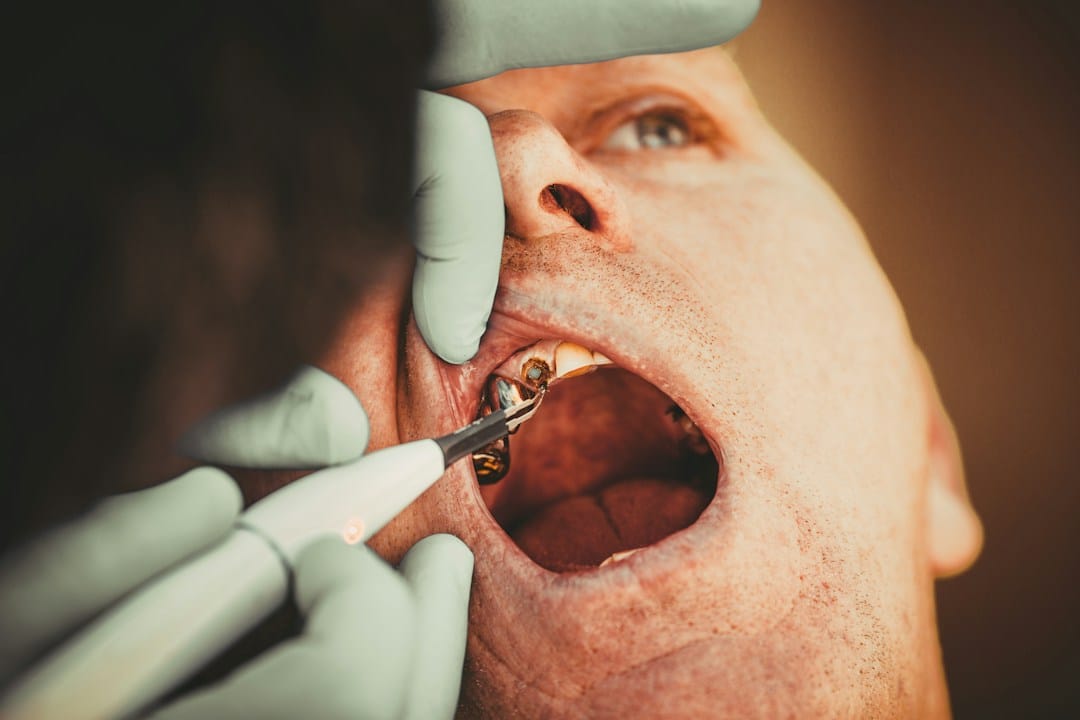
How Long Does Each Type of Wisdom Teeth Anesthesia Last?
| Type | What you may notice afterward | Important safety point |
|---|---|---|
| Local anesthesia | Mouth, lip, cheek, or tongue numbness often lasts around 2–4 hours; duration varies by drug and dose. | Avoid chewing on numb tissue and hot food or drinks until normal sensation returns. |
| IV sedation | Drowsiness, slower coordination, and reduced alertness may continue for hours. | Arrange a responsible adult to take you home and follow your clinic’s no-driving instructions, commonly for at least 24 hours. |
| General anesthesia | Grogginess, nausea, or tiredness can persist after you wake up. | You need an escort and must avoid driving and other restricted activities for the period specified by your care team. |
These are general estimates, not a guarantee. The exact duration depends on the medicine, dose, procedure, and your individual response. Your oral surgeon’s discharge instructions take priority.
1. Local Anesthesia: How Long Will Your Mouth Stay Numb?
Local anesthetic is injected near the wisdom tooth to block pain while you remain awake. Numbness commonly lasts a few hours—often about 2–4 hours after a routine dental extraction—but it can last longer depending on the anesthetic and whether a longer-acting medicine was used.
You may notice tingling as feeling returns. Your lip, cheek, tongue, or gums can remain numb after the procedure is over, and pain may become more noticeable as the anesthetic wears off. Follow your dentist’s plan for pain relief rather than waiting until discomfort becomes severe.
How to protect your mouth while it is numb
- Avoid chewing until normal feeling returns so you do not bite your cheek, lip, or tongue.
- Avoid hot foods and drinks because numb tissue can burn without you noticing.
- Be gentle around the extraction area and follow your written aftercare instructions.
- Do not assume prolonged numbness is harmless if it is not improving as expected; contact your dentist or oral surgeon for advice.
2. IV Sedation: How Long Will You Feel Sleepy?
IV sedation helps you feel relaxed and drowsy during wisdom teeth removal. Some people remember little of the procedure, but sedation is not the same as local anesthesia: local anesthetic is generally also used to numb the surgical area. Although you may feel more awake after a short recovery period, judgment, balance, and reaction time can remain affected for hours.
Arrange for a responsible adult to take you home and stay with you as instructed. Do not drive, cycle in traffic, operate machinery, drink alcohol, or make important decisions until the restriction period given by your care team has passed. Many services advise avoiding driving for at least 24 hours after IV sedation, but follow your own clinic’s directions.
3. General Anesthesia: How Long Until You Feel Normal?
General anesthesia makes you unconscious during the procedure and is used for selected cases. You wake in a recovery area, but tiredness, grogginess, nausea, or slower reactions may continue after you leave the clinic. There is no single time that applies to everyone; the medicines used and your response affect recovery.
You will need an escort and should follow the exact discharge instructions about supervision, food and drink, medicines, and driving. Some oral surgery services advise no driving for 48 hours after general anesthesia, while the instructions for your specific procedure may differ. Do not drive until your care team says it is safe.
Why Does Anesthesia Last Longer for Some People?
The duration can vary for several reasons:
- Medication and dose: Different local anesthetics and sedation medicines have different durations.
- Injection site and technique: The area treated and the way the medicine is delivered can affect how long numbness lasts.
- Additional medicines: Some medicines are combined to extend local numbness or support comfort during surgery.
- Individual response: People metabolize medicines differently, and the procedure itself may affect how they feel afterward.
- Type of anesthesia: Numbness from local anesthesia is different from sleepiness and impaired coordination after sedation or general anesthesia.
When Should You Call Your Dentist About Lingering Numbness?
Contact your dentist or oral surgeon if numbness lasts substantially longer than the time they told you to expect, is not gradually improving, or is accompanied by persistent tingling, burning, or weakness. Lower wisdom tooth surgery can occasionally affect nerves that supply feeling to the lip, chin, or tongue; only your clinician can assess whether ongoing altered sensation needs review.
Seek emergency medical care if you have difficulty breathing, severe swelling of the tongue or throat, or symptoms of a severe allergic reaction. Do not wait for numbness to wear off if these symptoms occur.
Frequently Asked Questions
Can wisdom teeth anesthesia last all day?
Local numbness commonly fades within a few hours, but some longer-acting anesthetics can last longer. Sedation or general anesthesia may affect alertness for much of the day. Follow your discharge instructions and call your clinician if the effects last longer than expected.
Why is my lip still numb hours after wisdom teeth removal?
The local anesthetic may still be active, especially if a longer-acting medicine was used. Avoid biting the lip or eating hot foods while numb. If sensation is not returning as expected or you are concerned, contact your oral surgeon for personalized advice.
Will I feel pain when the anesthesia wears off?
You may begin to feel soreness as the local anesthetic wears off. Follow the pain-management instructions provided by your dentist, including when and how to take recommended medicine. Do not exceed the label or prescribed dose.
Can I drive after wisdom teeth anesthesia?
After local anesthesia alone, driving may be possible if you feel fully alert and your dentist has not restricted it. After IV sedation or general anesthesia, do not drive for the period specified by your care team; you will usually need someone to take you home. Never drive while drowsy or impaired.
When can I eat after wisdom teeth anesthesia?
Wait until you are alert enough and follow the clinic’s instructions. After local anesthesia, avoid chewing while your mouth is numb and avoid hot foods or drinks until sensation returns. After sedation or general anesthesia, follow the specific advice about when to start drinking and eating.
The Bottom Line
Local anesthesia for wisdom teeth removal often leaves the mouth numb for about 2–4 hours, while sedation and general anesthesia can affect alertness and coordination for longer. Protect numb tissue, arrange help after sedation or general anesthesia, and follow your own discharge instructions. Call your dentist if numbness lasts much longer than expected or is accompanied by persistent tingling or weakness.
Trusted Sources
- Mayo Clinic: Wisdom tooth removal
- Cleveland Clinic: Local anesthesia
- NHS inform: Wisdom tooth removal
- American Association of Oral and Maxillofacial Surgeons: Healing after wisdom tooth extractions
This article is for general education and does not replace individualized medical advice from your dentist, oral surgeon, or anesthesia team.
Looking for dental care options? Call to discuss the advertised dental service.
Call Now