Signs of infection after wisdom teeth removal can include worsening pain, swelling that increases after the first few days, fever, pus or fluid draining from the extraction site, and a persistent foul taste or bad breath. Some soreness and swelling are expected after surgery, but symptoms that get worse instead of gradually improving should be checked by your dentist or oral surgeon.
Contact your dentist or oral surgeon promptly if you suspect an infection. Seek emergency medical care if you have trouble breathing or swallowing, or swelling that is rapidly spreading into your neck or floor of your mouth.
For more recovery guidance, read our guides on wisdom teeth pain relief, how long jaw stiffness lasts after removal, and how to clean your mouth after wisdom teeth removal.
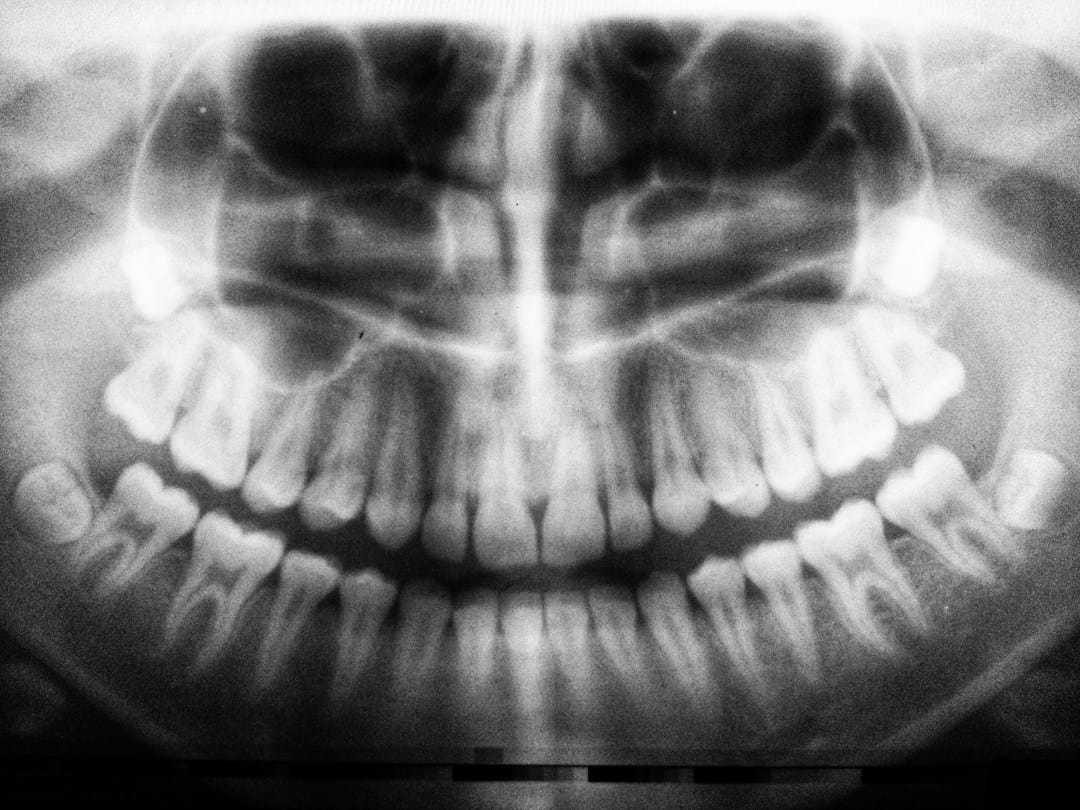
Common Signs of Infection After Wisdom Teeth Removal
1. Pain that gets worse instead of better
Pain is common during the first few days after an extraction. It should generally begin to improve over time. Pain that becomes more intense, returns after improving, or is not controlled by the medication your clinician recommended may indicate an infection or another complication, including dry socket. The symptoms can overlap, so an examination is needed to identify the cause.
2. Swelling that increases after the first few days
Cheek and jaw swelling often increases during the first two to three days after surgery and then starts to settle. Swelling that keeps increasing after this period, becomes hot or red, or spreads toward the neck deserves prompt dental advice. Do not wait for every possible symptom to appear before calling.
3. Fever or feeling generally unwell
A fever, chills, or feeling unusually unwell after surgery can be a sign of infection, particularly when paired with worsening pain or swelling. If you have a temperature of 100.4°F (38°C) or higher, contact your dental team promptly for guidance. Follow any specific temperature threshold and aftercare instructions your surgeon gave you.
4. Pus or unusual drainage from the socket
White or yellow discharge that looks like pus, or fluid that continues to drain from the extraction site, is a reason to contact your dentist. Do not squeeze the gum, probe the socket, or try to drain it yourself. A healing socket can look different from person to person, so have your dental professional assess anything that concerns you.
5. Persistent bad taste or bad breath
A lingering unpleasant taste or smell—especially alongside pain, fever, or discharge—can be associated with infection. A bad taste alone does not prove that an infection is present, and trapped food or dry socket can also cause an unpleasant taste. If gentle rinsing does not help or the symptom persists, contact your dentist.
6. Increasing redness, warmth, or tenderness
Increasing warmth, redness, or tenderness around the jaw or cheek may signal inflammation or infection. Tell your dental team if redness or swelling is spreading, if the area feels increasingly hot or firm, or if you notice tender glands beneath your jaw or in your neck.
7. Difficulty opening your mouth that is getting worse
Jaw stiffness can happen after wisdom teeth surgery, especially during the first several days. However, worsening stiffness combined with fever, increasing swelling, or difficulty swallowing needs prompt assessment. Trouble swallowing saliva or breathing is an emergency.
What Is Normal Healing—and What Is Not?
Some pain, swelling, bruising, and jaw stiffness are expected after wisdom teeth removal. Swelling commonly peaks around days two to three and should then gradually improve. The overall trend matters more than any single symptom.
| Usually part of recovery | Call your dentist or oral surgeon |
|---|---|
| Mild to moderate soreness that gradually improves | Severe pain, pain that worsens, or pain that returns after improving |
| Swelling that peaks in the first few days, then decreases | Swelling that continues to increase or spreads |
| Temporary jaw stiffness that slowly improves | Worsening stiffness with fever, swelling, or swallowing problems |
| A little blood-tinged saliva soon after surgery | Pus-like drainage or bleeding that will not stop |
| A temporary unusual taste immediately after surgery | Persistent foul taste with pain, fever, or discharge |
This comparison is a guide, not a diagnosis. If your symptoms worry you or are getting worse, call your dental team even if you do not have every warning sign listed.
When Do Infections Usually Appear?
An infection can develop at different points during healing. Some symptoms may appear in the first several days, while an infection in the extraction socket can sometimes become noticeable later. There is no single day when infection is guaranteed to appear or ruled out. Watch for worsening symptoms rather than relying only on the number of days since surgery.
What Should You Do If You Suspect an Infection?
- Call your dentist or oral surgeon. Describe when the extraction took place, what symptoms you have, whether they are worsening, and whether you have a fever or drainage.
- Follow your post-operative instructions. Keep your mouth clean as directed. If you have been told it is appropriate, rinse gently with warm salt water; do not rinse forcefully or disturb the socket.
- Take medication only as directed. Use prescribed medicines according to the instructions. Do not take leftover antibiotics or someone else’s medication.
- Do not poke or squeeze the socket. Avoid trying to remove deep debris or drain a swollen area yourself.
- Get urgent help for emergency symptoms. Breathing difficulty, significant trouble swallowing, or rapidly spreading swelling requires emergency assessment.
How Is an Infection After Wisdom Teeth Removal Treated?
Your dentist or oral surgeon will examine the area and decide what treatment is appropriate. Depending on the cause and severity, care may involve cleaning or irrigating the site, draining a collection of pus, and/or prescribing antibiotics. Antibiotics are not necessary for every post-extraction problem, and they cannot replace dental treatment when a collection needs to be drained. Never start or stop a prescribed antibiotic without speaking to the prescriber.
Infection or Dry Socket: How Can You Tell?
Dry socket occurs when the protective blood clot is lost or breaks down, exposing the underlying area. It often causes significant pain a few days after extraction and may cause an unpleasant taste or breath. Infection may be more likely when there is fever, pus, or swelling that is worsening or spreading. These conditions can have overlapping symptoms, so you cannot reliably distinguish them at home. Contact your dentist for an assessment if pain is severe or worsening.
Frequently Asked Questions
How do I know if my wisdom tooth extraction site is infected?
Warning signs include worsening pain, swelling that increases after the first few days, fever, pus or persistent drainage, and a bad taste or smell that does not go away. These symptoms need dental assessment; they do not confirm infection by themselves.
Is swelling normal three days after wisdom teeth removal?
Yes, swelling can be near its peak around the second or third day. It should then gradually improve. Swelling that keeps getting worse, spreads, or occurs with fever or pus should be checked promptly.
Does a bad taste always mean infection?
No. A bad taste can have several causes, including healing debris or dry socket. A persistent foul taste—especially with increasing pain, fever, or drainage—is a reason to call your dentist.
Can an infection go away without antibiotics?
Do not assume a suspected infection will resolve on its own. The right treatment depends on the cause and severity; a dental professional may recommend local treatment, drainage, antibiotics, or a combination. Get assessed rather than self-treating.
When should I go to the emergency room?
Seek emergency medical care if you have trouble breathing, significant difficulty swallowing, or rapidly spreading swelling that affects your neck or the floor of your mouth. Contact your dentist or oral surgeon urgently for fever, pus, worsening pain, or increasing swelling.
The Bottom Line
Some discomfort is expected after wisdom teeth removal, but worsening pain, increasing swelling, fever, pus, or a persistent foul taste should not be ignored. Call your dentist or oral surgeon promptly if you notice these symptoms, and seek emergency care for breathing or swallowing difficulty. Early professional assessment helps identify the cause and the right treatment.
Trusted Sources
- Mayo Clinic: Wisdom tooth removal
- American Association of Oral and Maxillofacial Surgeons: Potential complications of wisdom teeth extractions
- Cleveland Clinic: Wisdom teeth removal
Medical note: This article is for general education and does not replace an examination or personalized advice from your dentist or oral surgeon.
Looking for dental care options? Call to discuss the advertised dental service.
Call Now