Yes, you may be able to eat chicken rice soup after wisdom teeth removal, but timing and texture matter. Choose soup that is lukewarm—not hot—with very tender, finely shredded chicken. Because loose rice grains can get trapped around an extraction site, a smooth broth or blended soup may be a safer choice during the first few days. Follow your dentist or oral surgeon’s specific instructions.
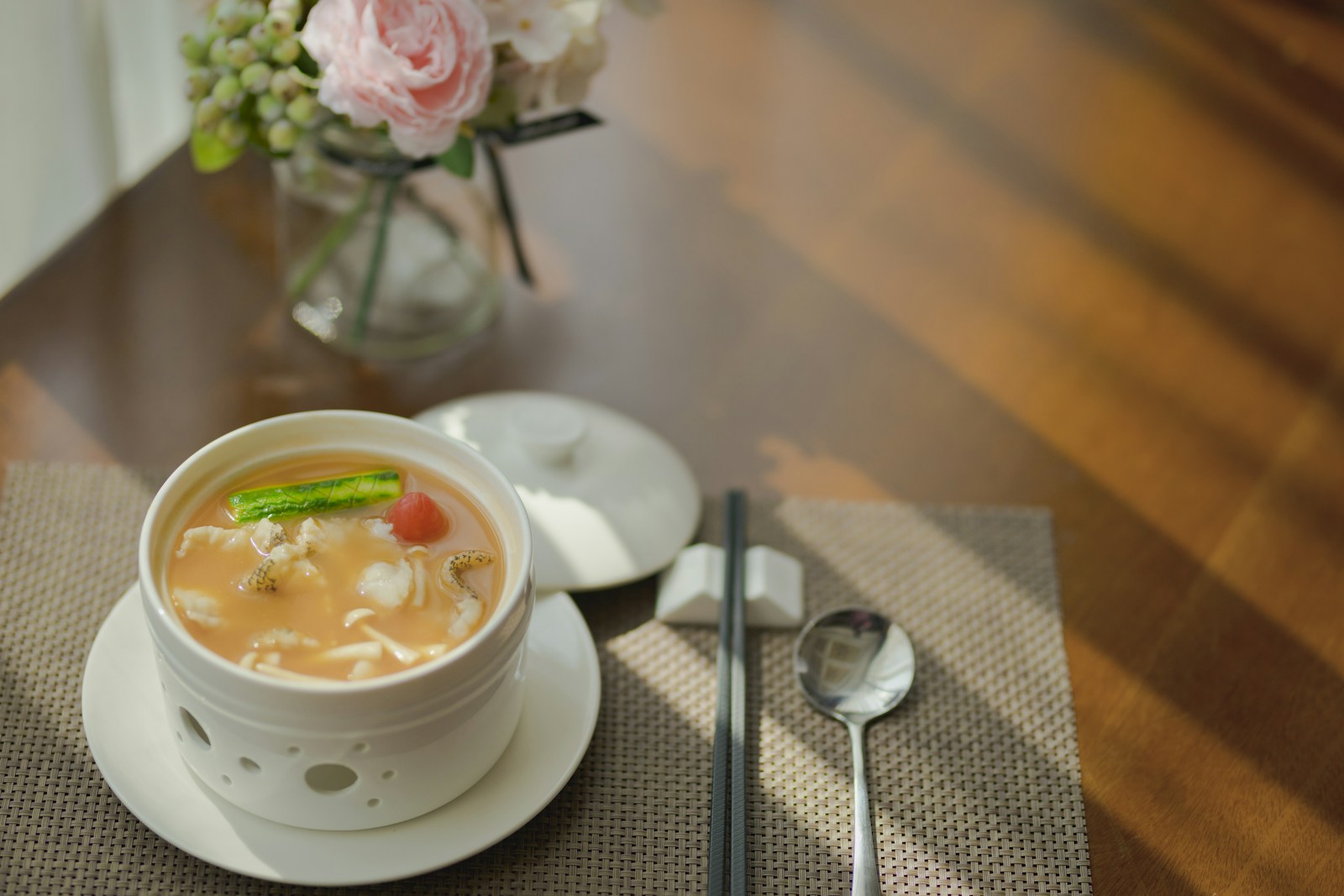
When Can You Eat Chicken Rice Soup After Wisdom Teeth Removal?
There is no single timeline that fits everyone. Your best choice depends on bleeding, soreness, swelling, how difficult the extraction was, and the instructions you received from your oral surgeon.
| Recovery stage | Chicken rice soup guidance |
|---|---|
| First 24 hours | Choose cool or lukewarm, smooth foods as tolerated. Consider plain broth or a fully blended soup rather than loose rice or chicken pieces. |
| Days 2–3 | If bleeding has stopped and you can swallow comfortably, try lukewarm soup with very soft ingredients. Avoid loose grains if they may collect in the sockets. |
| Days 4–7 | You may gradually try more texture as tenderness improves. Keep chicken moist and finely shredded, and stop if chewing hurts. |
| After the first week | Return to your usual texture gradually, based on comfort and your clinician’s advice. Surgical or impacted extractions may need longer. |
This is a general guide, not a guarantee. If your surgeon gave you a different diet schedule, follow that advice first. For a broader overview, see our guide to the wisdom teeth recovery food timeline.
Is Chicken Rice Soup Good After Wisdom Teeth Removal?
It can be a useful meal because broth adds moisture, soft rice can provide energy, and tender chicken supplies protein. However, the soup is only a good choice when its temperature and texture are suitable for your stage of healing.
- Protein: Chicken provides protein, which supports normal tissue repair as part of a balanced diet.
- Moisture: Broth makes the meal easier to swallow when your mouth is sore.
- Energy: Rice provides carbohydrates when you may not feel like eating much.
- Easy to adapt: You can blend the soup or mash very soft ingredients to reduce chewing.
Can Rice Get Stuck in Wisdom Teeth Sockets?
Yes. Small, loose rice grains may collect near an extraction site, especially while the socket is healing. That does not mean you must avoid rice for a fixed number of days, but it is sensible to be cautious early on. Plain broth, smooth soup, mashed potatoes, yogurt, or other soft foods without loose grains may be easier options at first.
Do not poke the socket with your finger, a toothpick, or another object to remove food. For the first 24 hours, avoid vigorous rinsing or spitting unless your clinician tells you otherwise. After the first 24 hours, many post-extraction instructions recommend gently rinsing with warm salt water after meals; let the liquid fall out rather than forcefully spitting. Follow your own surgeon’s instructions, especially if you were given an irrigation syringe or a specific cleaning plan.
How to Make Chicken Rice Soup Safer to Eat
Ingredients
- Low-sodium chicken broth
- Well-cooked, tender chicken, finely shredded or blended
- Very soft rice, blended smooth if appropriate for your recovery stage
- Optional well-cooked carrots, blended until smooth
Preparation and serving steps
- Cook the chicken thoroughly until it is tender and easy to shred.
- Cook the rice until very soft. During early healing, blend the soup until smooth or leave out the rice if loose grains are a concern.
- Blend or mash any vegetables so there are no hard pieces.
- Let the soup cool until lukewarm. Do not eat it steaming hot, as heat may aggravate the area, particularly early on.
- Eat slowly with a spoon and take small mouthfuls. Do not use a straw.
- Stop if chewing or swallowing causes pain, bleeding, or pressure around the extraction sites.
What Should You Avoid Adding?
- Large or chewy chunks of chicken
- Crunchy toppings, croutons, or fried ingredients
- Hard vegetable pieces or undercooked rice
- Very hot broth
- Strongly spicy ingredients if they irritate the surgical area
If you are not ready for soup with pieces, choose options from our guide to soft foods after wisdom teeth removal or review what to eat after wisdom teeth removal.
How to Keep the Extraction Area Clean After Eating
Keep following your written aftercare instructions. In general, avoid disturbing the blood clot, do not brush directly over the socket, and use only the rinsing or irrigation method your clinician recommends. If you think rice is stuck and it will not come away with the gentle cleaning method you were instructed to use, contact your dental office instead of digging into the socket.
When Should You Contact Your Dentist?
Contact your dentist or oral surgeon if pain or swelling is getting worse instead of gradually improving, you develop fever or pus, you have a persistent bad taste with worsening symptoms, or you cannot keep fluids down. Seek urgent care for trouble breathing or swallowing, or bleeding that is heavy or does not stop with the instructions you were given.
Frequently Asked Questions
Can I eat chicken rice soup on the first day?
On the first day, smooth, cool-to-lukewarm foods are generally easier to manage. Consider plain broth or fully blended soup rather than loose rice and chicken pieces, and follow your surgeon’s instructions about when to start eating.
Should chicken rice soup be hot or cold?
Let it cool to lukewarm. Avoid steaming-hot soup during early recovery. It does not need to be ice-cold unless your clinician has advised that.
Can I eat shredded chicken after wisdom teeth removal?
Very tender, finely shredded chicken may be manageable once you can tolerate soft foods, but avoid chewy pieces and do not force yourself to chew if your jaw is sore. Blending it into soup can make the texture easier.
What if rice gets stuck in the socket?
Do not poke the area. Use only the gentle rinse or cleaning method your dental team recommended for your stage of recovery. If the food remains trapped or the area becomes increasingly painful, contact your dentist for advice.
The Bottom Line
Chicken rice soup can be a comforting recovery meal after wisdom teeth removal when it is lukewarm and soft enough to swallow comfortably. Early on, smooth soup or plain broth may be safer than loose rice grains and chicken pieces. Progress gradually, keep the extraction sites undisturbed, and follow your dental team’s instructions.
Looking for dental care options? Call to discuss the advertised dental service.
Call Now