
Updated November 2, 2026
Quick answer
Can wisdom teeth make your teeth crooked or cause shifting? Learn what current evidence says, why teeth move, and when wisdom teeth need dental care.
Can wisdom teeth cause teeth to move? Usually, no. Current evidence does not show that wisdom teeth push the front teeth forward or directly make them crooked. Teeth can shift over time for several reasons, including natural age-related changes, changes in the gums and supporting bone, and movement after orthodontic treatment. Wisdom teeth can still cause problems at the back of the mouth, but front-tooth crowding alone is not a reason to have them removed.
If you have noticed a new gap, overlap, or change in your bite, a dentist or orthodontist can examine your teeth and determine what may be causing it. An X-ray may be useful when the position of an unerupted or impacted wisdom tooth needs to be checked.
Do wisdom teeth make your teeth crooked?
There is no convincing evidence that erupting wisdom teeth routinely push the other teeth forward and cause the front teeth to become crooked. Wisdom teeth are the third molars at the very back of the mouth. Although they may create pressure, soreness, or swelling around the back of the jaw as they emerge, that sensation does not mean they are moving the front teeth.
Dental and orthodontic guidance explains that crowding is usually multifactorial. A 2024 evidence review and patient guidance from public dental services also note that front-tooth crowding can occur whether a person has wisdom teeth, has had them removed, or never developed them. The South Australian Dental Service states that current evidence does not support the idea that wisdom teeth cause crooked front teeth.
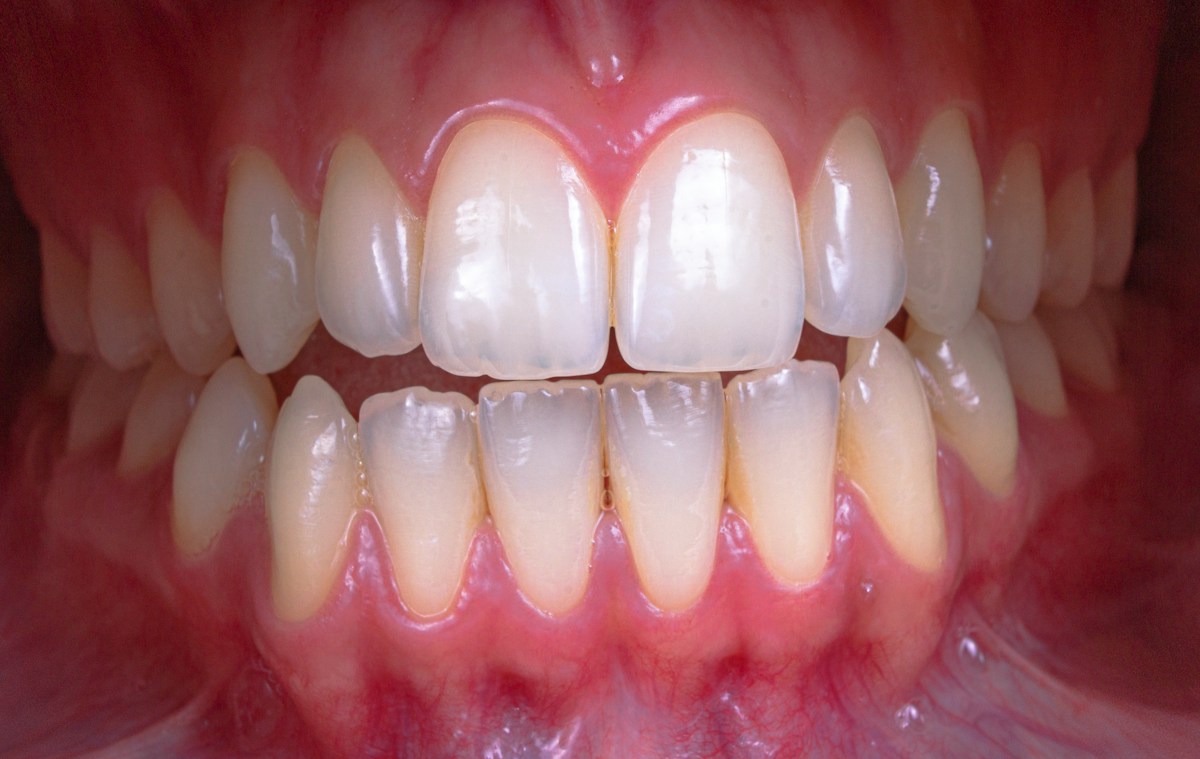
Can wisdom teeth cause teeth to shift?
Wisdom teeth are not considered a proven cause of general tooth shifting or front dental crowding. Researchers have investigated whether pressure from third molars contributes to changes in the lower front teeth, particularly after braces. Findings have been inconsistent, and available systematic reviews have not established that keeping or removing wisdom teeth reliably prevents crowding.
A 2026 systematic review in Clinical Oral Investigations found no statistically significant difference in front-tooth crowding between people who retained their wisdom teeth and those who did not after orthodontic treatment. The authors also noted that the available evidence was limited, so the findings should not be interpreted as proof that wisdom teeth can never affect any nearby tooth.
Why are my teeth moving or becoming crooked?
If your teeth are shifting, another factor may be responsible. Common contributors include:
- Natural changes with age: Teeth can gradually change position throughout adulthood, including crowding of the lower front teeth.
- Orthodontic relapse: Teeth may move after braces or clear aligner treatment, especially if retainers are not worn as instructed.
- Gum disease: Advanced periodontal disease can damage the tissues and bone that support teeth. Teeth may become loose, spread apart, or change position.
- Tooth loss or missing teeth: Nearby teeth may drift or tilt into an open space after a tooth is lost.
- Bite and jaw changes: The way the upper and lower teeth meet, along with jaw growth and individual anatomy, can influence alignment.
- Clenching or grinding: These habits can contribute to tooth wear and other bite-related problems. They should be assessed rather than assumed to be the cause of crowding.
Can impacted wisdom teeth push other teeth out?
An impacted wisdom tooth is one that cannot fully erupt because it is blocked by bone, gum tissue, another tooth, or limited space. It may grow at an angle or remain partly or completely under the gum. This can affect the wisdom tooth itself and sometimes the neighboring second molar, but it does not mean the tooth is pushing the front teeth out of alignment.
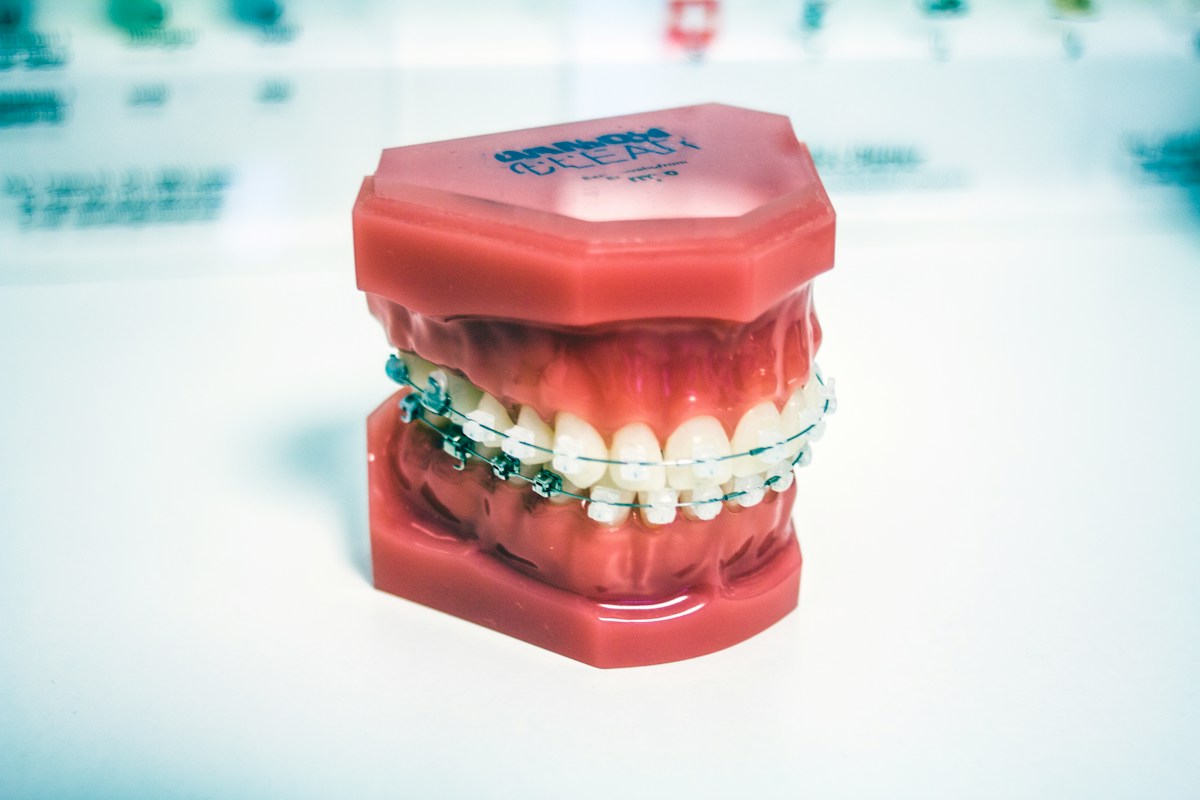
Impacted wisdom teeth can still lead to issues such as pain, gum infection around a partially erupted tooth, food trapping, decay, gum disease affecting the neighboring molar, or a cyst in uncommon cases. Learn more in our guide to impacted wisdom teeth symptoms and treatment.
Does removing wisdom teeth stop teeth from shifting?
Wisdom teeth removal is not a reliable way to prevent or correct front-tooth crowding. If your only concern is that your lower front teeth are becoming crooked, removing healthy wisdom teeth solely for that reason is generally not supported by the evidence.
A dentist or oral surgeon may recommend removal when a wisdom tooth is causing a clear problem, such as repeated infection, decay that cannot be restored, damage to a neighboring tooth, or another diagnosed condition. The decision should be based on an examination, symptoms, dental history, and imaging when appropriate—not on a promise that extraction will keep the front teeth straight. The NHS wisdom tooth removal guidance explains common reasons for removal and notes that wisdom teeth without problems are often monitored.
How can a dentist tell what is causing teeth to move?
Your dentist or orthodontist may:
- Ask when you first noticed the change and whether it is getting worse.
- Check how your teeth fit together and look for new gaps, overlapping, or loose teeth.
- Examine your gums for inflammation, recession, bleeding, or signs of periodontal disease.
- Review your orthodontic history and retainer use, if you previously had braces or aligners.
- Recommend dental X-rays if they need to assess an impacted wisdom tooth, the roots of nearby teeth, or supporting bone.
The appropriate treatment depends on the cause. It may involve periodontal care, replacing a missing tooth, adjusting a retainer plan, or orthodontic treatment. Do not try to push a tooth back into place yourself.
When should you see a dentist?
Arrange a dental appointment if you notice a persistent change in tooth position, a new gap, increasing overlap, a loose tooth, or a change in the way your bite feels. Seek prompt dental advice for wisdom-tooth pain, swelling, bad taste, or difficulty opening your mouth.
Facial or neck swelling that is spreading, fever with worsening dental pain, or difficulty swallowing or breathing needs urgent medical or dental assessment. Difficulty breathing or swallowing is an emergency.
Frequently asked questions
Can wisdom teeth cause your front teeth to move?
There is no convincing evidence that wisdom teeth routinely push the front teeth forward. Front-tooth crowding has several possible causes and can happen even in people who do not have wisdom teeth.
Do wisdom teeth make your teeth crooked after braces?
Wisdom teeth have not been shown to be a dependable cause of orthodontic relapse. Teeth can shift after braces for several reasons, including not wearing retainers as directed and natural changes over time. Ask your orthodontist to check your retainer and alignment.
Can wisdom teeth push other teeth out of place?
Wisdom teeth can be angled or impacted and may affect the neighboring second molar in some cases. However, they are not established as a cause of widespread tooth movement or front-tooth crowding.
If I remove my wisdom teeth, will my teeth become straight again?
No. Extraction does not straighten teeth that have already shifted. If alignment needs correction, an orthodontist can discuss suitable options after examining your bite.
Should I remove wisdom teeth to prevent crooked teeth?
Removal solely to prevent front-tooth crowding is generally not recommended by current evidence. Wisdom teeth should be assessed for their own health risks and monitored or treated based on individual findings.
The bottom line
Wisdom teeth usually do not cause other teeth to move or become crooked. Crowding and shifting are more often related to natural changes, orthodontic relapse, gum disease, tooth loss, and other factors. If your teeth are changing position or your wisdom teeth are painful, arrange an examination so a dental professional can identify the actual cause and recommend appropriate care.