
Updated November 11, 2026
Quick answer
If sushi is one of your favourite foods, the wait after wisdom teeth removal feels longer than it should. The good news is that sushi isn't banned forever — it's just one of those foods that needs real patience. The bad news is that it's not a day-2 food, and it's not even really a …
If sushi is one of your favourite foods, the wait after wisdom teeth removal feels longer than it should. The good news is that sushi isn’t banned forever — it’s just one of those foods that needs real patience. The bad news is that it’s not a day-2 food, and it’s not even really a week-1 food.
The short answer: Wait until weeks 3–4 before eating sushi, and only once the sockets have closed and chewing feels normal. Start with cooked rolls like California rolls or tempura rolls. Raw fish and sashimi should wait the longest, because raw fish carries a higher infection risk while the sockets are still open wounds. When in doubt, wait another week — sushi will still be there.
Why Sushi Is Trickier Than It Looks
Sushi seems soft. It is, mostly. But it’s soft in a complicated way, and every part of it has a small problem in the first weeks:
The rice is sticky. Sushi rice is designed to hold together, which means it clings to your teeth — and to open sockets. Rice grains can lodge in the extraction site, and getting them out without disturbing the clot is a headache you don’t need.
The seaweed is chewy. Nori looks thin and harmless, but it doesn’t break down easily. It sticks to the roof of your mouth and needs real chewing, which is exactly what a stiff, sore jaw can’t do yet.
The fish is often raw. Raw fish carries bacteria that a healthy mouth handles fine, but an open socket is a different story. While the wound is still healing, raw fish is a genuine infection risk.
The extras sting. Wasabi, pickled ginger, and soy sauce are all harsh on raw tissue. Wasabi in particular is a bad idea in the first weeks — the burn on a healing socket is not something you’ll forget quickly.
None of this means you can never eat sushi again. It just means sushi is a week-3-or-4 food, not a week-1 food.
When Can You Eat Sushi? A Simple Timeline
- Days 1–7: No sushi at all. Your jaw barely opens, the sockets are open, and even soft rice is a problem. Stick to the foods on your recovery timeline.
- Week 2: Still no sushi. The sockets are closing but not closed. If you’re desperate for the flavour, a small bowl of plain rice with a little soy sauce is a safer way to scratch the itch — but skip the raw fish and the seaweed.
- Weeks 3–4: This is when sushi comes back — if the sockets have closed and chewing feels normal. Start with cooked rolls (California roll, tempura shrimp roll, cooked salmon roll). Eat slowly, chew on the opposite side from the extraction sites, and cut the roll into smaller pieces first.
- Week 4 and beyond: Raw fish and sashimi are usually fine now, once healing is complete and your dentist is happy with how things look. If you’re still feeling twinges when you chew, give it another week.
Healing speed varies. Surgical or impacted extractions need more caution than simple ones, and if your jaw still barely opens at week 3, wait — the sushi isn’t going anywhere.
Which Sushi Is Safest to Try First?
When the time comes, not all sushi is equal. Here’s the order that makes sense:
Safest first: cooked rolls. California rolls (crab, avocado, cucumber), tempura shrimp rolls, and cooked salmon rolls are the best starting point. The fish is cooked, the filling is soft, and there’s no raw-fish risk. Ask the restaurant to cut the roll into smaller pieces — or cut it yourself at home.
Next: vegetarian rolls. Avocado rolls, cucumber rolls, and sweet potato rolls are gentle and easy to chew. The only thing to watch is the seaweed — if the nori feels tough, you can ask for a naruto-style roll (wrapped in cucumber instead of seaweed) or a rice-paper roll.
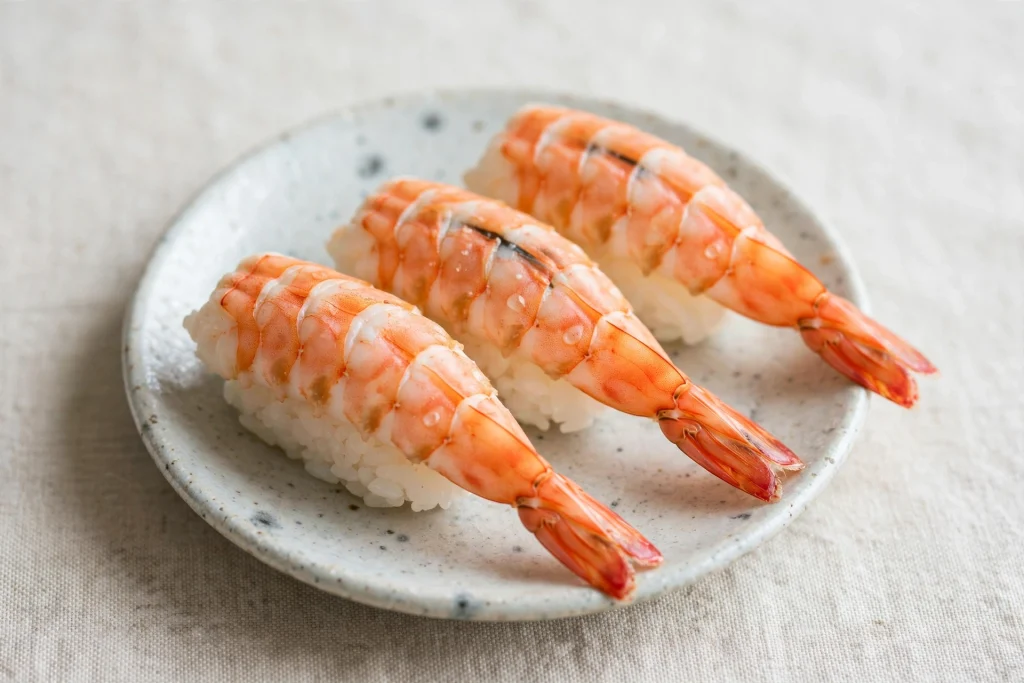
Then: nigiri with cooked toppings. Cooked shrimp nigiri or cooked eel (unagi) nigiri is a good middle step. The fish sits on top of a small mound of rice, so it’s easy to eat in small bites.
Last: raw fish and sashimi. Raw salmon, raw tuna, and sashimi should be the very last thing you reintroduce. Wait until the sockets are fully closed and your dentist has confirmed healing is complete. The infection risk is small but real, and it’s not worth rushing.
A Few Practical Tips for Your First Sushi After Surgery
- Eat at home or order takeaway. Your first sushi after surgery isn’t the time for a fancy omakase. Order a small set, eat slowly, and stop if anything hurts.
- Cut everything smaller. Even a normal maki roll is a big bite for a healing jaw. Cut rolls in half before eating.
- Skip the wasabi and pickled ginger for now. Both sting healing tissue. A little soy sauce is fine — just don’t drown the roll in it.
- Rinse gently afterwards. A gentle rinse with warm salt water after eating helps clear any rice grains from around the sockets. Don’t spit forcefully — just let the water fall out of your mouth.
- Don’t eat sushi if the socket still looks open. If you can still see a hole where the tooth was, the wound isn’t ready for raw fish. Wait.
What About the Fish Itself?
If you’re craving fish sooner, you don’t have to wait for sushi. Soft, cooked fish is one of the best recovery foods — flaky white fish like cod or tilapia is usually safe from day 2–3, and salmon from around the same time. For the full picture, see our guide to eating fish after wisdom teeth removal.
Frequently Asked Questions
Q: Can I eat sushi 2 weeks after wisdom teeth removal?
It’s best to wait until weeks 3–4. At 2 weeks the sockets are closing but usually not fully closed, and raw fish carries an infection risk while the wound is still open. If you’re really craving the flavour, a small bowl of plain rice with soy sauce is safer — but skip the raw fish and seaweed.
Q: Can I eat cooked sushi after wisdom teeth removal?
Cooked rolls like California rolls and tempura rolls are the safest sushi to try first, from around weeks 3–4, once the sockets have closed and chewing feels normal. Raw fish should wait longer than cooked rolls.
Q: Is sashimi safe after wisdom teeth removal?
Sashimi is raw fish, so it should be the last thing you reintroduce — usually week 4 or later, once healing is complete. The infection risk is small but real while the sockets are open. Ask your dentist if you’re unsure.
Q: Can I eat a California roll after wisdom teeth removal?
Yes — a California roll is one of the best first sushi choices, from weeks 3–4. The crab is cooked, the avocado and cucumber are soft, and there’s no raw fish. Cut it into smaller pieces and chew on the opposite side from the extraction sites.
Q: What happens if I eat sushi too soon after wisdom teeth removal?
The main risks are food getting stuck in the socket, irritation from wasabi or soy sauce, and a small infection risk from raw fish. If you ate sushi early and feel pain, swelling, or a bad taste, rinse gently with warm salt water and contact your dentist if it doesn’t settle.
Q: Can I eat seaweed after wisdom teeth removal?
Seaweed is chewy and sticky, so it’s best to avoid nori in the first 2–3 weeks. After that, small amounts in sushi are fine once chewing feels normal. If the nori feels tough, try a cucumber-wrapped roll instead.
Bottom Line
Sushi isn’t banned — it’s just a latecomer. Wait until weeks 3–4, start with cooked rolls, and save the raw fish for when healing is complete. Cut everything smaller, skip the wasabi for now, and rinse gently afterwards. Your favourite sushi spot will still be there when you’re ready.