
Updated November 15, 2026
Quick answer
The Short Answer: Yes — With a Few Changes Yes, you can eat mac and cheese after wisdom teeth removal, and for a lot of people it becomes the first proper comfort food of recovery. It is warm, soft, creamy, filling, and it actually tastes like something — which matters a lot when you have …
The Short Answer: Yes — With a Few Changes
Yes, you can eat mac and cheese after wisdom teeth removal, and for a lot of people it becomes the first proper comfort food of recovery. It is warm, soft, creamy, filling, and it actually tastes like something — which matters a lot when you have spent two days on broth and smoothies.
But there is a catch. Not all mac and cheese is equal. A bowl of overcooked elbow pasta drowned in smooth cheese sauce is a perfect recovery food. A baked mac and cheese with a crunchy breadcrumb topping is exactly what your healing sockets do not need. The difference is all in how you make it, how soft the pasta is, and what you put on top.
The short version: wait until around day three or four, cook the pasta until it is very soft, keep the sauce smooth and creamy, eat it lukewarm, and skip anything crunchy. Do that, and mac and cheese can carry you happily through the rest of the first week.
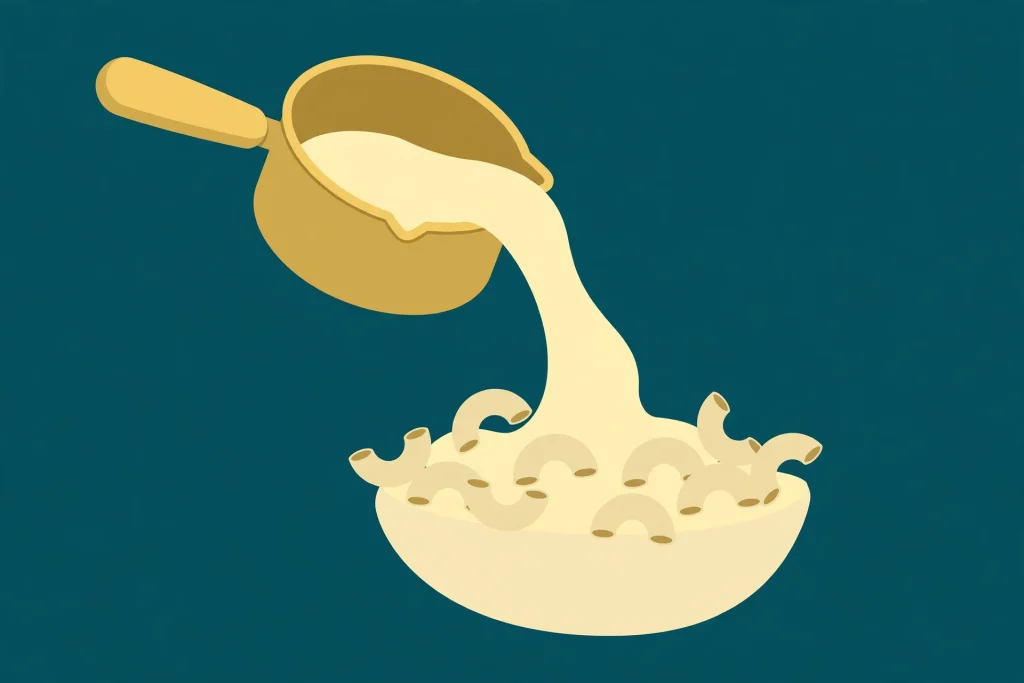
Day by Day: When Mac and Cheese Fits In
Day 1–2: Not yet
The first 24 to 48 hours are for liquids and very smooth foods — broth, smoothies, yoghurt, anything you can swallow without chewing. Mac and cheese needs chewing, even when the pasta is soft, and your jaw is at its stiffest right now. If you are desperate for something cheesy, a spoonful of smooth cream cheese stirred into soup can scratch the itch. Our guide to can you eat cheese after wisdom teeth removal explains which cheeses are safe early on.
Day 3–4: Your first small bowl
Around day three or four, most people can manage very soft mac and cheese. Cook the pasta two or three minutes longer than the packet says, until it is almost falling apart. Drain it well, stir in a smooth cheese sauce, and let it cool until lukewarm — not steaming hot, which can sting a socket. Eat a small portion first, slowly, and see how it feels. If chewing is comfortable and nothing gets stuck, you can have a proper serving. If it hurts, wait another day and try again.
Day 5–7: Comfort food, properly
By the end of the first week, mac and cheese should feel easy. Your jaw will have loosened up and the swelling will be going down. You can add soft extras — well-cooked peas, soft steamed broccoli florets, or a little shredded chicken cooked until it falls apart. If you are reheating leftovers, add a splash of milk, because reheated mac and cheese can go stiff and dry.
Week 2 and beyond: Back to normal
From the second week, most people can eat mac and cheese however they like it, including baked versions with a light topping. If your sockets still feel tender, keep the crunchy toppings off for a few more days. For the bigger picture, our wisdom teeth recovery food timeline lays out the full day-by-day plan.
How to Make It Recovery-Friendly
Start with small pasta shapes. Elbow macaroni is the classic choice — the pieces are small, they cook quickly, and they are easy to eat with a spoon. Small shells work well too. Avoid large shapes like rigatoni or penne in the first week, because they need more chewing.
Cook the pasta longer than usual. The packet might say eight minutes; go for ten or eleven. You want the pasta soft all the way through, with no firm bite in the middle. Drain it, but do not rinse it — the starch on the surface helps the sauce cling.
Make the sauce smooth: butter, a spoonful of flour, warm milk, and grated mild cheddar. Stir over low heat until completely smooth and glossy. Avoid sauces with unmelted chunks of cheese, because a rubbery lump is surprisingly hard to chew with a sore jaw.
Keep it lukewarm. Let the finished dish sit for five minutes before eating. Hot cheese sauce can sting, and it also makes the pasta seem firmer than it is. Eat it with a spoon, not a fork — a spoon lets you take small, manageable mouthfuls.
Boxed vs Homemade: Which Is Better Right Now?
Both can work, and during recovery the easier option is often the right one. You are tired, sore, and probably not in the mood to cook from scratch. There is no shame in a box.
Boxed mac and cheese is quick and predictable — you can be eating within fifteen minutes. The sauce can be thinner and saltier than homemade, so cook the pasta extra soft, add a little extra milk or a spoonful of cream cheese to make the sauce richer, and go easy on the salt.
Homemade takes more effort, but you control the softness, the sauce, the salt, and the cheese. Mild cheddar, Monterey Jack, or a soft processed cheese all melt smoothly. Sharp aged cheddar can be grainy, so save that for later. If you have the energy, homemade is the better meal — if not, a box with a few tweaks is fine.
Either way, skip the baked version for now. Baked mac and cheese, with its crispy top and firmer pasta, is a week-two food. The stovetop version, soft and saucy straight from the pan, is what you want this week.
Toppings: What to Avoid and What Is Safe
Toppings are where a good recovery meal can quietly turn into a bad one. Avoid for now: breadcrumbs, crushed crackers, toasted nuts, crispy bacon bits, raw onion, and anything crunchy or sharp. These are hard, scratchy, or likely to leave crumbs near a socket. Even a small amount of breadcrumb topping can cause discomfort, and it is very hard to rinse out of a healing socket. Save these for week two or later.
Safe to add from day five: soft steamed peas, well-cooked broccoli florets cut small, a spoonful of smooth tomato sauce, or some very soft shredded chicken. These add flavour and variety without adding crunch. A little extra melted cheese on top is fine too, as long as it is fully melted and smooth.
Hot sauce surprises people: it is a liquid, but spicy sauce can sting healing tissue. Give it a few days. A little black pepper is usually fine, but chilli heat is best avoided until your sockets feel settled.
FAQs
Can I eat mac and cheese two days after wisdom teeth removal?
Most people should wait until day three or four. On day two, your jaw is still very stiff and the pasta will ask too much of it, even cooked soft. If you are healing quickly, a very small portion of very soft mac and cheese on day three is usually fine. Listen to your mouth and do not rush it.
Is boxed mac and cheese okay after wisdom teeth removal?
Yes. Boxed mac and cheese is fine as long as you cook the pasta until it is very soft and make the sauce smooth and creamy. Add a splash of extra milk or a spoonful of cream cheese to make it richer, and let it cool to lukewarm before eating. Skip any crispy topping.
Can mac and cheese get stuck in the socket?
Small pieces of pasta can get caught near a socket, especially if the pasta is firm or undercooked. Cooking it until it is very soft makes this much less likely, because soft pasta breaks apart easily. If food does get stuck, rinse gently with warm salt water. Do not poke at the socket.
What cheese is best for mac and cheese during recovery?
Mild cheddar, Monterey Jack, and soft processed cheese all melt smoothly and are easy to eat. Avoid hard aged cheeses that melt unevenly or leave grainy lumps, and skip cheeses with added bits like peppercorns. Keep the sauce smooth and lump-free.
Can I eat baked mac and cheese after wisdom teeth removal?
Not in the first week. Baked mac and cheese has a crispy top and firmer pasta, both of which are too much for a healing mouth. Wait until the second week, when chewing feels comfortable, and even then, go easy on the crunchy topping if your sockets still feel tender.
Is mac and cheese good for healing?
It is a decent recovery food: calories and some protein from the cheese and milk, soft and easy to eat. It is not a complete meal on its own, so balance it across the day with other soft foods like eggs, yoghurt, and soups.