
Updated November 18, 2026
Quick answer
Good news: cheesecake is one of the more recovery-friendly desserts out there. It is soft, cool, creamy, and it does not need much chewing — exactly what a sore mouth wants. But there is a catch: the soft part is fine, the crunchy bits are not. The filling is your friend. The biscuit crust, the …
Good news: cheesecake is one of the more recovery-friendly desserts out there. It is soft, cool, creamy, and it does not need much chewing — exactly what a sore mouth wants. But there is a catch: the soft part is fine, the crunchy bits are not. The filling is your friend. The biscuit crust, the crumbs, and the toppings are where the trouble hides.
So the real question is not whether you can eat cheesecake, but when, and which parts. Get those two right and you can enjoy a proper dessert while still on soft foods.
Serving It Right: A Soft Cheesecake Cup for a Sore Mouth
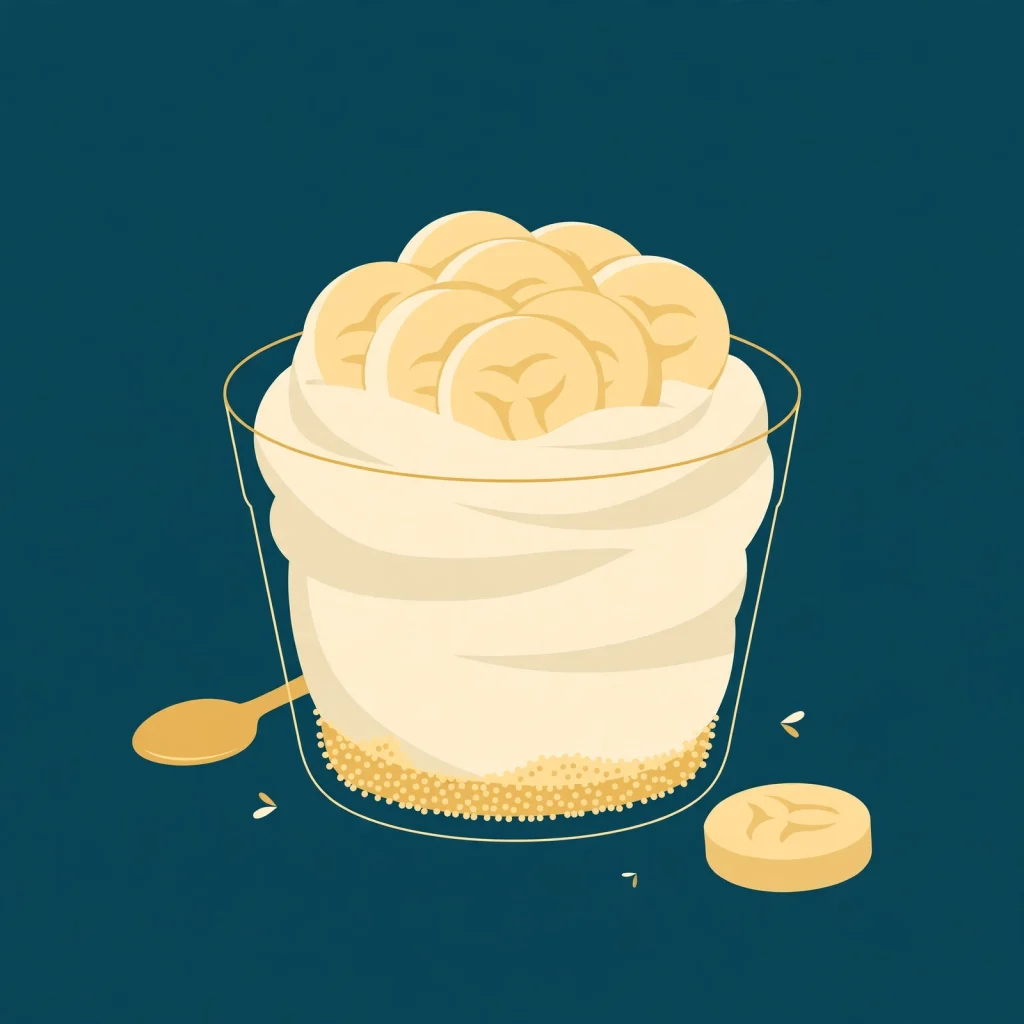
The easiest way to enjoy cheesecake in the first week is to skip the crust entirely and turn the filling into something spoonable. Here is a simple no-bake cheesecake mousse cup that takes five minutes and is gentle on a healing mouth.
What you need: 100 g soft cream cheese, 2 tablespoons of plain yoghurt, 1 teaspoon of honey, and half a very ripe banana, mashed smooth. A few drops of vanilla extract if you have it.
How to make it: Let the cream cheese soften at room temperature for ten minutes. Beat it together with the yoghurt and honey until completely smooth — no lumps. Fold in the mashed banana and vanilla. Spoon into a small cup and chill for at least thirty minutes. It should be the texture of thick mousse: soft enough to eat with a spoon and no chewing needed.
How to serve it: Eat it cool, not ice cold, and take small spoonfuls. Let each spoonful melt a little in your mouth before swallowing, and chew — if you chew at all — on the side away from the extraction site. No crust, no biscuit base, no crunchy topping. If you want a little extra flavour, a spoonful of smooth jam or a drizzle of honey on top works.
Why this works: You get the creamy, comforting taste of cheesecake without any of the parts that cause problems — no crumbs to get lodged in the socket, nothing hard to bite, nothing that needs real chewing.
If you would rather buy a slice than make one, that works too. Eat the soft filling and leave the crust on the plate, and ask for plain cheesecake with no topping. A plain slice from the fridge, left out for ten minutes so it is cool rather than cold, is the safest shop-bought choice.
When Can You Eat Cheesecake?
Timing matters more than the cheesecake itself. On the day of surgery, stick to liquids and very soft foods — your mouth is numb, the socket is fresh, and you should not be testing it with anything that needs chewing.
From day two or three, once the numbness is gone and the worst soreness has eased, a small portion of soft cheesecake filling is usually fine. Start with a few spoonfuls and see how it feels.
By day five to seven, most people can eat a regular slice, crust included, as long as they chew carefully on the opposite side and rinse gently afterwards. The crust is the last part to come back — it is crumbly, and crumbs are the main risk. If your extraction was complicated, wait a little longer. For a full day-by-day map of what to eat when, the food timeline is the best place to look.
What to Watch: Crust, Crumbs, Toppings, and Temperature
The crust. A biscuit or graham cracker base is the biggest problem with cheesecake after surgery. It crumbles, and those crumbs can work their way into the socket, where they irritate the wound and are hard to rinse out. In the first few days, skip it completely. When you do eat it later, take small bites, chew on the opposite side, and rinse gently afterwards.
The toppings. Fresh fruit toppings sound healthy, but berries with seeds, crunchy nuts, and hard chocolate pieces are all bad news for a fresh socket. Seeds and crumbs get lodged in the wound, and hard pieces need chewing your jaw is not ready for. Stick to smooth toppings in the first week: honey, smooth jam, or nothing at all.
The temperature. Cheesecake straight from the fridge can be very cold, and very cold food can sting the teeth next to the extraction site. Let your slice sit out for ten or fifteen minutes before eating, so it is cool rather than cold.
The sugar. Cheesecake is sweet, and sugar feeds the bacteria around a healing wound. Keep portions small, do not eat it all day, and rinse gently with water when you finish. A small slice as a treat is very different from grazing on sweet food all afternoon.
Best and Worst Types of Cheesecake in Week One
Not all cheesecake is equal when your mouth is healing. The safest choice is a plain, baked New York-style cheesecake with the crust removed — dense, smooth, and mild. A no-bake cheesecake mousse, like the cup above, is even gentler, since it needs no chewing at all.
Be more careful with cheesecakes that have extras mixed in: chocolate chips, biscuit pieces, crunchy caramel, or a thick biscuit layer. Anything with chunks or crumbs is a risk until the socket has started to close. Fruit-topped cheesecakes with seeds are best left for later in the week, and a frozen cheesecake can sting sensitive teeth — let it warm up a little first.
Cheesecake compares well with the other soft desserts in the first week. It is more filling than jelly and less sugary than a lot of cakes — and if you want to compare it directly with its closest cousin, our guide to cake after wisdom teeth removal explains which kinds of cake are safe and when.
How to Eat It Safely
A few small habits make cheesecake completely safe in recovery. Take small spoonfuls or small bites, and chew slowly on the side away from the extraction. Do not take a big bite and chew on both sides — that is how crumbs end up near the socket. After you finish, rinse gently with plain water, letting it fall out of your mouth instead of spitting forcefully. And keep the portion modest: a small slice is a treat, not a meal.
If anything feels wrong — sharp pain when you chew, food stuck near the socket that will not rinse away, or a bad taste — stop eating, rinse gently, and call your dentist if it does not settle. Most of the time, though, cheesecake is one of the easiest desserts in recovery. Soft filling, no crust, small portions, gentle rinse afterwards.
Frequently Asked Questions
Q: Can I eat cheesecake the day my wisdom teeth are removed?
A: Better to wait. Stick to liquids and very soft foods on day one. From day two or three, a small portion of soft filling is usually fine.
Q: Do I have to skip the crust?
A: In the first few days, yes. The crust crumbles, and crumbs can lodge in the socket. Eat the filling only, and try the crust after about a week.
Q: Is no-bake cheesecake better than baked cheesecake?
A: A no-bake mousse-style cheesecake is gentler because it needs no chewing. Baked cheesecake is also fine once you skip the crust.
Q: Can I eat cheesecake with fruit toppings?
A: Avoid toppings with seeds, nuts, or hard pieces in the first week. Smooth toppings like honey or seedless jam are fine.
Q: What if crumbs get stuck in the socket?
A: Rinse gently with plain water and let it fall out — do not poke at the socket or spit forcefully. If crumbs will not come out, call your dentist.
Q: Is cheesecake too sugary for a healing mouth?
A: It is sweet, so keep portions small and rinse with water afterwards. A small slice as an occasional treat is fine.