
Updated November 18, 2026
Quick answer
Can You Drink Water After Wisdom Teeth Removal? Yes — water is the safest drink you can have after wisdom teeth removal, and it is the one your dentist will recommend first. There is nothing in it to irritate the socket, no sugar to feed bacteria, and no acid to sting. The question is almost …
Can You Drink Water After Wisdom Teeth Removal?
Yes — water is the safest drink you can have after wisdom teeth removal, and it is the one your dentist will recommend first. There is nothing in it to irritate the socket, no sugar to feed bacteria, and no acid to sting. The question is almost never whether you can drink water, but how to do it safely in the first hours and days, when your mouth is numb, sore, and trying to form a clot that must not be disturbed.
That is what this guide is for. Here is a step-by-step way to get back to drinking normally, from the first sip to a full glass a few days later.
Step 1: Wait for the Numbness to Fade
Right after surgery, your lips, tongue, and cheek will be numb for a few hours. Do not drink anything yet. You cannot feel the water properly, so it is easy to dribble or bite your cheek without noticing. Wait until you can feel your lips and tongue again — a dry mouth for an hour or two is far better than a bad first swallow.
Step 2: Take Your First Sips — Small and Slow
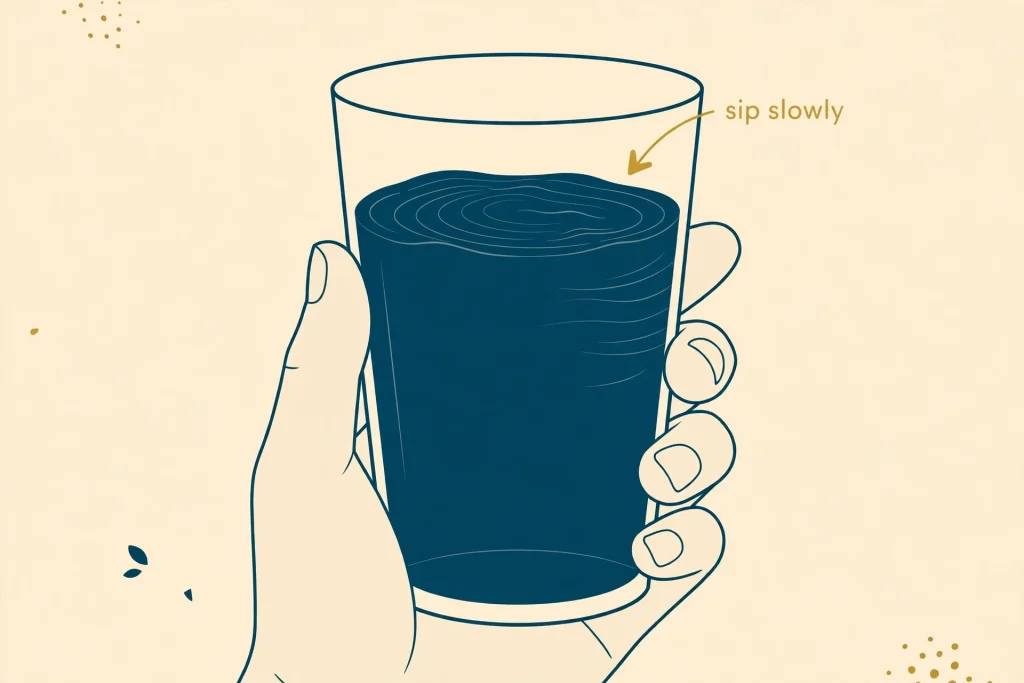
Once feeling returns, pour a small glass of cool or room-temperature water. Take one small sip. Let it sit in your mouth for a second, then swallow gently. Wait a minute. Take another small sip. That is all. Do not gulp, do not take a big mouthful, and do not rush. The socket is fresh, and the blood clot forming inside it is fragile. Gentle sips create almost no pressure, which is exactly what you want.
Step 3: Skip the Straw — Always
This step is non-negotiable for the first week. Drinking through a straw creates suction, and suction can pull the blood clot out of the socket. Losing that clot leads to dry socket, a painful condition that slows healing by days. Drink from a glass or a cup, every time. The same rule applies to water bottles with a sucking spout — pour the water into a glass instead.
Step 4: Build Up to Regular Drinking
By the evening of surgery day, most people can drink normally from a glass, as long as they keep sipping rather than gulping. Over the next two days, drink steadily through the day: a glass with each small meal, a few sips whenever you pass the kitchen, a glass by your bed at night. Your body uses fluid to carry nutrients to the wound and keep your mouth moist so the tissue can heal — dehydration makes everything worse.
Step 5: Rinse Gently After Eating and Drinking
Water is not just for drinking — it is also your gentlest cleaning tool. After each small meal, take a mouthful of plain water, tilt your head slightly, and let it fall out over the sink. Do not swish hard, do not spit forcefully, and do not use mouthwash unless your dentist tells you to. A gentle rinse washes away food particles that could irritate the socket, without disturbing the clot.
Step 6: Return to Normal — Gradually
By day three or four, the soreness usually eases, and drinking feels almost normal again. You can take bigger sips and drink cold water without wincing. Keep the no-straw rule for the full first week, though — the socket is still healing underneath. By the end of the week, most people are back to drinking water exactly as before. For a day-by-day picture of what else you can eat and drink as you heal, the food timeline lays it out clearly.
Why Hydration Matters So Much After Surgery
It is easy to under-drink after wisdom teeth removal. Your mouth hurts, you are tired, and every swallow is a small effort. But healing runs on fluid: water carries oxygen and nutrients to the wound, helps form new tissue, and keeps your saliva flowing — and saliva is one of your mouth’s natural defences against infection. Even mild dehydration can make recovery feel much worse: dizziness, headaches, and a dry, sore mouth. Keeping a glass of water within reach and sipping regularly is one of the simplest and most effective things you can do after surgery.
What to Avoid in Your Water
Plain water is perfect, but a few habits around it are not. Very cold water can trigger sharp sensitivity in the teeth next to the extraction site in the first couple of days — if it stings, let the glass warm to room temperature. Very hot water is also a bad idea early on, since heat can increase bleeding and discomfort. Never add anything fizzy, and do not turn your water into a flavoured drink with citrus or sugary powders in the first few days — acid and sugar both irritate a fresh socket.
One more habit to watch: spitting. After drinking or rinsing, let water fall out of your mouth gently instead of forcing it out. Forceful spitting creates the same kind of pressure as a straw, and it is one of the most common ways people accidentally disturb the clot.
How Much Water Should You Drink?
There is no exact number that fits everyone, but a good target is six to eight glasses a day, spread out steadily rather than all at once. If you are eating very little, you may need a bit more, since food normally supplies some of your fluid. Keep a bottle or glass beside you and sip through the day. If your urine is pale yellow, you are on track. And if plain water starts to feel boring after a few days, warm herbal tea is a gentle next step — our guide to drinking tea after wisdom teeth removal explains which kinds are safe and when to try them.
When to Call Your Dentist
Water itself should never cause a problem, but pay attention to how drinking feels. Call your dentist if you notice sharp pain every time you drink, bleeding that does not slow after the first day, a bad taste or smell from the socket, swelling that gets worse after day three, or a fever. These can be signs of infection or a lost clot, and both are easier to treat when caught early.
The bottom line is reassuringly simple: water is your best friend after wisdom teeth removal. Start with small sips once the numbness fades, drink from a glass, never use a straw, and keep sipping steadily through the day. Get that right, and you have already done one of the most useful things for a smooth recovery.
Frequently Asked Questions
Q: How soon after wisdom teeth removal can I drink water?
A: Once the numbness from the anaesthetic has worn off, usually a few hours after surgery. Start with small, slow sips from a glass.
Q: Can I drink water through a straw after wisdom teeth removal?
A: No. Avoid straws for at least the first week. The suction can dislodge the blood clot in the socket and cause dry socket.
Q: Should the water be cold or warm?
A: Cool or room temperature is best in the first day or two. Very cold water can sting sensitive teeth, and very hot water can increase bleeding and discomfort.
Q: How much water should I drink while recovering?
A: Aim for six to eight glasses a day, spread out steadily. If you are eating very little, you may need a bit more, since food normally supplies some fluid.
Q: Can I rinse my mouth with water after surgery?
A: Yes, gently. Let the water fall out of your mouth over the sink rather than swishing hard or spitting forcefully, especially in the first 24 hours.
Q: What if drinking water hurts?
A: Mild tenderness is normal, but sharp pain every time you drink is not. Switch to small sips of room-temperature water and call your dentist if the pain continues.