
Updated November 17, 2026
Quick answer
Ground beef sits in an interesting middle ground after wisdom teeth removal: not as risky as a steak — no tough fibre to tear through — but not as gentle as yogurt either. The answer depends almost entirely on how it is cooked and how far along your healing is. Cooked soft and served moist, …
Ground beef sits in an interesting middle ground after wisdom teeth removal: not as risky as a steak — no tough fibre to tear through — but not as gentle as yogurt either. The answer depends almost entirely on how it is cooked and how far along your healing is. Cooked soft and served moist, it can come back much sooner than most meats; cooked dry and crumbly, it traps food in the socket.
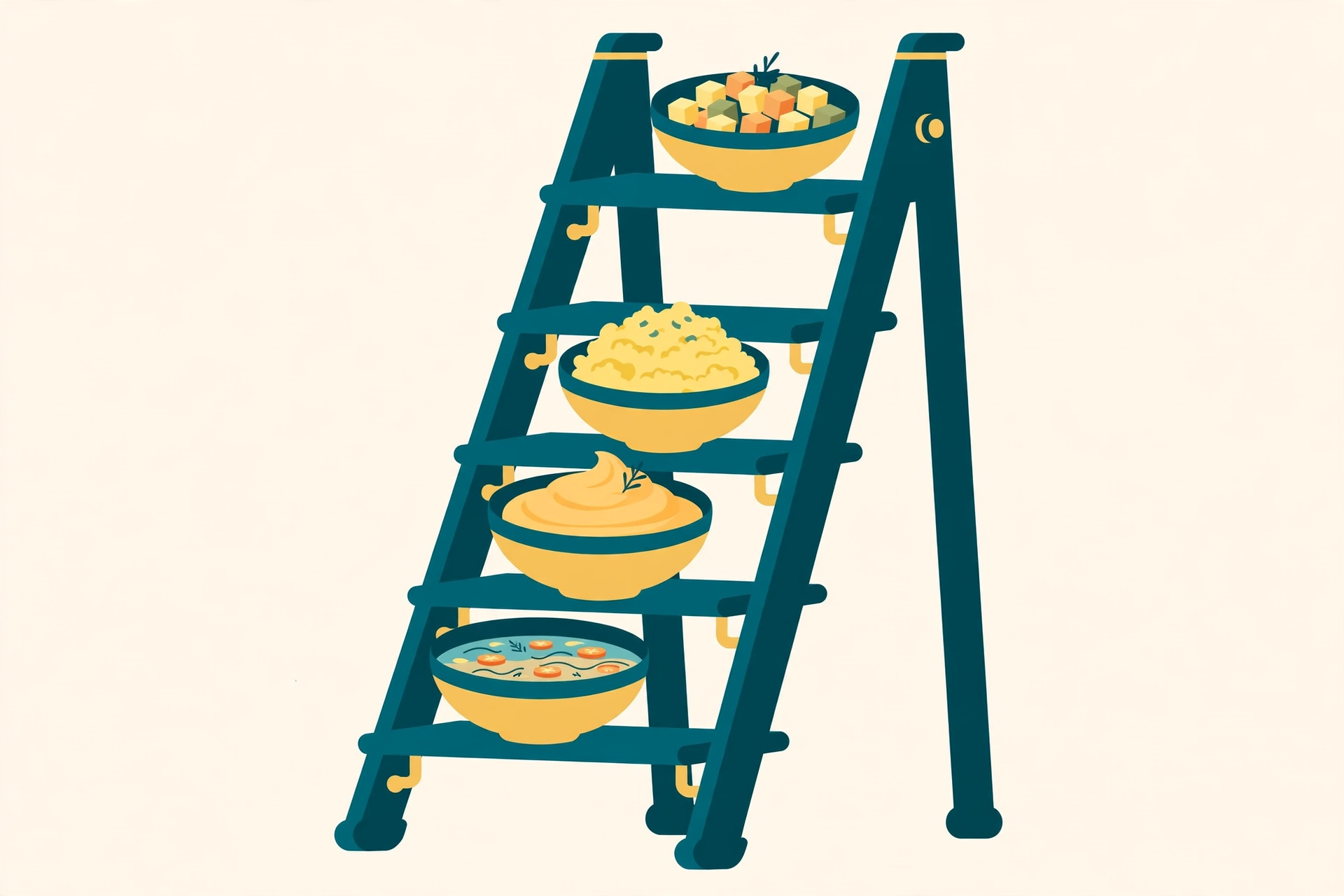
Think of it as a ladder. You do not jump from liquids to a burger — you climb, one soft texture at a time, and ground beef has a rung at almost every level. Here is how to do it safely, plus a meatball recipe that is genuinely easy to eat during recovery.
The Ground Beef Texture Ladder
Work your way up as your mouth heals. Do not skip rungs, and drop back a level if anything hurts or food keeps getting stuck.
Rung 1: Days 1–3 — Beef Broth Only
In the first three days, no solid beef at all. But beef broth is a wonderful recovery food — warm, savoury, and hydrating when you are not eating much. Sip it lukewarm, never steaming hot: very hot liquids can increase bleeding.
Rung 2: Days 3–5 — Smooth Beef Puree
Once the worst swelling has eased, you can try ground beef blended completely smooth. Cook lean ground beef in a little broth until very tender, then blend with extra broth or gravy until it has the consistency of a thick soup. It tastes like a rich beef soup and delivers protein without any chewing. Season gently — salt is fine, but skip chilli, hot sauce, and anything spicy while the sockets are still raw.
Rung 3: Days 5–7 — Soft Minced Beef in Sauce
By the end of the first week, many people can handle finely minced beef simmered in a smooth sauce — a mild Bolognese-style sauce with no chunks of onion or tomato skin. The meat should be very small, very moist, and swimming in sauce. Serve it over soft pasta or mashed potatoes and chew gently. If it feels dry or chewy, add more sauce and cook it longer next time.
Rung 4: Days 8–14 — Soft Meatballs and Meatloaf
This is where ground beef starts to feel like a proper meal again. A soft meatball — made with soaked breadcrumbs, an egg, and plenty of moisture — is tender enough to break apart with your tongue and the roof of your mouth. Meatloaf made the same way, served warm with gravy, works beautifully too. See the recipe below.
Rung 5: Week 3 and Beyond — Burgers and Tacos
By the third week, most people can eat a burger again — but build it gently: a soft bun, a well-cooked patty that is not overdone, and mild toppings. Skip the raw onion and crunchy pickles for the first attempt. Tacos are trickier because of the shell, so start with a soft tortilla and keep the filling moist and finely ground.
Remember: never use a straw for at least a week after your extraction, even with milkshakes or smoothies — the sucking motion can dislodge the blood clot and lead to dry socket. If you notice severe pain a few days after surgery, a bad taste, or an empty-looking socket, read the signs of dry socket and infection and call your dentist.
Soft Recovery Meatballs (The Recipe)
These meatballs are deliberately soft — no crust, no chewy bits, no spice — and they freeze well, so you can make a batch before surgery and reheat them one at a time.
Makes about 12 small meatballs. Prep 10 minutes, cook 20 minutes.
Ingredients:
- 500g lean ground beef
- 1 slice of white bread, crusts removed, soaked in 4 tablespoons of milk until soft
- 1 egg, lightly beaten
- 1/2 teaspoon salt
- A pinch of garlic powder (optional)
- 1 tablespoon olive oil or butter for cooking
- 1 cup of smooth tomato sauce or beef gravy, for serving
Method:
- Put the ground beef in a large bowl. Add the soaked bread, squeezing out most of the milk first, then the egg and salt. Mix gently with your hands — do not overwork the meat, or the meatballs will turn tough.
- Shape the mixture into small balls, about the size of a walnut. Smaller is better for recovery: they cook through faster and are easier to break apart in your mouth.
- Heat the oil or butter in a pan over medium-low heat and brown the meatballs very gently for a few minutes, turning carefully.
- Pour in the tomato sauce or gravy, cover, and simmer on low for 15 minutes — the gentle simmer is what makes them soft.
- Serve warm, not hot, with mashed potatoes or very soft pasta. Break each meatball in half with your fork and chew slowly on the opposite side.
Why this recipe works for recovery: the soaked bread keeps the meatballs tender, the egg binds them without making them rubbery, and simmering in sauce means they never dry out.
Choosing the Right Ground Beef
Not all ground beef is equal:
- Go lean, but not too lean. Very lean beef can dry out and turn crumbly; regular lean beef (85–90% lean) stays moister when cooked gently.
- Keep it moist. Dry, crumbly ground beef is the worst version of this food after extraction. Sauce, gravy, or broth is not optional — it is what makes the beef safe to eat.
What to Serve With Ground Beef
Pair your soft ground beef with something gentle:
- Mashed potatoes. The classic partner. Smooth, warm, and easy to eat.
- Soft pancakes as a side. A plain, soft pancake can be a gentle side in the second week. See our guide to eating pancakes after wisdom teeth removal for tips on keeping them soft.
- Yogurt or pudding as a follow-up. A cool, soft dessert after a warm meal can soothe a sore mouth. Our guide to eating pudding after wisdom teeth removal has plenty of ideas.
FAQs
Can you eat ground beef after wisdom teeth removal on day 4?
Yes, but only in a very soft form — blended smooth with broth or gravy, or finely minced and simmered in a smooth sauce. Solid pieces, burgers, and dry crumbly meat are still off the menu.
Can you eat ground beef after wisdom teeth removal after a week?
Yes, for most people. By day 7–10, soft meatballs or moist meatloaf served with mashed potatoes are usually comfortable. Chew slowly and on the opposite side from the extraction.
Are burgers safe after wisdom teeth removal?
Not in the first two weeks. By week three, a burger with a soft bun and a moist, well-cooked patty is usually fine. Skip raw onion, pickles, and toasted buns for your first burger back.
Is ground beef better than steak after wisdom teeth removal?
Much better. Steak needs strong chewing and tearing, which is exactly what a healing mouth cannot do. Ground beef has no long fibres, so it breaks apart easily — as long as it is cooked soft and kept moist.
Can you eat meatballs after wisdom teeth removal?
Yes — soft, moist meatballs are one of the best meat options during recovery. Use the recipe above, keep them small, simmer them in sauce, and break them in half with your fork before eating.
What if ground beef gets stuck in the socket?
Rinse gently with warm salt water and let the water fall out — do not spit forcefully or poke at the socket. If food keeps getting stuck, drop back a rung on the texture ladder for a few more days. If you notice increasing pain, a bad taste, or swelling, call your dentist.