
Updated October 30, 2026
Quick answer
You may be able to eat soft biscuits two weeks after wisdom teeth removal if healing is progressing well. Learn which textures to choose, what to avoid, and how to protect healing sockets.
Yes, many people can try a biscuit two weeks after wisdom teeth removal if healing is progressing normally and chewing feels comfortable. Choose a softer biscuit, take small bites, and stop if it causes pain. Very hard, crunchy, dry, or crumbly biscuits are a less suitable choice because pieces can irritate the extraction areas or collect near the sockets.
Two weeks is not a guaranteed point when every socket is fully healed. Your recovery depends on how difficult the extraction was, whether the teeth were impacted, and how your own tissues are healing. Follow the specific instructions from your dentist or oral surgeon.
What biscuits can you eat two weeks after wisdom teeth removal?
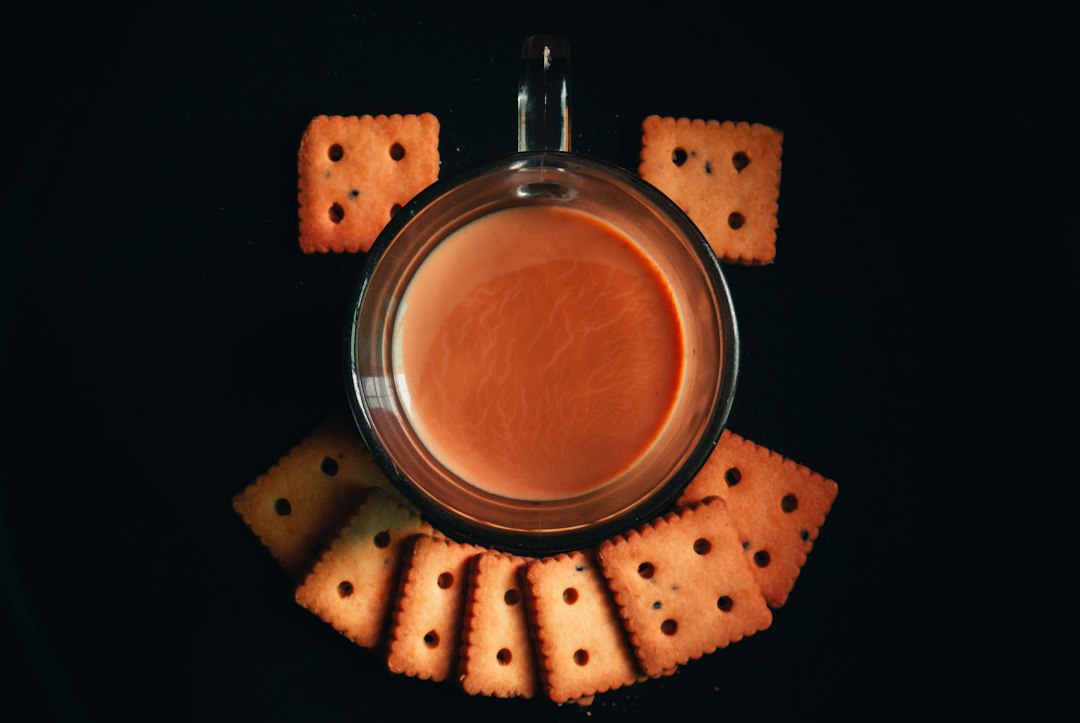
If you are healing comfortably, start with a biscuit that softens easily and does not require forceful chewing. You can let a small piece soften in your mouth or dip it briefly in a drink that is not hot, provided your surgeon has not advised otherwise. Avoid biting directly into a hard biscuit.
Examples that may be easier to manage include soft tea biscuits, lightly softened plain biscuits, or a tender biscuit that breaks apart without sharp, hard edges. Texture matters more than the product name: even a biscuit marketed as soft may be dry or crumbly.
Which biscuits should you avoid for now?
Be cautious with biscuits that are especially hard, crunchy, sharp-edged, sticky, or likely to crumble into many small pieces. These textures can be uncomfortable to chew and may leave crumbs around healing extraction sites.
Consider avoiding or postponing:
- Hard or very crunchy biscuits that need a strong bite
- Dry, crumbly crackers that break into lots of small pieces
- Biscuits with nuts, seeds, or hard pieces mixed through them
- Sticky or chewy cookies that pull when you bite
- Biscuits coated with hard candy or brittle toppings
How to eat biscuits more comfortably at the two-week mark
If your dentist has not restricted your diet and you can chew without significant discomfort, reintroduce biscuits gradually:
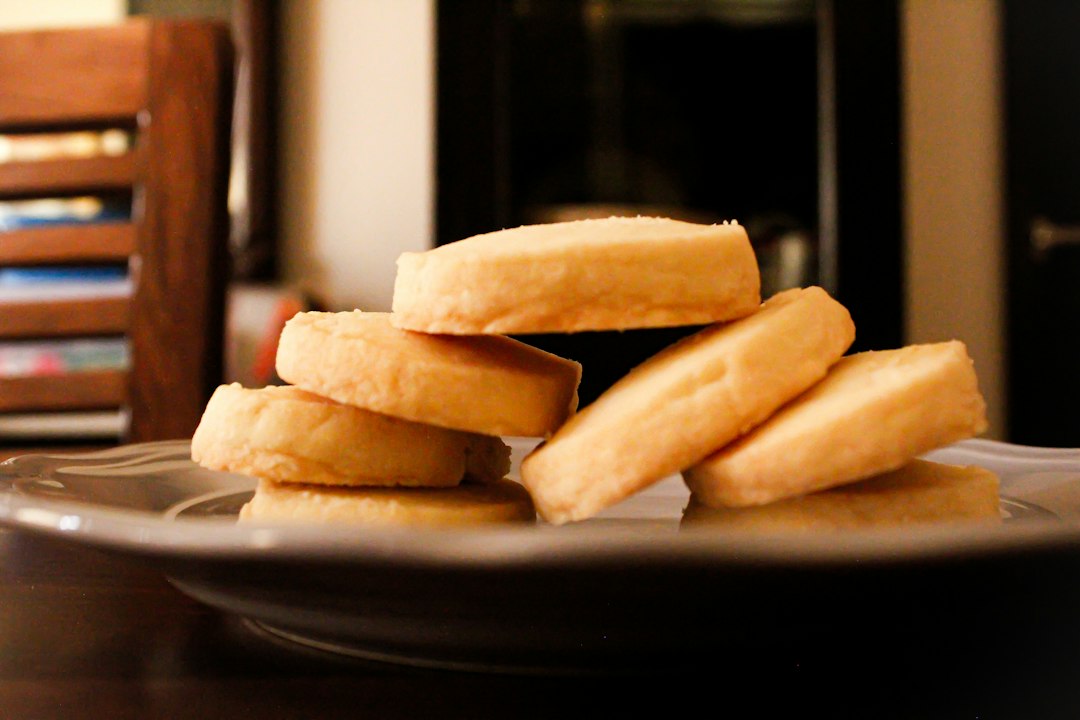
- Choose a soft biscuit that breaks apart easily.
- Start with a small piece rather than a full biscuit.
- Chew slowly and gently, preferably away from the extraction areas if that is comfortable.
- Do not force yourself to chew if your jaw is sore or stiff.
- After eating, gently rinse with warm salt water if your oral surgeon has recommended it. Do not swish forcefully.
- Keep brushing carefully as instructed, avoiding direct trauma to the healing sites.
Can biscuit crumbs get stuck in wisdom tooth holes?
Yes. Small food particles can collect in extraction sockets while they are healing. The openings may still be visible at two weeks, and complete closure can take longer. Do not dig into a socket with a finger, toothpick, or other object to remove a crumb.
Follow your surgeon’s cleaning instructions. If you were given an irrigation syringe, use it only as directed and only when your clinician told you to start. If food seems stuck and will not come away with the recommended gentle cleaning, contact your dental office for advice.
What if chewing still hurts after two weeks?
Some tenderness, jaw stiffness, or sensitivity can last beyond the first week, particularly after a more complex extraction. However, pain should generally be improving rather than getting worse. Choose softer foods and avoid biscuits until chewing is comfortable.
Contact your dentist or oral surgeon if you have worsening or severe pain, increasing swelling, fever, pus, a persistent foul taste or smell, or difficulty opening your mouth that is getting worse. Seek urgent care for trouble breathing or swallowing or rapidly spreading swelling.
Foods to choose if biscuits are still uncomfortable
If biscuits feel too hard or leave crumbs, choose foods with a softer, smoother texture while you continue healing. Options may include yogurt, scrambled eggs, mashed potatoes, oatmeal that has cooled to a comfortable temperature, soft pasta, or soup with tender ingredients. Adjust the texture to what you can chew comfortably.
For more ideas, see our guides to meals for wisdom teeth recovery and the wisdom teeth removal diet timeline. You may also find our article on when you can chew normally after wisdom teeth removal helpful.
Frequently asked questions
Can I eat a regular tea biscuit 14 days after wisdom teeth removal?
Possibly, if it is not too hard, your recovery is progressing normally, and you can chew comfortably. Start with a small softened piece. Avoid it if it causes pain or breaks into lots of dry crumbs.
Can I eat chocolate biscuits two weeks after extraction?
A soft chocolate biscuit may be manageable for some people, but avoid hard coatings, nuts, crunchy fillings, or sticky centers. Check the texture and take small bites rather than assuming every chocolate biscuit is soft.
Can I dip biscuits in tea after wisdom teeth removal?
Softening a biscuit in a warm—not hot—drink may make it easier to chew. Let the drink cool to a comfortable temperature and follow any temperature restrictions your surgeon gave you.
Are biscuits safe if my wisdom tooth holes have not closed?
Visible sockets can remain during healing, so an open-looking hole does not automatically mean something is wrong. However, crumbs may collect there. Choose foods that do not crumble much and clean the area only as your dental team instructed.
When can I eat crunchy biscuits again?
There is no single date that applies to everyone. Wait until chewing is comfortable and your dentist or oral surgeon has not given you any restrictions. If you are unsure—especially after impacted or complicated extractions—ask your dental team before returning to hard, crunchy foods.
This article is for general education and does not replace advice from your dentist or oral surgeon. Your own post-operative instructions should take priority.