If you’re wondering whether you can eat before wisdom teeth removal, the short answer is: it depends on the type of anesthesia you’ll receive. For procedures involving general anesthesia or IV sedation—which are common for complex extractions—you typically can’t eat or drink anything for at least 6-12 hours beforehand, often starting from midnight the night before. This precaution minimizes risks like nausea, vomiting, or aspiration during surgery. However, if it’s just local anesthesia, you might be able to have a light meal. As someone who’s guided countless patients through this (drawing from years of dental expertise and real-world insights), I’ll walk you through everything you need to know to prepare confidently, avoid pitfalls, and recover smoothly. Let’s dive in—knowledge is your best tool for turning a potentially stressful experience into a straightforward one.
Understanding Wisdom Teeth and Why Removal Is Often Necessary
Before we get into the nitty-gritty of eating guidelines, it’s helpful to understand what wisdom teeth are and why they might need to come out. This foundational knowledge can ease any anxiety and help you appreciate the importance of pre-op prep.
What Are Wisdom Teeth?
Wisdom teeth, also known as third molars, are the last set of teeth to emerge, usually between ages 17 and 25. They sit at the back of your mouth, one in each corner. Evolutionarily, they helped our ancestors grind tough foods like roots and nuts, but in modern humans, our jaws are often too small to accommodate them properly. According to dental statistics, about 65-85% of people will need at least one wisdom tooth removed due to issues like impaction or overcrowding.
Imagine this: Sarah, a 22-year-old college student, felt a dull ache in her jaw during finals week. At first, she dismissed it as stress, but an X-ray revealed her wisdom teeth were impacted—pushing against her other molars and causing misalignment. Stories like Sarah’s are common; ignoring early signs can lead to more severe problems, which is why proactive removal is often recommended.
Common Reasons for Wisdom Teeth Removal
Not everyone needs their wisdom teeth out, but extraction is one of the most performed oral surgeries worldwide, with millions undergoing it annually. Key reasons include:
- Impaction: When teeth don’t fully erupt, leading to pain, infection, or cysts.
- Crowding: They can shift other teeth, undoing years of orthodontic work.
- Infection or Decay: Partial eruption makes them hard to clean, increasing gum disease risk.
- Preventive Measures: Even asymptomatic teeth might be removed to avoid future complications, especially in younger patients where healing is faster.

Research from the American Association of Oral and Maxillofacial Surgeons (AAOMS) shows that untreated impacted wisdom teeth can lead to periodontal disease in up to 60% of cases by age 25. If you’re in your late teens or early 20s, your dentist might suggest removal as a preventive step—much like John, a 19-year-old athlete, who opted for extraction before his teeth caused issues that could sideline him from sports.
Types of Anesthesia: Why It Matters for Eating Rules
The anesthesia type directly influences whether you can eat beforehand. Here’s a breakdown:
- Local Anesthesia: A numbing injection around the tooth. You’re awake but feel no pain. Often used for simple extractions.
- Nitrous Oxide (Laughing Gas): Combined with local anesthesia for relaxation. Mild sedation.
- IV Sedation: You’re drowsy or asleep but breathing on your own. Common for multiple teeth.
- General Anesthesia: Fully unconscious, typically for complex cases or anxious patients.
From Mayo Clinic guidelines, general or IV sedation requires strict fasting to prevent complications like aspiration (inhaling stomach contents into lungs), which can occur in rare but serious cases. In contrast, local anesthesia allows normal eating. Always confirm with your surgeon—missteps here could delay your procedure.
Pre-Operative Instructions: Can You Really Eat or Drink?
This is the core question, and the answer hinges on safety. Eating before surgery under sedation can increase risks, as food in your stomach might cause vomiting or regurgitation. Let’s break it down by anesthesia type, based on expert recommendations from sources like the Mayo Clinic and oral surgery groups.
Guidelines for General Anesthesia or IV Sedation
If your procedure involves being “put under,” fasting is non-negotiable. Standard instructions include:
- No Food or Drink After Midnight: For morning surgeries, nothing solid or liquid (including water, gum, or mints) from midnight onward. This ensures an empty stomach.
- Clear Liquids Exception: Some protocols allow clear liquids (water, apple juice without pulp, black coffee—no milk or sugar) up to 2-4 hours before, but only if specified.
- Timeline Variations: For afternoon appointments, fasting might start 8-12 hours prior. Always follow your surgeon’s exact directive.
A study on surgical fasting highlights that non-compliance can lead to procedure cancellations or complications like aspiration pneumonia, though rare (about 1 in 10,000 cases under anesthesia). Take Lisa’s story: She absentmindedly sipped coffee before her IV sedation appointment, leading to a reschedule and added stress. Lesson? Set reminders and prepare mentally.
Guidelines for Local Anesthesia or Nitrous Oxide
Here, restrictions are lighter:
- Normal Eating Allowed: You can have a light meal 1-2 hours before, focusing on easy-to-digest foods to avoid discomfort.
- Nitrous Specifics: Some offices require no food or drink for 3 hours prior, but it’s less strict than IV.
- Hydration Tip: Stay hydrated but avoid heavy meals that could cause nausea.
From Prestige Oral Surgery, local anesthesia patients can eat normally, emphasizing comfort over strict fasting.
What Happens If You Eat or Drink by Mistake?
Honesty is key—tell your surgeon immediately. They might delay the procedure or switch anesthesia types. Risks include:
- Nausea and Vomiting: Common under sedation.
- Aspiration: Food particles entering lungs, potentially causing infection.
- Delayed Healing: Though indirect, stress from complications can slow recovery.
Stats show aspiration risks rise with non-fasting, but prompt disclosure minimizes issues.
Best Foods to Eat Before Wisdom Teeth Removal (If Permitted)
If your anesthesia allows it, opt for nourishing, light foods to fuel your body without upsetting your stomach. The goal: Energy without heaviness.
Recommended Pre-Surgery Foods
Focus on soft, digestible options rich in protein, carbs, and vitamins for sustained energy:
- Smoothies or Yogurt: Blend fruits, Greek yogurt, and spinach for a nutrient boost. High in probiotics for gut health.
- Oatmeal or Porridge: Warm and soothing, add bananas for potassium.
- Scrambled Eggs: Protein-packed and easy on the stomach.
- Applesauce or Mashed Potatoes: Carb sources that are gentle.
- Clear Broths: Hydrating and light if liquids are okay.
From OKC-OMS, soft foods like these are ideal pre-op. Mike, a busy professional, had a yogurt smoothie before his local anesthesia extraction and felt energized without issues.
Portion and Timing Tips
- Eat 2-4 hours before if allowed.
- Keep portions small to avoid bloating.
- Hydrate with water or herbal tea (caffeine-free).
Table: Pre-Surgery Food Guide
| Food Type | Examples | Why It’s Good | Notes |
| Proteins | Scrambled eggs, Greek yogurt | Builds strength for recovery | Avoid fried versions |
| Carbs | Oatmeal, bananas | Provides energy | Opt for low-sugar |
| Liquids | Clear broth, apple juice | Hydrates without solids | Only if permitted |
| Fruits/Veggies | Applesauce, mashed avocado | Vitamins for healing | Soft textures only |
Foods and Habits to Avoid Before Surgery
To prevent complications, steer clear of certain items that could interfere with anesthesia or cause discomfort.
What Not to Eat or Drink
- Heavy or Greasy Foods: Burgers, fried items—hard to digest and increase nausea risk.
- Spicy or Acidic Foods: Tomatoes, citrus—can irritate gums or cause heartburn.
- Crunchy Foods: Nuts, chips—potential for fragments to linger.
- Caffeine and Alcohol: Dehydrates and interacts with meds; avoid 24 hours prior.
- Dairy (If Sensitive): Milk can thicken mucus.
From Perimeter Dental Group, avoiding these reduces aspiration risks.
Other Habits to Skip
- Smoking: At least 12-24 hours before; impairs healing and increases dry socket risk (up to 20% in smokers vs. 2% in non-smokers).
- Chewing Gum or Mints: Counts as intake under fasting rules.
- Medications: Check with your doctor; some like blood thinners may need adjustment.
Pros & Cons of Pre-Surgery Eating
Pros (If Allowed):
- Maintains blood sugar levels, reducing dizziness.
- Provides comfort and reduces anxiety.
Cons:
- Risk of cancellation if rules broken.
- Potential for post-op nausea.
Step-by-Step Guide: Preparing for Your Wisdom Teeth Removal
Preparation goes beyond food—here’s a comprehensive checklist to ensure everything runs smoothly.
1. Consult Your Surgeon
Schedule a pre-op visit to discuss anesthesia, medical history, and personalized instructions. Ask about allergies or conditions like diabetes, which might alter fasting (e.g., type 1 diabetics may need to adjust insulin).
2. Arrange Transportation and Support
You can’t drive after sedation. Enlist a friend or family member—plan for them to stay during recovery.
3. Stock Up on Supplies
- Soft foods for after: Yogurt, pudding, soups.
- Ice packs for swelling.
- OTC pain relievers (ibuprofen, as recommended).
- Gauze, salt for rinses.
Emily, a mom of two, prepped her kitchen with recovery foods the day before, making her post-op days easier.
4. The Night Before
- Eat a light dinner if allowed (e.g., pasta or soup).
- Brush teeth thoroughly but gently.
- Get a good night’s sleep—aim for 7-9 hours.
- Remove jewelry, contacts, and nail polish.
5. Day-Of Essentials
- Wear comfortable, loose clothing.
- Arrive early.
- Bring ID, insurance, and any meds.
Expert Tip: Journal your concerns beforehand; it helps manage anxiety, as shared by patients in forums like Reddit.
What to Expect During Wisdom Teeth Removal
Knowing the process demystifies it. Most procedures last 30-60 minutes.
The Procedure Step-by-Step
- Check-In and Prep: Vital signs checked, IV started if needed.
- Anesthesia Administration: You’ll relax or sleep.
- Extraction: Incisions if impacted, tooth removal (sometimes sectioned).
- Closure: Stitches if necessary, gauze for bleeding.
Complications are rare (less than 5% for nerve damage), but follow-up is key.
Immediate Aftermath
You’ll wake in recovery, possibly groggy. Swelling peaks at 48 hours; pain managed with meds.
Recovery Roadmap: What to Eat After Wisdom Teeth Removal
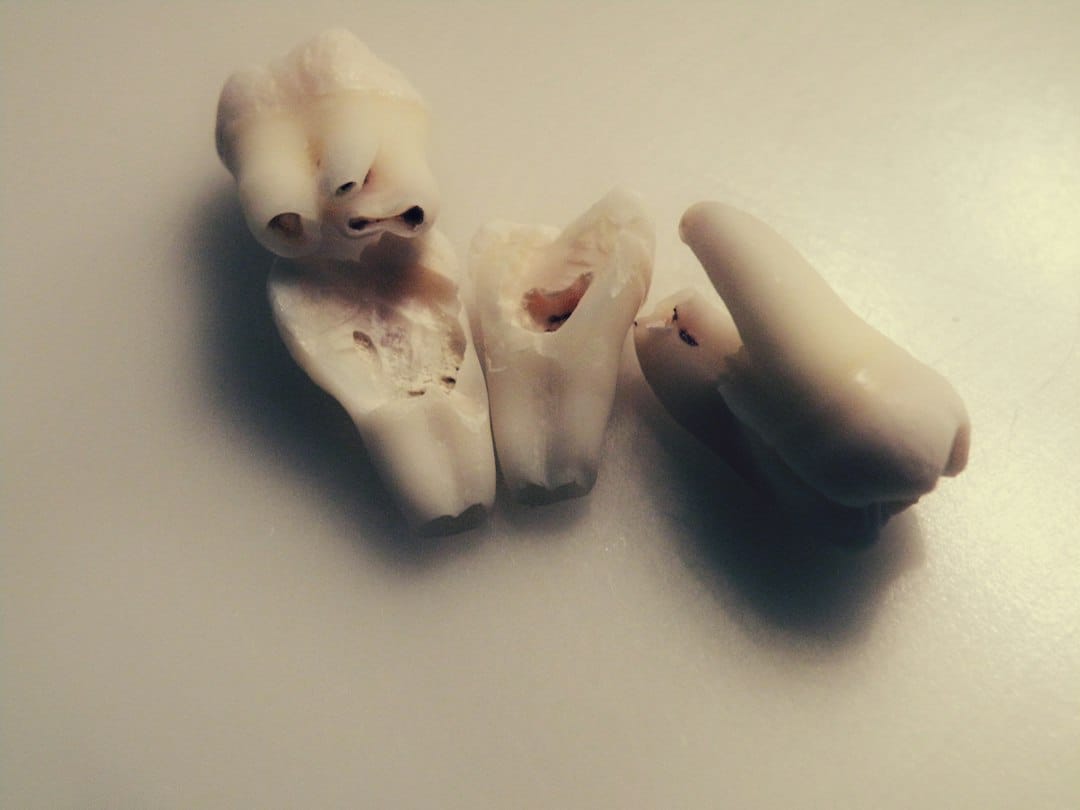
While our focus is pre-op, a seamless transition includes post-op nutrition. Recovery takes 3-7 days for basics, up to 2 weeks fully.
First 24-48 Hours: Liquids and Soft Foods
Stick to cold, soothing items to reduce swelling:
- Allowed: Smoothies, broths, yogurt, ice cream (no chunks).
- Avoid: Hot foods, straws (risk dry socket), alcohol.
Stats: Dry socket affects 2-5% of patients, often from sucking actions or smoking.
Day 1 Timeline:
- Hour 1-2: Ice chips.
- Hour 3+: Clear liquids.
- Evening: Pudding or mashed bananas.
Days 3-7: Gradual Solids
Introduce semi-softs:
- Mashed potatoes, scrambled eggs, soft pasta.
- Protein shakes for healing.
Avoid crunchy or chewy until stitches dissolve.
Long-Term Recovery Foods
By week 2, normal diet resumes, but ease in. Nutrient focus: Vitamin C (oranges in smoothies) for collagen, protein for tissue repair.
Personal Story: Tom, post-removal, relied on bone broth for nutrition, crediting it for his quick heal—no infections.
Table: Post-Op Food Progression
| Phase | Foods | Duration | Tips |
| Day 1 | Liquids (broth, juice) | 24 hours | Cold to numb pain |
| Days 2-3 | Soft (yogurt, applesauce) | 48 hours | Rinse after eating |
| Week 1 | Semi-soft (eggs, oatmeal) | 7 days | Chew opposite side |
| Week 2+ | Normal, gradual | Ongoing | Monitor swelling |
Potential Complications: Stats and Prevention
While most recoveries are smooth, awareness helps.
- Dry Socket: 2-5%, pain from exposed bone; prevented by no smoking/straws.
- Infection: <5%, signs include fever; antibiotics if needed.
- Nerve Damage: 1-5%, usually temporary; rare permanent (0.5%).
- Eating-Related Issues: Aspiration risk if pre-op rules ignored, but stats low with compliance.
From NIH studies, factors like age and gender influence reduced intake post-op, but pre-op prep mitigates.
Prevention: Follow instructions, attend follow-ups.
Expert Tips for a Stress-Free Experience
- Hydration Hack: If fasting, sip water early evening.
- Pain Management: Alternate ibuprofen and acetaminophen.
- Mental Prep: Listen to podcasts or meditate.
- For Special Cases: Diabetics, consult endo; pregnant? Discuss risks.
From X discussions, many share ibuprofen-fueled rants post-op, but pre-planning helps.
FAQs About Eating Before Wisdom Teeth Removal
Q: Can I have water before surgery?
A: Only if clear liquids are allowed up to 2-4 hours before; check your instructions.
Q: What if I’m diabetic?
A: You may need adjusted fasting; run slightly higher blood sugar overnight.
Q: Is coffee okay?
A: Black, no sugar/milk, if liquids permitted—but often not.
Q: How long until I can eat normally after?
A: 1-2 weeks, starting soft.
Q: What about smoking or vaping?
A: Avoid 24-48 hours pre- and post-op to prevent dry socket.
Q: Can kids eat before?
A: Same rules, but consult pediatric specialist.
Conclusion: Take Control of Your Wisdom Teeth Journey
Navigating wisdom teeth removal doesn’t have to be daunting—armed with these guidelines on eating (or not) beforehand, you’re set for success. Remember, the key is following your surgeon’s advice tailored to your case. If you’re facing this procedure, schedule a consultation with your oral surgeon today to personalize your plan and ensure a swift recovery. Your future self (with a pain-free smile) will thank you!
Optimized Meta Title: Can You Eat Before Wisdom Teeth Removal? Essential Guidelines & Recovery Tips
Meta Description: Learn if you can eat before wisdom teeth removal, anesthesia-specific rules, best pre-op foods, and post-surgery recovery advice. Expert insights for a smooth experience.
Looking for dental care options? Call to discuss the advertised dental service.
Call Now