If you’ve ever recovered from wisdom teeth removal, you know the drill: soft foods only, nothing too hot, no straws. But here’s what most recovery guides leave out — not all soft foods are created equal.
You could spend a week eating nothing but ice cream and pudding and technically follow the “soft food rule.” But your body needs more than soft texture right now. It needs fuel for healing — protein to rebuild tissue, vitamins to reduce inflammation, and minerals to support your immune system while your gums and jawbone recover.
This guide goes beyond “what’s soft enough to eat” and into what actually helps you heal faster. I’m walking you through 26 nutrient-dense foods, why each one matters for recovery, and how to build them into a routine that keeps you nourished from day one through week three.
What Are the Healthiest Foods After Wisdom Teeth Removal?
The healthiest foods after wisdom teeth removal combine soft texture with high nutritional value — think Greek yogurt, mashed avocado, bone broth, pureed soups, soft scrambled eggs, and mashed sweet potatoes. These provide protein for tissue repair, vitamin A and C for healing, and healthy fats for sustained energy — all without requiring chewing or risking damage to your extraction sites.

Why Nutrition Matters So Much During Wisdom Teeth Recovery
Here’s something I always tell my readers: your body is doing serious repair work after extraction — closing wounds, rebuilding tissue, and fighting off any potential infection at the surgical site. That repair work requires raw materials, and those materials come from food.
When people eat poorly during recovery — relying mostly on ice cream, crackers softened in milk, or skipping meals because chewing feels like too much effort — healing can actually slow down. Low protein intake in particular has been linked to slower wound healing across many types of surgical recovery.
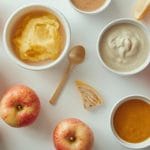 Read More: 27 Soft Foods to Eat After Wisdom Teeth Removal: Food List
The Three Nutritional Priorities After Extraction
1. Protein
Your body needs protein to rebuild the soft tissue around your extraction sites. Aim to include a protein source at every meal, even during the liquid phase.
2. Vitamin C and Vitamin A
Vitamin C supports collagen production (essential for wound healing), while vitamin A supports tissue repair and immune function. Pureed fruits and vegetables are your best friends here.
3. Hydration
Dehydration slows healing and can worsen fatigue and headaches during recovery — but remember, no straws for at least the first week, as suction can dislodge the protective blood clot and cause dry socket.
💡 Tip Box: If you’re worried about getting “real” nutrients while everything you eat is mashed, pureed, or blended — don’t be. Every food on this list can be made nutrient-dense with simple additions like protein powder, olive oil, nut butter, or a sprinkle of nutritional yeast.

 Read More: Wisdom Teeth Food Timeline: What to Eat Each Day After Surgery
26 Healthy Wisdom Teeth Foods for Recovery
Fruits & Vegetables (Mashed & Pureed)
1. Unsweetened Applesauce
Cool, soothing, and naturally rich in vitamin C — applesauce is one of the easiest foods to tolerate in the first 24–48 hours. Choose unsweetened varieties to avoid unnecessary added sugar, which can encourage bacterial growth near healing extraction sites.
Why it helps: Vitamin C supports collagen formation, a key part of gum tissue repair.
2. Mashed Potatoes
A comforting, calorie-dense classic that’s perfect when your appetite is low but your body still needs fuel. Make sure they’re completely smooth — no lumps that require chewing.
Why it helps: High in calories and easy to fortify with butter, cheese, or a splash of milk for added protein and fat.
Boost it: Stir in a tablespoon of Greek yogurt for extra protein without changing the texture.
3. Mashed Sweet Potatoes
Sweet potatoes are one of the richest natural sources of beta-carotene, which your body converts to vitamin A — a nutrient directly involved in tissue regeneration.
Why it helps: Vitamin A plays a key role in epithelial (surface tissue) healing, making this one of the most valuable foods on this list for gum recovery specifically.
4. Mashed Avocado
Avocado is soft, mild, and packed with healthy monounsaturated fats — the kind that help your body absorb fat-soluble vitamins (A, D, E, K) from other foods you’re eating.
 Read More: 25 Easy Soup Recipes for Wisdom Teeth Recovery | Soothing & Nutritious
Why it helps: Calorie-dense without needing any chewing, and gentle on a tender mouth.
Tip: Mash with a small pinch of salt and lemon juice (avoid if your extraction sites are very sensitive to acidity in the first few days).
5. Mashed Bananas
Soft, naturally sweet, and a great source of potassium — an electrolyte that’s easy to lose if you’re not eating much in the first few days.
Why it helps: Potassium supports normal muscle and nerve function, which matters more than people realize when you’re running on minimal food intake.
6. Pureed Pumpkin
Highly nutritious and easy to mix with a little cinnamon and yogurt for a dessert-like texture that doesn’t feel like “recovery food.”
Why it helps: Like sweet potato, pumpkin is rich in vitamin A and also provides a good dose of vitamin C and fiber — helpful for preventing the constipation that often comes with pain medication.
7. Pureed Butternut Squash
 Read More: Can You Eat Before Wisdom Teeth Removal? Pre- and Post-Surgery Guide
Smooth and packed with vitamins; roast until very soft, then blend with a splash of broth or milk until completely smooth.
Why it helps: Combines vitamin A, vitamin C, and potassium in one easy-to-eat package — a genuine nutritional powerhouse for this stage of recovery.
8. Mashed Carrots
Boil until extremely soft, then mash or puree completely — carrots that retain any firmness can be uncomfortable on tender gums.
Why it helps: Another excellent vitamin A source, and the natural sweetness makes it palatable even when your appetite is reduced.
9. Baked Apples (Skinless)
Bake until completely soft, remove the skin, and mash into a warm (not hot) puree — a comforting alternative to applesauce with a more “real food” feel.
Why it helps: Provides vitamin C and natural fiber in a gentle, cooked form that’s easier on sensitive gums than raw fruit.
10. Mashed Green Beans
Steamed until very soft and pureed into a savory mash — a less common choice, but a useful way to add variety and micronutrients to a diet that can otherwise feel repetitive.
Why it helps: Contains vitamin K and folate, both involved in tissue repair and healing processes.

For an even broader list of soft food options across every stage of recovery, my guide on 27 soft foods to eat after wisdom teeth removal pairs well with this nutrient-focused list.
Dairy & Soft Proteins
11. Greek Yogurt
Read More: Can You Eat Before Wisdom Teeth Removal? Pre- and Post-Surgery Guide
High in protein to help repair tissue, and the thick, creamy texture makes it satisfying even when you can’t chew. Stick to smooth varieties without fruit chunks or granola.
Why it helps: Protein is the single most important macronutrient for wound healing — Greek yogurt delivers nearly double the protein of regular yogurt in the same serving size.
Boost it: Add a spoonful of honey and a dash of cinnamon for flavor without adding texture.
12. Cottage Cheese
Soft and easy to swallow, plus it’s loaded with protein — particularly casein, a slow-digesting protein that provides a steady supply of amino acids over several hours.
Why it helps: Great option for a bedtime snack, as the slow-digesting protein supports overnight tissue repair.
13. Ricotta Cheese
Very creamy and mild; can be eaten alone or mixed into mashed vegetables for added protein and richness without changing the texture significantly.
Why it helps: A versatile protein source that blends seamlessly into both sweet and savory soft foods.
14. Kefir
A drinkable yogurt full of probiotics — remember, drink from a cup, not a straw.
Why it helps: Probiotics support gut health, which matters during recovery because pain medications (especially opioids) can disrupt digestion. A healthy gut microbiome may also play a supporting role in overall immune function during healing.
15. Soft Scrambled Eggs
Gently cooked so they remain moist and require almost no chewing — one of the most complete protein sources you can eat during recovery.
Why it helps: Eggs contain all nine essential amino acids your body needs for tissue repair, plus zinc, which plays a direct role in wound healing.
16. Silken Tofu
Extremely soft and can be scrambled like eggs or blended into smoothies — an excellent plant-based protein option.
Why it helps: Provides a complete protein profile along with iron, which supports the formation of new blood cells during the healing process.
17. Hummus
Creamy and savory, offering healthy fats and plant protein — eat with a spoon, not chips or crackers.
Why it helps: Chickpeas provide both protein and fiber, plus iron and folate — useful for maintaining energy levels when overall food intake is reduced.
18. Flaky Salmon
Once you’re ready for slightly more texture (typically days 4–7), very soft, well-cooked salmon flakes apart easily and is rich in anti-inflammatory omega-3 fatty acids.
 Read More: Can Impacted Wisdom Teeth Cause Jaw Pain?
Why it helps: Omega-3s have been studied for their role in reducing inflammation — potentially helpful for managing post-surgical swelling as you progress through recovery.
19. Smooth Peanut or Almond Butter
Highly caloric and nutritious — best mixed into oatmeal, yogurt, or a smoothie so it doesn’t stick to the roof of your mouth or pull at extraction sites.
Why it helps: A concentrated source of healthy fats, protein, and calories — useful when appetite is low but energy needs remain high.
⚠️ Caution: Never eat nut butter straight off a spoon in thick clumps during the first few days — the sticky texture can pull at healing tissue. Always thin it into another food.

Soups & Liquids
20. Bone Broth
Highly nutritious, hydrating, and packed with minerals and collagen to support healing — serve warm, not hot.
Why it helps: Bone broth contains collagen-derived amino acids like glycine and proline, which are building blocks for the same connective tissue your body is repairing at the extraction site.
21. Cream of Tomato Soup
A savory, smooth classic that’s easy to make nutrient-dense by blending in extra vegetables or a splash of cream for calories.
Why it helps: Tomatoes are a good source of vitamin C, and the smooth texture makes this an easy way to get vegetables in during the early recovery days.
22. Blended Vegetable Soup
Blend vegetables like celery, carrots, and onions into a smooth, drinkable broth — a great way to use up whatever vegetables you have on hand.
Why it helps: A flexible base for getting multiple vitamins and minerals in one bowl — particularly useful if your appetite is low and you’re not eating large volumes of food.
23. Seedless Green Smoothies
Blend spinach or kale with banana and milk or yogurt until perfectly smooth — a sneaky way to get leafy greens in without any texture issues.
Why it helps: Leafy greens provide vitamin K and folate, both involved in healing and blood clotting — important in the early days after extraction when your body is forming and maintaining the protective clot at the surgical site.
For more drinkable, nutrient-packed options specifically designed for this stage, my soup recipes after wisdom teeth removal guide has a full collection of extraction-safe recipes.

Soft Grains & Carbs
24. Instant Oatmeal
Softer than rolled oats — make sure it’s cooled down and very mushy before eating.
Why it helps: Oats provide steady-release energy (important when you’re not eating much overall) plus B vitamins, which support energy metabolism during recovery.
Boost it: Stir in mashed banana, a spoonful of yogurt, or a small amount of nut butter for added protein and calories.
25. Cream of Wheat
A warm, smooth, and easily digestible porridge — a gentle option for mornings when your mouth feels especially tender.
Why it helps: Fortified varieties often contain added iron and B vitamins, which support energy levels during a period when you may be eating less overall.
26. Congee (Rice Porridge)
Rice boiled in plenty of water or broth until it breaks down into a thick, soothing, easy-to-swallow pudding — a recovery staple in many culinary traditions for good reason.
Why it helps: Extremely gentle on the digestive system and easy to fortify with shredded soft chicken, soft tofu, or a soft-cooked egg for added protein.

How to Build a Balanced Day From This List
Knowing what to eat is one thing — putting it together into a day that actually covers your nutritional bases is another. Here’s a sample day that draws from the list above:
Breakfast: Instant oatmeal with mashed banana and a spoonful of almond butter stirred in
Mid-morning: Greek yogurt with a drizzle of honey
Lunch: Blended vegetable soup with a side of mashed avocado
Afternoon: Seedless green smoothie
Dinner: Mashed sweet potato with soft scrambled eggs
Evening: Cottage cheese (slow-digesting protein for overnight repair)
This kind of structure ensures you’re getting protein at every meal, vitamin A and C throughout the day, and enough overall calories to support healing — without ever needing to chew.
💡 Tip : In my experience, the people who recover most comfortably are the ones who prep a few of these foods in advance — before surgery, not after. Make a batch of mashed sweet potato, a pot of soup, and a container of overnight oats the day before your procedure. You’ll be glad you don’t have to cook while your mouth is sore and your head is foggy from anesthesia.
Foods to Avoid — Even If They Seem “Healthy”
Some foods are genuinely nutritious but still risky during recovery because of texture, temperature, or seeds. Watch out for:
- Whole strawberries, raspberries, or kiwi — the small seeds can lodge in extraction sites
- Raw vegetables — even “healthy” carrot sticks or celery require chewing that can disturb healing tissue
- Hot soups straight off the stove — wait until lukewarm, especially in the first 48 hours
- Granola or muesli — often marketed as healthy, but the texture is far too abrasive for healing gums
- Citrus juices — high acidity can irritate the extraction site, even though the vitamin C content is appealing
If you’re putting together your shopping list before surgery, my guide on what you can eat before wisdom teeth removal is worth reading too — preparing your kitchen in advance makes the first few days significantly easier.
When Nutrition Alone Isn’t Enough: Watching for Complications
Good nutrition supports healing, but it can’t substitute for proper monitoring of your recovery. If you notice persistent pain that doesn’t improve with food and rest — particularly pain that seems to radiate toward your jaw or ear — it’s worth reading about whether impacted wisdom teeth can cause jaw pain, as this can sometimes be mistaken for normal recovery discomfort.
According to the NHS, eating soft, nutritious foods and avoiding hot drinks, alcohol, and smoking during the initial recovery period supports proper healing and reduces the risk of complications like infection or dry socket.
The Mayo Clinic also notes that following dietary guidance during recovery — including gradually progressing food texture as healing allows — plays a meaningful role in overall recovery comfort and timeline.
Frequently Asked Questions
Q: What is the healthiest food to eat after wisdom teeth removal?
Greek yogurt is one of the healthiest options after wisdom teeth removal — it’s soft, requires no chewing, and provides significantly more protein than regular yogurt, which supports tissue repair. Mashed sweet potato is another excellent choice due to its high vitamin A content, which supports gum healing.
Q: How can I get enough protein after wisdom teeth removal?
Focus on soft, protein-rich foods like Greek yogurt, cottage cheese, soft scrambled eggs, silken tofu, and bone broth. Adding unflavored protein powder to smoothies, soups, and oatmeal is also an easy way to boost protein intake without changing texture.
Q: Are smoothies healthy after wisdom teeth removal?
Yes — smoothies are an excellent way to get fruits, vegetables, protein, and hydration in one easy-to-consume meal. Just avoid using a straw, as the suction can dislodge the healing blood clot and cause dry socket. Drink directly from a cup or use a spoon instead.
Q: Can I eat fruit after wisdom teeth removal?
Soft, seedless fruits like mashed banana, applesauce, and baked apples (skinless) are safe and nutritious. Avoid fruits with small seeds, such as strawberries, raspberries, and kiwi, as seeds can become trapped in extraction sites and cause irritation or infection.
Q: How long should I eat nutrient-focused soft foods after wisdom teeth removal?
Most people benefit from prioritizing nutrient-dense soft foods for at least the first 7–10 days of recovery, when tissue repair demands are highest. As you progress to semi-soft and then regular foods over the following weeks, continuing to prioritize protein and vitamin-rich options can support ongoing healing.
Conclusion: Nourish While You Heal
Recovering from wisdom teeth removal doesn’t mean choosing between “soft” and “healthy” — with a little planning, you can have both.
The 26 foods in this guide give you genuine nutritional value at every stage: protein for tissue repair, vitamins A and C for healing, healthy fats for energy, and hydration to support your whole body while it does the work of recovering.
Stock your kitchen before surgery, lean on this list when you’re not sure what to eat, and remember — every nutrient-dense bite is helping your body heal a little faster.
For a complete day-by-day breakdown of what to eat throughout your entire recovery, check out my wisdom teeth food timeline — it pairs perfectly with this nutrition-focused list.
Looking for dental care options? Call to discuss the advertised dental service.
Call Now