Updated November 18, 2026
Quick answer
Can You Eat Ice Cream After Wisdom Teeth Removal? Ice cream is the one food almost everyone looks forward to after wisdom teeth removal — and for once, the craving lines up with the recovery advice. Dentists often recommend it in the first days. But not every kind of ice cream is equally safe, and …
Can You Eat Ice Cream After Wisdom Teeth Removal?
Ice cream is the one food almost everyone looks forward to after wisdom teeth removal — and for once, the craving lines up with the recovery advice. Dentists often recommend it in the first days. But not every kind of ice cream is equally safe, and a few common mistakes can still cause problems.
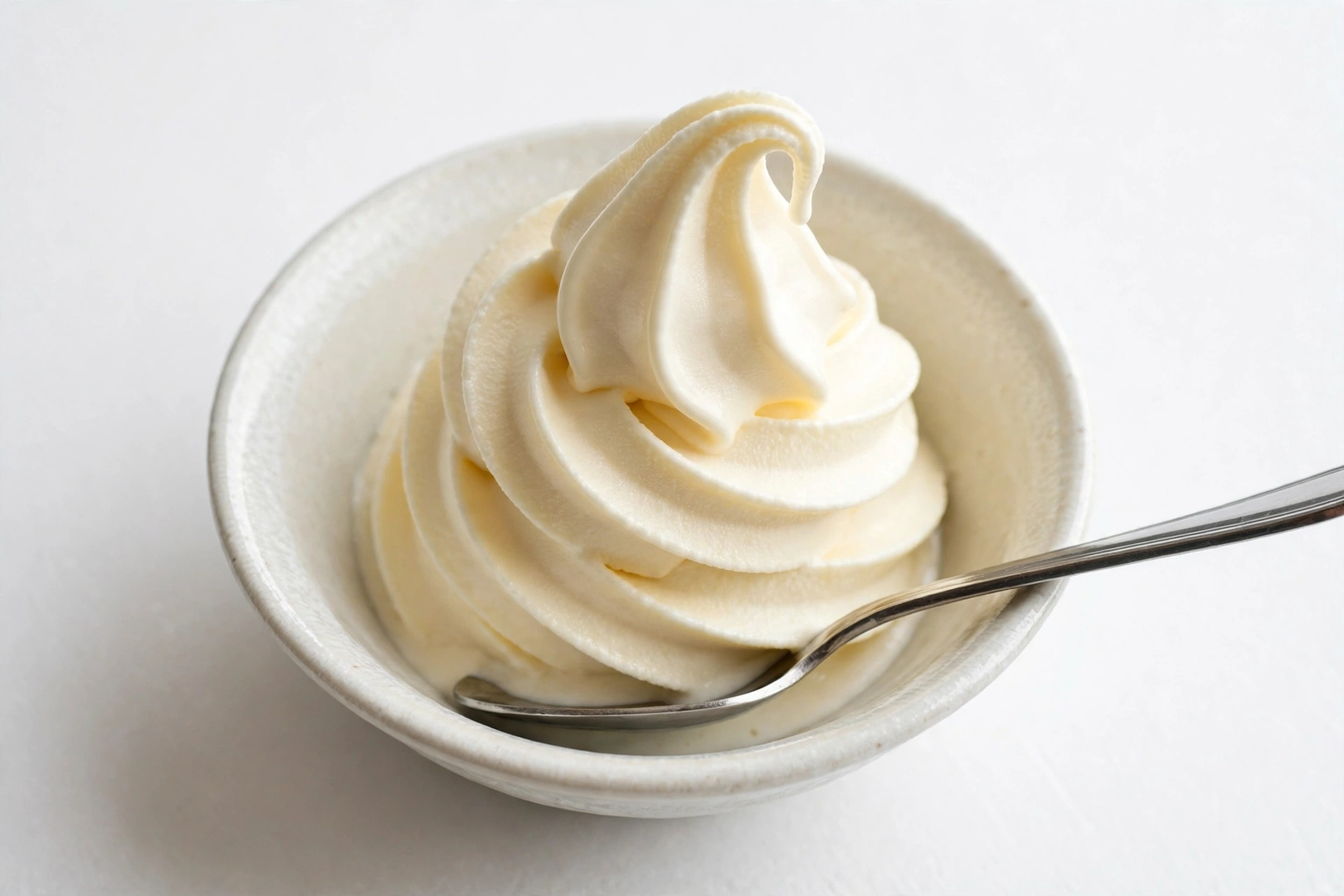
The Short Answer: Yes — ice cream is one of the best foods for the first few days after wisdom teeth removal. Plain, soft ice cream eaten with a spoon is usually fine from day 1, once the numbness has worn off. The cold soothes swelling and the soft texture needs almost no chewing. Avoid ice cream with nuts, chocolate chips, cookie pieces, or a crunchy cone, and never eat it through a straw. Always follow your oral surgeon’s specific instructions.
Why Ice Cream Works So Well After Wisdom Teeth Removal
Ice cream ticks almost every box on the early-recovery food list:
- Cold helps swelling. The cold numbs the area slightly and can ease the swelling that peaks around day 2–3.
- Almost no chewing needed. Soft ice cream melts in your mouth, so your jaw — stiff and sore after surgery — barely has to work.
- Soft and smooth. With no hard edges or crumbs, plain ice cream is unlikely to scrape the socket or get lodged in it.
- Easy calories. When eating hurts and your appetite is low, ice cream is an easy way to get some energy in.
- A small comfort. After surgery, a familiar treat can genuinely lift your mood — and that matters when the first days feel rough.
That is why ice cream shows up on almost every post-surgery food list, alongside yoghurt, mashed potato, and soup.
When Can You Eat Ice Cream After Wisdom Teeth Removal?
| Stage | Ice cream status |
|---|---|
| Day 1 (after numbness wears off) | Yes — a small amount of plain, soft ice cream eaten slowly with a spoon. Wait until you can feel your mouth properly, so you don’t bite your cheek or tongue. |
| Days 2–3 | Yes — often the easiest food at this stage, when swelling peaks. Keep portions small and let it melt rather than chewing. |
| Days 4–7 | Yes — plain ice cream is still fine. You can start trying slightly firmer flavours, but still skip anything with chunks, nuts, or a cone. |
| Days 8–14 | Yes — most flavours are fine now, as long as nothing hard or crunchy is in them. Soft-serve and milkshakes (eaten with a spoon, never a straw) are fine. |
| Weeks 3–4 | Yes — ice cream is fully back on the menu, including cones, as long as chewing is comfortable. |
Healing speed varies. Surgical or impacted extractions need more caution than simple ones, but ice cream is one of the few foods that is safe from the very start rather than something to wait for.
How to Eat Ice Cream Safely the First Time
A few small rules make a safe food even safer:
- Eat it with a spoon, never a straw. This is the most important rule. A milkshake or melted ice cream through a straw creates suction that can dislodge the blood clot and cause dry socket. Spoon only.
- Choose plain flavours first. Vanilla, plain chocolate, or strawberry without pieces are the safest. Skip rocky road, cookies and cream, mint choc chip, and anything with nuts or toffee pieces.
- Let it soften slightly. Very hard, frozen ice cream can be painful on sensitive teeth and gums. Let it sit for a few minutes so it is soft and easy to eat.
- Take small spoonfuls. Small amounts melt quickly and need no chewing at all.
- Avoid the cone for the first week. A wafer or sugar cone is crunchy and crumbly — crumbs can lodge in the socket. Eat the ice cream from a bowl or cup instead.
- Rinse gently afterwards. Rinse with warm salt water after eating to wash away sugar and milk residue near the sockets. Don’t spit forcefully or rinse vigorously.
- Don’t overdo it. Ice cream is high in sugar, and sugar feeds the bacteria around a healing wound. A small portion a couple of times a day is plenty.

For the full day-by-day picture of what you can eat and when, see our wisdom teeth recovery food timeline.
What Kinds of Ice Cream Are Best — and Which to Avoid
- Best: plain soft-serve and plain tub ice cream. Vanilla, chocolate, and strawberry with no mix-ins are ideal for the first week.
- Good: sorbet and frozen yoghurt. Sorbet is dairy-free and smooth; frozen yoghurt is similar to ice cream but usually lighter. Both are fine if they have no chunks. See also our guide to yoghurt after wisdom teeth removal.
- Avoid for now: ice cream with mix-ins. Nuts, chocolate chips, cookie dough, brownie pieces, and honeycomb can all get stuck in the socket.
- Avoid for now: ice lollies on a stick and ice cream bars with coatings. The hard chocolate shell or crunchy coating is the problem, not the cold.
- Avoid: milkshakes through a straw. A milkshake itself is fine, but drink it from a cup or eat it with a spoon. No straws for at least the first 7 days.
Ice Cream Alternatives While You Wait
If you are dairy-free, lactose intolerant, or just want variety, these give you the same cold, soft comfort:
- Frozen yoghurt — smooth and cold, with less fat than ice cream.
- Sorbet — dairy-free, smooth, and usually fruit-flavoured.
- Smoothies — blended fruit and yoghurt, eaten with a spoon or drunk from a cup, never a straw.
- Pudding and jelly — soft, cool, and easy to eat with a spoon.
- Cold mashed banana — naturally soft and sweet, with no chewing needed.
Frequently Asked Questions
Q: Can you eat ice cream right after wisdom teeth removal?
Yes, once the numbness from the anaesthetic has worn off — usually a few hours after surgery. Start with a small amount of plain, soft ice cream eaten with a spoon. If you still can’t feel your cheek or tongue, wait, so you don’t accidentally bite yourself.
Q: Is ice cream good for wisdom teeth recovery?
Yes. The cold helps with swelling and numbs the area a little, and the soft texture needs no chewing. It is one of the most commonly recommended foods for the first few days. Just keep portions small, choose plain flavours, and rinse gently with warm salt water afterwards.
Q: Can ice cream cause dry socket?
Plain ice cream eaten with a spoon does not cause dry socket. The risk comes from suction — drinking a milkshake or melted ice cream through a straw can dislodge the blood clot. Never use a straw for at least the first 7 days. If you notice severe throbbing pain 2–4 days after surgery, see our guide to the signs of dry socket and infection.
Q: Can I eat ice cream with a cone after wisdom teeth removal?
Not in the first week. The cone is crunchy and crumbly, and crumbs can lodge in the socket. Eat the ice cream from a bowl or cup instead, and wait until weeks 2–3 before trying a cone again.
Q: What ice cream should I avoid after wisdom teeth removal?
Avoid anything with hard or crunchy mix-ins: nuts, chocolate chips, cookie pieces, toffee, and honeycomb. Also avoid ice cream bars with a hard chocolate coating in the first week. Plain vanilla, chocolate, or strawberry — soft and smooth — is the safest choice.
Q: Can I have a milkshake after wisdom teeth removal?
Yes, but only from a cup or with a spoon — never through a straw. The suction from a straw is one of the main causes of dry socket in the first week. A thick milkshake eaten slowly with a spoon is fine.
Q: How long should I wait before eating ice cream with toppings?
Wait until around day 8–14 for soft toppings like chocolate sauce or whipped cream, and weeks 3–4 for crunchy toppings like nuts, sprinkles, or crushed biscuits. If chewing still hurts or the socket is still open, wait a few more days.
Bottom Line
Ice cream is a day-one food, not a food to wait for. Plain, soft ice cream eaten with a spoon is safe from the first day, once the numbness wears off — the cold helps swelling and it needs no chewing. Just skip the straw, the cone, and anything with chunks for the first week, and rinse gently with warm salt water afterwards. If it hurts, or the cold stings sharply, take a break and try again in a day or two.