Updated November 15, 2026
Quick answer
Nuts are one of the healthiest snacks around — full of protein, healthy fats, and fiber. But after wisdom teeth removal, they are also one of the riskiest foods you can eat: a single small piece can slip into an open socket, get stuck, and cause pain or infection. You do not have to give …
Nuts are one of the healthiest snacks around — full of protein, healthy fats, and fiber. But after wisdom teeth removal, they are also one of the riskiest foods you can eat: a single small piece can slip into an open socket, get stuck, and cause pain or infection. You do not have to give them up forever — you need a plan, with a clear timeline for when each type comes back and a safe alternative, nut butter, to enjoy in the meantime.
Why Nuts Are Risky After Wisdom Teeth Removal
When a wisdom tooth is removed, it leaves an open socket — a small hole in your gum where the tooth used to be. In the first few days, that socket is protected only by a fragile blood clot, and over the next two to three weeks, gum tissue slowly grows over it and closes it up.
Nuts cause trouble for three reasons. First, they are hard — biting down takes real force, and that pressure can disturb the blood clot or irritate healing tissue. Second, they shatter into small, sharp fragments, exactly the right size to slip into a socket. Third, they are difficult to rinse out: once a piece is lodged, warm salt water often cannot dislodge it, and poking at it only makes things worse.
Food trapped in a socket is one of the most common causes of post-surgery pain and infection, and nuts are one of the worst offenders. The good news is that the risk drops sharply as your sockets close — by week 3 or 4, most people can eat nuts again.
The Week-by-Week Timeline for Eating Nuts Again
Week 1: No nuts at all. The first seven days are the most important for healing. Your blood clots are still forming, your sockets are wide open, and your mouth is swollen and sore. Eat liquids on day 1 — water, broth, and smoothies — then move to soft foods like yogurt, mashed potatoes, scrambled eggs, and smooth soups from day 2. Nuts, in any form, are off the menu, including whole nuts, chopped nuts, nut toppings, and granola with nuts in it.
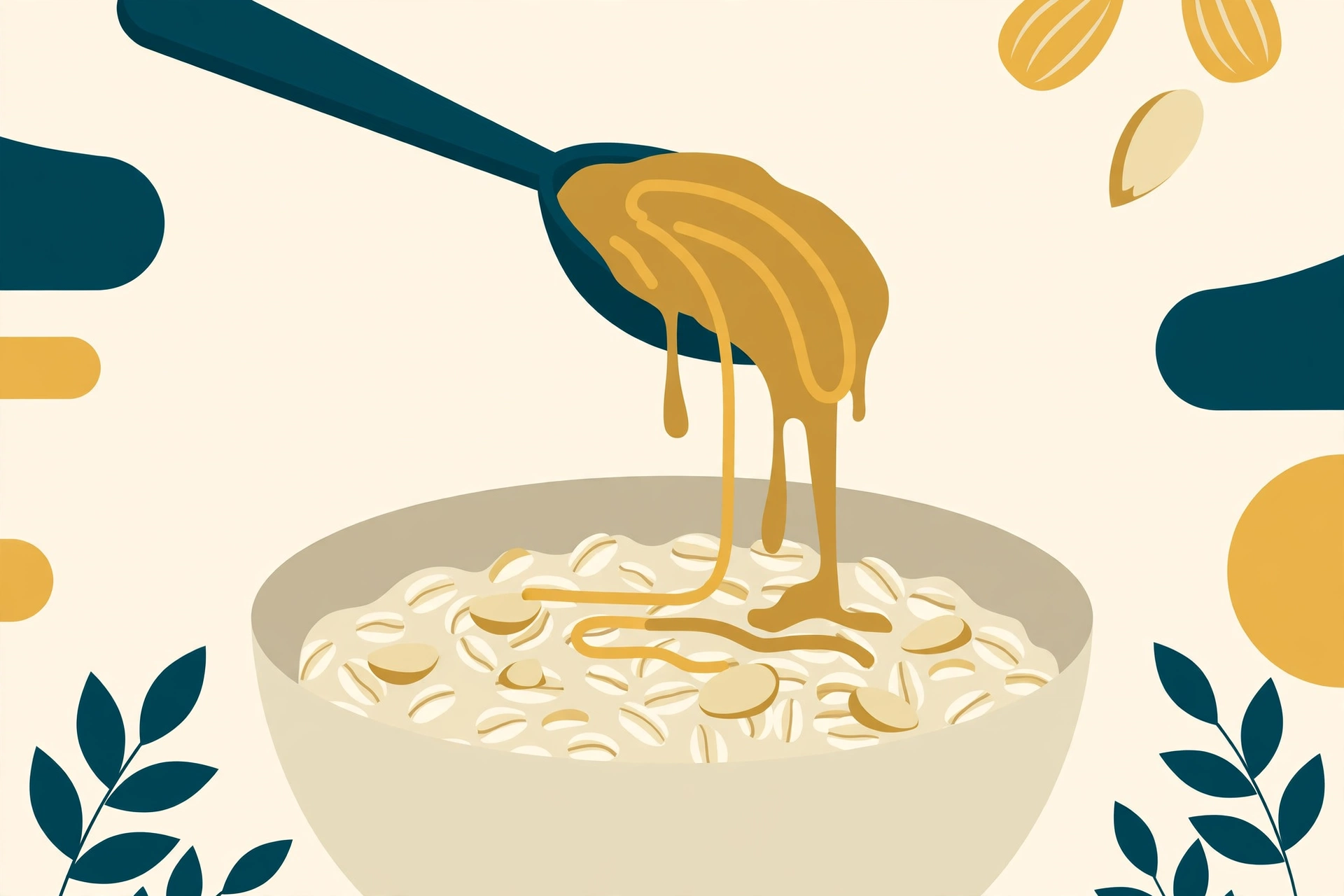
Week 2–3: Nut butters only. From the start of week 2, smooth nut butters are safe — peanut butter, almond butter, and cashew butter, as long as they are completely smooth with no chunks. Stir a spoonful into oatmeal, spread it thinly on soft bread, or blend it into a smoothie. Do not eat whole nuts yet, and do not eat crunchy nut butter. Your sockets are closing, but they are not closed, and a single hard piece can still cause trouble.
Week 3–4: Soft nuts, in small amounts. Around week 3, you can start trying soft nuts — cashews, macadamias, and pistachios without their shells — in small amounts. Chew slowly, chew on the side away from your extraction sites, and rinse gently with warm salt water afterward. If anything hurts, or if pieces keep getting stuck, go back to nut butters for another week. Harder nuts like almonds, hazelnuts, and Brazil nuts should still wait.
Week 4 and beyond: Whole nuts return. By week 4, most people’s sockets have mostly closed, and whole nuts are usually fine. Start with a small handful, chew carefully, and rinse afterward. If you had a difficult extraction, or if your dentist told you healing was slow, wait until week 5 or 6 — and always follow your dentist’s advice over any general timeline.
Everyone heals at a different speed — if you can still see a dark hole where the tooth was, wait a little longer. When in doubt, nut butter is always the safe choice.
Nut Butter: The Safe Alternative
Nut butter is the hero of this story. It gives you all the flavor and nutrition of nuts — protein, healthy fats, and that rich, satisfying taste — with none of the risk. Smooth nut butter has no hard pieces and nothing that can lodge in a socket.
Smooth peanut butter is the easiest option. Stir it into oatmeal for a filling breakfast, spread it thinly on soft white bread, or blend it into a banana smoothie. It is high in protein, which helps your body heal, and it keeps you full for hours. Choose a smooth variety with no added chunks — some brands add small pieces of peanut, so pick one that says “smooth” or “creamy.”
Almond butter is milder and slightly sweeter than peanut butter, works beautifully in smoothies and oatmeal, and is a good choice if you want something a little different. It costs more, but a small jar lasts a long time.
Cashew butter is the creamiest of the three, and it blends into soups and smoothies without changing the flavor much. If you are tired of sweet foods, try stirring a spoonful into a bowl of warm soup.
A few tips: always choose smooth, never crunchy. Eat small amounts at first — a tablespoon is plenty — and spread it thinly rather than eating it by the spoonful, because a thick mouthful is hard to swallow when your jaw is stiff. Rinse gently with warm salt water afterward, since nut butter can leave a film around your teeth. For more soft-food ideas, see our guide to eating oatmeal after wisdom teeth removal, which pairs perfectly with a spoonful of peanut butter. For a full guide to what to eat and when, see our wisdom teeth recovery food timeline.
What to Do If a Piece of Nut Gets Stuck
Even with the best intentions, it can happen — you bite into something, feel a sharp piece slip into a socket, and suddenly there is a small, hard fragment sitting where it should not be. Do not panic, and do not poke at it.
First, rinse gently with warm salt water. Mix about half a teaspoon of salt into a glass of warm water, take a mouthful, and let it flow over the area. Tilt your head toward the affected side so the water reaches the socket, then let it fall out of your mouth. Do not swish hard, and do not spit forcefully — gentle is the key. Repeat a few times and see if the piece comes out on its own.
If it does not come out, do not use your finger, a toothpick, or anything else to dig it out — you could push it deeper or damage the healing tissue. Leave it alone, rinse gently again after your next meal, and see if it works its way out. Most small pieces do.
Contact your dentist if the area becomes painful, swollen, or starts to smell bad, or if the piece is still stuck after a day or two. Your dentist can remove it safely in seconds. Prevention is much easier than removal — one more reason to be careful with nuts in the first place.
FAQs
Can I eat nuts the day after wisdom teeth removal?
No. Whole nuts are one of the riskiest foods in the first week — your sockets are open, the blood clots are fragile, and a single hard piece can get stuck. Wait until week 3 for soft nuts and week 4 for whole nuts. Nut butter is the safe alternative.
Is peanut butter safe after wisdom teeth removal?
Yes, smooth peanut butter is safe from week 2 onward. Stir it into oatmeal, spread it thinly on soft bread, or blend it into a smoothie. Always choose smooth, never crunchy, and rinse gently with warm salt water afterward.
When can I eat almonds after wisdom teeth removal?
Almonds are one of the hardest nuts, so they are among the last to come back — wait until at least week 4, when your sockets have mostly closed. Start with a small amount, chew slowly, and rinse afterward.
Can I eat cashews after wisdom teeth removal?
Cashews are softer than most nuts, so they are one of the first to return — usually around week 3. Eat a small amount, chew on the side away from your extraction sites, and rinse gently afterward. If anything hurts, go back to nut butter for another week.
What about nuts in other foods, like granola or trail mix?
Avoid granola, trail mix, and any food with chopped nuts until at least week 3 — even small pieces can lodge in a socket. Choose a nut-free granola, or make your own with oats and dried fruit, and skip the nuts until you are fully healed.
How do I know when my sockets are closed enough for nuts?
Look in a mirror: if you can still see a dark hole where the tooth was, wait a little longer. When the gum has grown over and the area looks pink and smooth, nuts are usually safe. If you are unsure, ask your dentist — it is always better to wait than to risk an infection.