The first week after wisdom teeth removal is a delicate balance — your body is working incredibly hard to heal, but your ability to eat the foods that normally fuel recovery is significantly limited.
No chewing. No straws. Nothing too hot, too cold, too crunchy, or too chewy. It can feel like there’s nothing left that’s actually worth eating.
But here’s what I want you to understand: what you eat during week one genuinely affects how quickly you heal. Protein, in particular, is the building block of tissue repair — and most people recovering from oral surgery are getting nowhere near enough of it while surviving on applesauce and pudding.
The solution? Soup. Not just any soup — carefully made, protein-rich, smooth, healing soup that nourishes your body without disturbing your recovery.
These recipes are specifically designed for week one post-surgery. Every single one is soft enough to eat safely, nutrient-dense enough to support healing, and — importantly — actually delicious enough to look forward to.
Let’s start with the science, then get straight into the recipes.
Why Protein Matters for Wisdom Teeth Healing
Before the recipes, a brief but important explanation — because understanding why protein matters will motivate you to prioritize it even when eating feels difficult.
Role of Protein in Tissue Repair
When your oral surgeon removes a wisdom tooth, they leave behind a surgical wound that your body immediately begins repairing. This process involves:
- Clot formation — the initial protective layer over the socket
- Granulation tissue development — the early scaffold of healing tissue
- Collagen synthesis — the structural protein that rebuilds soft tissue
- Immune response — white blood cell activity to prevent infection
- Bone remodeling — longer-term repair of the alveolar bone beneath the socket
Every single one of these processes depends heavily on amino acids — the building blocks derived from dietary protein. Without adequate protein intake, your body prioritizes essential organ function over wound healing, and recovery is demonstrably slower.
Protein also supports immune function — reducing your susceptibility to post-surgical infection, which is one of the primary complications following wisdom tooth extraction.
According to research reviewed by the National Institutes of Health, adequate protein intake during surgical recovery is one of the most significant nutritional factors in healing speed and complication reduction.
 Read More: Best Foods After Wisdom Teeth Surgery: Quick Food Guide
How Much Protein You Actually Need During Recovery
Standard daily protein recommendations are typically 0.8 grams per kilogram of body weight for healthy adults. During surgical recovery, this requirement increases significantly.
Most nutrition research on post-surgical recovery suggests 1.2–1.5 grams of protein per kilogram of body weight during active healing — meaning a 70kg (154lb) adult needs approximately 84–105 grams of protein daily in the first week after surgery.
For context: a typical cup of chicken soup might contain 10–15 grams. A cup of Greek yogurt adds 15–17 grams. A blended lentil soup might contribute 12–18 grams per serving.
This means you need to be intentional about hitting that target — snacking on applesauce and jello won’t get you there. The recipes and meal plan in this guide are designed to help you reach it.
Easy Ways to Add Protein Without Chewing
Beyond soups, here are quick protein-boosting additions that require zero chewing:
- Greek yogurt — stir into soups or eat plain between meals
- Protein powder — unflavored varieties blend seamlessly into soups and smoothies
- Silken tofu — blends completely smooth into any soup
- Cottage cheese — blend smooth and stir into cream soups
- Whole eggs — egg drop style or blended into broth-based soups
- Bone broth — sip between meals for collagen and gelatin protein
- Nut butters — blend into smooth soups for added protein and healthy fat
Keep these options in your kitchen throughout week one. Even adding one protein boost per meal meaningfully increases your daily total.

Chicken-Based Protein Soups
 Read More: 25 Easy Soup Recipes for Wisdom Teeth Recovery | Soothing & Nutritious
Chicken is the recovery food of choice for good reason — it’s an excellent complete protein source, blends beautifully smooth, and the broth itself contains healing collagen and electrolytes.
Recipe 1: Creamy Chicken and Rice Soup (Blended)
Protein per serving: approximately 28–32g
Serves: 4 | Prep: 15 min | Cook: 35 min
This is the recovery soup I recommend most for week one — it blends to a perfectly smooth, velvety consistency with no texture issues whatsoever, and the starchy rice helps thicken it to a satisfying, gentle consistency.
Ingredients:
- 400g (14oz) boneless skinless chicken breast or thighs
- 1 litre (4 cups) low-sodium chicken broth
- 60g (⅓ cup) white rice (not brown — softer texture when blended)
- 1 medium carrot, peeled and roughly chopped
- 1 celery stalk, roughly chopped
- 1 small onion, roughly chopped
- 2 garlic cloves, minced
- 1 tablespoon olive oil
- ½ teaspoon dried thyme
- Salt to taste (go light — sodium can cause swelling)
- 2 tablespoons Greek yogurt (optional protein boost — stir in at end)
Method:
- Heat olive oil in a medium saucepan over medium heat. Add onion, carrot, and celery. Cook gently for 5–7 minutes until softened — not browned.
- Add garlic and cook for 1 minute until fragrant.
- Add chicken, rice, broth, and thyme. Bring to a gentle simmer.
- Cover and cook for 25 minutes until chicken is cooked through and rice is completely soft.
- Remove chicken and shred or roughly chop. Return to pot.
- Using a stick blender (or transfer in batches to a regular blender — be careful with hot liquid), blend completely smooth.
- Adjust consistency with additional warm broth if needed. Stir in Greek yogurt for an extra protein boost.
- Allow to cool to a warm (not hot) temperature before eating — heat increases swelling and can disturb the clot.
⚠️ Recovery Note: Always let soups cool to warm — not hot — before eating during week one. Hot foods increase blood flow to the surgical site and can dissolve the protective clot.

Recipe 2: Chicken and Vegetable Soup, Strained Smooth
Protein per serving: approximately 24–28g
Serves: 4 | Prep: 10 min | Cook: 40 min
This version packs in more vegetables for added micronutrients — vitamins C and A both support immune function and tissue repair. Straining ensures an absolutely smooth result with no vegetable fragments that could reach the extraction site.
Ingredients:
- 500g (17oz) chicken pieces (bone-in for richer broth, removed before blending)
- 1.2 litres (5 cups) water or low-sodium chicken broth
- 1 medium sweet potato, peeled and cubed
- 1 medium zucchini, roughly chopped
- 1 carrot, peeled and chopped
- 1 small leek, white part only, sliced
- 2 garlic cloves
- ½ teaspoon ground turmeric (anti-inflammatory benefit)
- Salt to taste
Method:
- Place chicken, broth, and all vegetables into a large pot. Bring to a boil, then reduce to a steady simmer.
- Cook for 35–40 minutes until chicken is falling apart and vegetables are completely soft.
- Remove chicken pieces. Strip meat from bones and return meat to pot. Discard bones.
- Blend completely smooth with a stick blender.
- For the smoothest possible result — particularly important in days 1–3 — strain through a fine mesh sieve, pressing gently to extract as much liquid as possible.
- Reheat gently if needed, cool to warm temperature, and serve.
Why turmeric? Curcumin, the active compound in turmeric, has well-documented anti-inflammatory properties. Adding it to recovery soups is a small but meaningful supportive measure during the inflammatory phase of healing.
Plant-Based Protein Soups
Plant-based proteins are every bit as valuable during recovery — and lentils, split peas, and tofu blend to an exceptionally smooth consistency that’s ideal for week one eating.
 Read More: Food Ideas After Tooth Extraction: Soft Foods for Recovery
Recipe 3: Blended Red Lentil Soup
Protein per serving: approximately 18–22g
Serves: 4 | Prep: 10 min | Cook: 30 min
Red lentils are the ideal recovery legume — they cook down completely soft without soaking, blend to a silky smooth texture, and carry flavors beautifully. This is one of the most comforting soups in the rotation.
Ingredients:
- 250g (1¼ cups) red lentils, rinsed thoroughly
- 1 litre (4 cups) vegetable broth (low sodium)
- 1 medium onion, diced
- 3 garlic cloves, minced
- 1 medium carrot, peeled and chopped
- 1 can (400g) coconut milk — adds creaminess and healthy fat for caloric density
- 1 teaspoon ground cumin
- ½ teaspoon ground turmeric
- ½ teaspoon ground ginger
- 1 tablespoon olive oil
- Salt to taste
- Squeeze of lemon juice (stir in at end — brightens flavor)
Method:
- Heat olive oil in a large saucepan over medium heat. Cook onion for 5 minutes until soft and translucent.
- Add garlic, cumin, turmeric, and ginger. Stir for 60 seconds until fragrant.
- Add red lentils, carrot, and broth. Bring to a boil, then reduce to a steady simmer.
- Cook uncovered for 20–25 minutes, stirring occasionally, until lentils are completely broken down.
- Add coconut milk and stir to combine.
- Blend completely smooth. Adjust consistency with additional warm broth.
- Stir in lemon juice. Cool to warm before serving.
Protein boost option: Stir in 2 tablespoons of tahini before blending — adds 5–6g protein per serving plus healthy fats and calcium.

Recipe 4: Creamy Split Pea Soup
Protein per serving: approximately 16–20g
Serves: 4 | Prep: 10 min | Cook: 50 min
Split peas are extraordinarily protein-dense for a plant food — and they naturally break down into a thick, creamy soup without needing a blender. A quick blend ensures it’s perfectly smooth for week one.
Read More: Best Foods After Wisdom Teeth Surgery: Quick Food Guide
Ingredients:
- 300g (1½ cups) green or yellow split peas, rinsed
- 1.2 litres (5 cups) vegetable or chicken broth
- 1 medium onion, diced
- 2 garlic cloves, minced
- 1 medium potato, peeled and cubed (adds body and creaminess)
- 1 celery stalk, chopped
- 1 tablespoon olive oil
- ½ teaspoon dried thyme
- Salt and white pepper to taste
Method:
- Heat olive oil in a large pot. Cook onion and celery for 5 minutes until softened.
- Add garlic and thyme. Cook 1 minute.
- Add split peas, potato, and broth. Bring to a boil, skim any foam.
- Reduce heat, cover, and simmer for 45–50 minutes until peas are completely soft and starting to dissolve.
- Blend completely smooth. The soup will be naturally thick — thin with warm water or broth to your preferred consistency.
- Cool to warm and serve.
Recipe 5: Miso Soup With Soft Tofu
Protein per serving: approximately 12–15g
Serves: 2 | Prep: 5 min | Cook: 10 min
Miso soup is one of the gentlest, most easily consumed recovery foods available — warm, soothing, mineral-rich, and containing probiotics that support gut health (especially valuable if you’re on antibiotics following surgery).
Ingredients:
- 500ml (2 cups) water or dashi stock
- 2 tablespoons white miso paste (lower sodium than red miso)
- 150g (5oz) silken tofu, cut into very small soft cubes
- 1 spring onion, very finely sliced (optional — omit in days 1–2)
- 1 teaspoon dried wakame seaweed, rehydrated
Method:
- Heat water or dashi to just below boiling — do not boil miso, as heat destroys its probiotic cultures.
- In a small bowl, dissolve miso paste in 3–4 tablespoons of the warm liquid. Whisk smooth.
- Add the dissolved miso back to the pot. Stir gently.
- Add silken tofu pieces. Heat for 2 minutes — very gently.
- Add rehydrated wakame. Serve immediately.
- Cool slightly to warm before consuming.
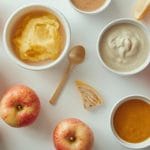 Read More: 27 Soft Foods to Eat After Wisdom Teeth Removal: Food List
💡 Tip Box: Silken tofu is the key here — it’s so soft it requires no chewing whatsoever. Firm or extra-firm tofu is not appropriate for week one recovery.
Egg-Based and Dairy-Based Protein Boosts
Recipe 6: Gentle Egg Drop Soup
Protein per serving: approximately 14–18g
Serves: 2 | Prep: 5 min | Cook: 10 min
Egg drop soup is one of the most protein-efficient recovery foods you can make in under 10 minutes. The silky egg ribbons require no chewing and the broth is soothing and mineral-rich.
Ingredients:
- 500ml (2 cups) good quality chicken or vegetable broth (low sodium)
- 3 large eggs
- 1 teaspoon cornstarch dissolved in 2 tablespoons cold water
- ½ teaspoon fresh ginger, very finely grated
- ½ teaspoon sesame oil (stir in at end)
- Salt to taste
Method:
- Bring broth to a gentle simmer in a medium saucepan. Add ginger.
- Stir in cornstarch mixture — this creates the slightly thickened consistency that makes egg drop soup so gentle to swallow.
- Beat eggs thoroughly in a small bowl.
- Reduce heat to the lowest setting. While stirring the broth slowly in one direction with a spoon, pour the beaten eggs in a thin, steady stream from a height — the slow pour creates the characteristic silky ribbons.
- Stop stirring immediately. Let sit for 30 seconds.
- Add sesame oil. Cool to warm before eating.
Adding Greek Yogurt or Cottage Cheese to Soups
This is one of the most effective protein-boosting techniques for recovery soups — and one of the least known.
Greek yogurt (full-fat) can be stirred into any creamy soup after it has cooled to warm temperature. It adds 4–6g of protein per tablespoon, a pleasant tangy creaminess, and beneficial probiotics. Use it in:
- Blended chicken soup (stir in just before serving)
- Lentil soup (adds beautiful richness)
- Split pea soup (smooths and enriches the texture)
Cottage cheese blended smooth and stirred into cream-based soups adds significant protein — approximately 14g per half cup — with minimal flavor impact. Blend it completely in a food processor first, then stir into warm (not hot) soup.
Protein powder (unflavored whey or plant-based) dissolves well into warm soups and adds 20–25g per scoop with no textural change. This is particularly useful for meeting elevated protein targets during the first few days when appetite is most suppressed.
Sample Week 1 Soup Meal Plan
Here’s a practical day-by-day rotation that balances protein targets, variety, and the specific requirements of each recovery stage.
Day-by-Day Soup Rotation
Day 1 (Most Sensitive — Stick to Liquids)
- Breakfast: Warm bone broth sipped gently (8g protein)
- Lunch: Egg drop soup, well-cooled (14g protein)
- Dinner: Miso soup with silken tofu (12g protein)
- Between meals: Greek yogurt thinned with a little milk (15g protein)
- Daily total: approximately 49g — supplement with protein shake if needed
Day 2
- Breakfast: Creamy chicken and rice soup (28g protein)
- Lunch: Miso with silken tofu (12g protein)
- Dinner: Blended lentil soup (20g protein)
- Daily total: approximately 60g
Day 3
- Breakfast: Egg drop soup + Greek yogurt (30g combined)
- Lunch: Chicken and vegetable strained soup (26g protein)
- Dinner: Creamy split pea soup (18g protein)
- Daily total: approximately 74g
Day 4
- Breakfast: Blended lentil soup with tahini stirred in (26g protein)
- Lunch: Creamy chicken and rice soup (28g protein)
- Dinner: Miso with silken tofu + cottage cheese blended in (22g protein)
- Daily total: approximately 76g
Day 5
- Breakfast: Egg drop soup (14g protein)
- Lunch: Split pea soup + Greek yogurt stirred in (25g protein)
- Dinner: Chicken and vegetable soup (26g protein)
- Daily total: approximately 65g
Day 6–7 (Healing progressing — soft foods expanding)
- Begin introducing soft scrambled eggs alongside soups
- Continue soup rotation for main meals
- Add protein powder to any soup where appetite remains suppressed
- Aim for 80–100g daily total as healing progresses
Balancing Protein, Calories, and Hydration
Recovery nutrition isn’t just about protein — your body needs adequate calories, hydration, and micronutrients to support every aspect of healing.
Calories: Don’t undereat. Many people lose significant calories in week one simply because eating is difficult. Aim for at least 1,500–1,800 calories daily — adding coconut milk, olive oil, tahini, and Greek yogurt to soups helps reach this without additional eating effort.
Hydration: Aim for 8–10 glasses of water or clear fluid daily. Bone broth counts. Herbal tea counts. Avoid carbonated beverages (the bubbles can disturb the clot) and very hot drinks. If you’re taking pain medication, extra hydration helps your kidneys process it more efficiently.
Micronutrients for healing:
- Vitamin C (found in sweet potato, carrot, lemon) — essential for collagen synthesis
- Zinc (found in lentils, chicken, pumpkin seeds blended into soups) — critical for wound healing
- Iron (found in lentils, split peas) — supports oxygen delivery to healing tissue
- B vitamins (found in chicken, eggs, miso) — support cellular repair and energy
For more guidance on what to eat and avoid throughout your full recovery, our comprehensive guide on foods to eat after wisdom teeth removal covers every stage from day one through week two and beyond.
Conclusion
The first week after wisdom teeth removal doesn’t have to mean a week of nutritional deprivation. With a little preparation and the right recipes, you can nourish your body at exactly the level it needs to heal efficiently — and actually enjoy your meals in the process.
Make a double batch of the blended chicken soup and the lentil soup before your surgery if possible — having them ready in the fridge means you’re never stuck on day two wondering what you can eat.
Prioritize protein. Stay hydrated. Keep everything warm rather than hot. And give your body the building blocks it needs to do its incredibly efficient healing work.
You’ll be feeling significantly better by day four or five — and the soups you make this week will be a meaningful part of why.
Wondering what else is safe to eat during recovery? Our guides on best foods to eat after wisdom teeth surgery and soup recipes after wisdom teeth have everything you need to build a complete recovery meal plan.
Frequently Asked Questions
Q: When can I start eating soup after wisdom teeth removal?
Most people can begin eating smooth, warm (not hot) soup within a few hours of wisdom teeth removal, once initial bleeding has slowed and the numbness from anesthesia has worn off. Broth-based soups and smooth blended soups are ideal for days 1–3. Ensure all soups are eaten with a spoon — never use a straw, as the suction can dislodge the blood clot and cause dry socket.
Q: How much protein do I need after oral surgery?
During surgical recovery, protein requirements increase to approximately 1.2–1.5 grams per kilogram of body weight daily — significantly higher than standard recommendations. For a 70kg adult, this means 84–105 grams of protein per day. High-protein soups, Greek yogurt, silken tofu, eggs, and protein powder all help reach this target when solid foods aren’t possible.
Q: Can I eat lentil soup after wisdom teeth removal?
Yes — blended lentil soup is an excellent choice after wisdom teeth removal. Red lentils cook down completely smooth and blend to a silky texture with no chunks or seeds. They’re one of the most protein-dense plant foods available, making blended lentil soup one of the most nutritionally valuable options in a week one recovery diet. Ensure it’s fully blended smooth and cooled to warm before eating.
Q: Is chicken soup good for healing after oral surgery?
Yes — chicken soup is one of the best healing foods after oral surgery. Chicken provides complete protein with all essential amino acids needed for tissue repair. The broth contains collagen, gelatin, and electrolytes that support healing and hydration. Blended completely smooth, it requires no chewing and is gentle on surgical sites. It also tends to be well-tolerated even when appetite is significantly suppressed.
Q: What should I avoid putting in soup during wisdom teeth recovery?
Avoid any soup ingredients that can’t be blended completely smooth in week one. This includes: chunky vegetables or meat pieces, noodles or pasta (can get lodged in sockets), whole grains, seeds, and spicy seasonings that might irritate healing tissue. Also avoid very salty soups (sodium can increase swelling) and hot soups (heat increases blood flow to the surgical site). Stick to smooth, warm, well-blended preparations throughout the first week.
Looking for dental care options? Call to discuss the advertised dental service.
Call Now