If you’re wondering what a wisdom tooth socket looks like when it is flushed out, the answer is usually less dramatic than you might expect: you may see tiny food particles or cloudy saliva rinse away, while the healing socket itself can look like a small hole with a dark red, brown, yellow-white, or pink surface. Appearance alone cannot confirm whether healing is normal or whether an infection is present.
If your dentist or oral surgeon gave you an irrigation syringe, use it only as instructed and at the time they recommended. Do not force water into a fresh extraction site or try to dig debris out with a finger, cotton swab, toothpick, or other object.
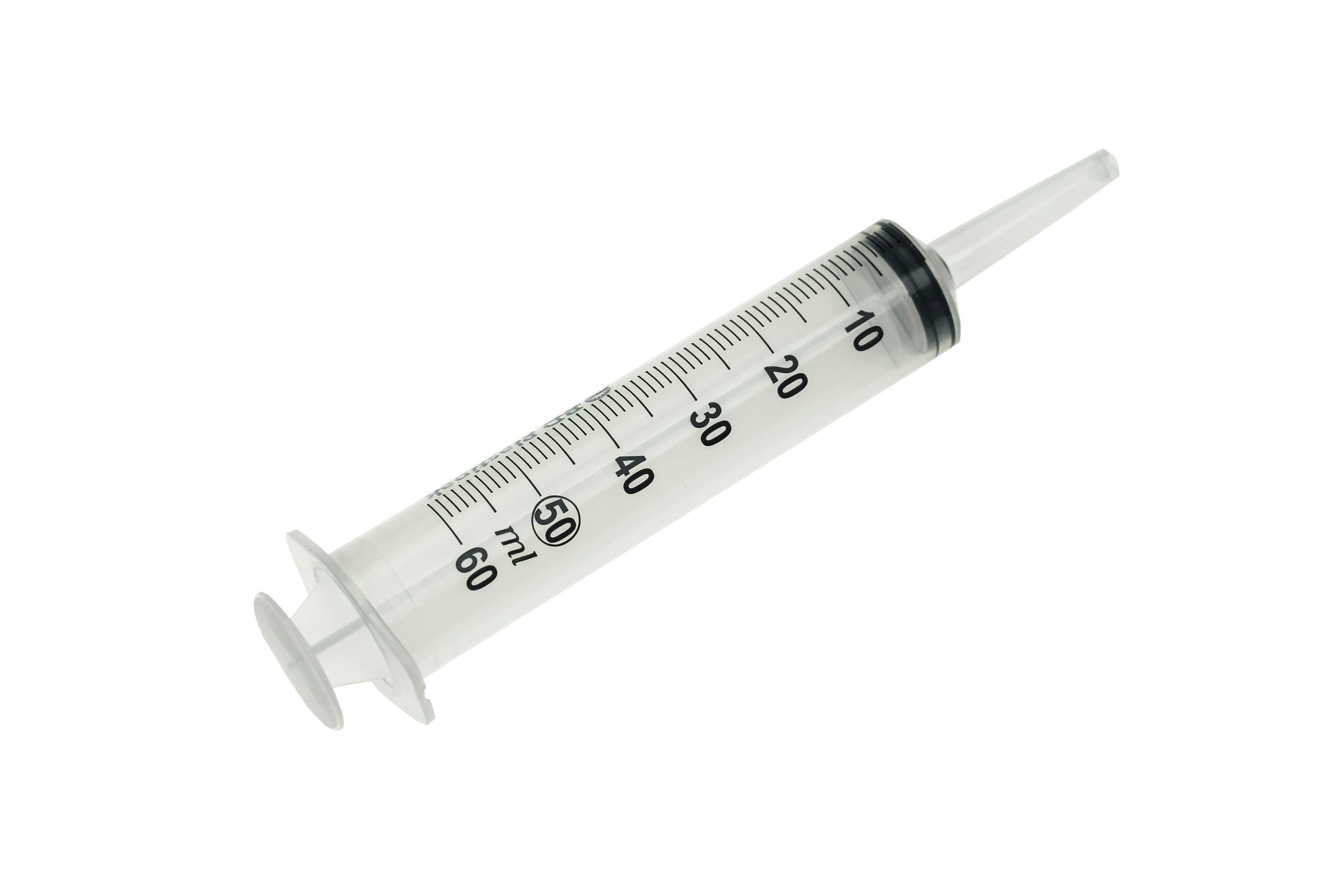
What does a wisdom tooth socket look like when you flush it out?
What you see depends on how long it has been since the tooth was removed, whether the socket is in the upper or lower jaw, and whether your dentist has told you to irrigate it.
- Small food particles: Tiny soft crumbs or bits of food may rinse out, especially from a lower wisdom tooth socket.
- Cloudy or slightly colored water: The rinse may look cloudy from saliva and food debris. A small amount of old blood can tint it pink or light brown.
- A visible hole or pocket: The socket may remain open for weeks while tissue fills in gradually. It does not close instantly after flushing.
- White, cream, or yellowish tissue: Healing tissue and fibrin can appear pale. This is not automatically pus or infection.
- A dark red or brown area: A blood clot or older blood may look dark. Protect the clot, particularly during the first few days.
Do not judge healing by the rinse alone. Increasing pain, swelling, fever, a bad taste with worsening symptoms, or drainage that looks like pus matters more than color by itself.
What should come out when you flush a wisdom tooth socket?
If irrigation has been recommended and you have started it at the correct time, you may see soft food debris wash out. You should not expect a large plug, a tooth fragment, or a solid piece of tissue to come out with every rinse. The blood clot and healing tissue are part of the normal repair process and should not be deliberately dislodged.
Do not keep flushing repeatedly to make the water look perfectly clear. Gentle, instructed cleaning is the goal—not scrubbing the socket or making it look empty.
When can you start flushing after wisdom teeth removal?
Follow the exact schedule provided by your oral surgeon. Many post-operative instructions advise avoiding direct socket irrigation during the first 24 hours, and some surgeons recommend starting a syringe several days after surgery, often around day 5 to 7. The correct timing varies with the procedure and the surgeon’s protocol, so your own instructions take priority.
During the first 24 hours, avoid vigorous rinsing, forceful spitting, and anything else your surgeon warned could disturb the clot. Gentle warm salt-water rinses may be recommended after the first day, but rinsing is not the same as directing a syringe into the socket.
How to flush a wisdom tooth socket safely
- Check your instructions first. Only irrigate if your dentist or oral surgeon has told you to, and only once you have reached the recommended start day.
- Use the recommended solution. Usually this is clean, lukewarm water or another solution specified by your clinician. Do not add peroxide, alcohol, or antiseptics unless specifically directed.
- Position the syringe as taught. Use the prescribed tip and angle. Do not force the tip deep into the socket or press against the healing tissue.
- Rinse gently. Use light pressure and stop if you feel significant pain or resistance. Never use high pressure to dislodge stubborn material.
- Let the water drain out. Avoid forceful spitting. Follow your surgeon’s directions for how often to irrigate.
- Stop if something seems wrong. Contact the dental office if irrigation causes persistent bleeding, sharp or worsening pain, or concerns about the socket.
Is white or yellow stuff in a wisdom tooth hole normal?
Sometimes. A cream or yellow-white layer can be fibrin or healing tissue, and the socket may look pale as it repairs. This appearance alone does not prove that pus is present. Food debris can also look light-colored.
Contact your dentist if you notice thick drainage along with worsening pain, a persistent foul taste or smell, increasing swelling, fever, or feeling unwell. Do not scrape away white or yellow tissue to see what is underneath.
What does an infected wisdom tooth socket look like?
An infection cannot be diagnosed reliably from a photo or color alone. Possible warning signs include:
- Swelling or pain that is getting worse instead of gradually improving.
- Fever, chills, or feeling generally ill.
- Thick pus-like drainage, particularly with worsening symptoms.
- A persistent foul taste or odor together with pain or swelling.
- Increasing difficulty opening your mouth or swallowing.
Seek prompt dental advice for these symptoms. Get urgent medical care if you have trouble breathing or swallowing, rapidly spreading facial or neck swelling, or severe systemic symptoms.
Could it be dry socket instead?
Dry socket commonly causes significant, often throbbing pain that begins or becomes noticeably worse a few days after extraction and may spread toward the ear or temple. The socket may appear partly empty, but appearance is not enough to diagnose it. A bad taste or odor can occur, too, but is not specific to dry socket.
If pain becomes markedly worse after initially improving, contact your oral surgeon. Do not try to treat a suspected dry socket by aggressively flushing the hole; a clinician can examine it and provide appropriate care.
Read more about wisdom tooth infection symptoms and what to do while waiting for a dentist and what happens during impacted wisdom tooth removal.
Frequently asked questions
Should the water be clear after flushing?
Not necessarily. A little cloudiness or tiny food particles can occur. Do not keep irrigating aggressively just to get completely clear water.
Is it normal for food to come out of the socket?
Yes, food debris can collect in an open healing socket. If your surgeon has recommended irrigation and you are at the correct stage of healing, gentle rinsing may remove it. Do not pick at the site.
Can I flush my wisdom tooth hole on day two?
Do not assume it is safe on day two. Many instructions caution against direct irrigation early on, and timing differs by surgeon. Follow the instructions you were given before using a syringe.
What if nothing comes out when I flush it?
That can be normal. You do not need to see debris come out every time, and you should not increase pressure or insert the tip farther to force something out.
When should I call my dentist?
Call if pain or swelling worsens, you develop fever, there is pus-like drainage with other symptoms, bleeding does not settle, or you are unsure how to use the syringe. Trouble breathing or swallowing or rapidly spreading swelling needs emergency care.
The bottom line
A wisdom tooth socket may look like a small hole with dark, pink, or pale healing tissue, and flushing may release tiny food particles or cloudy fluid. These appearances can be normal, but color alone cannot tell you whether the socket is healthy. Irrigate only when instructed, use gentle pressure, protect the clot, and contact your dentist for worsening symptoms or warning signs.
This article is for general education and does not replace instructions from your dentist or oral surgeon.
Looking for dental care options? Call to discuss the advertised dental service.
Call Now