If you’ve ever felt a twinge of dread scrolling through wisdom teeth surgery horror stories online—tales of endless pain, unexpected infections, or worse—you’re not alone; millions search for these every year to prepare for the unknown, but what truly empowers you is turning those nightmares into actionable prevention strategies that can make your experience worlds apart from the worst-case scenarios.
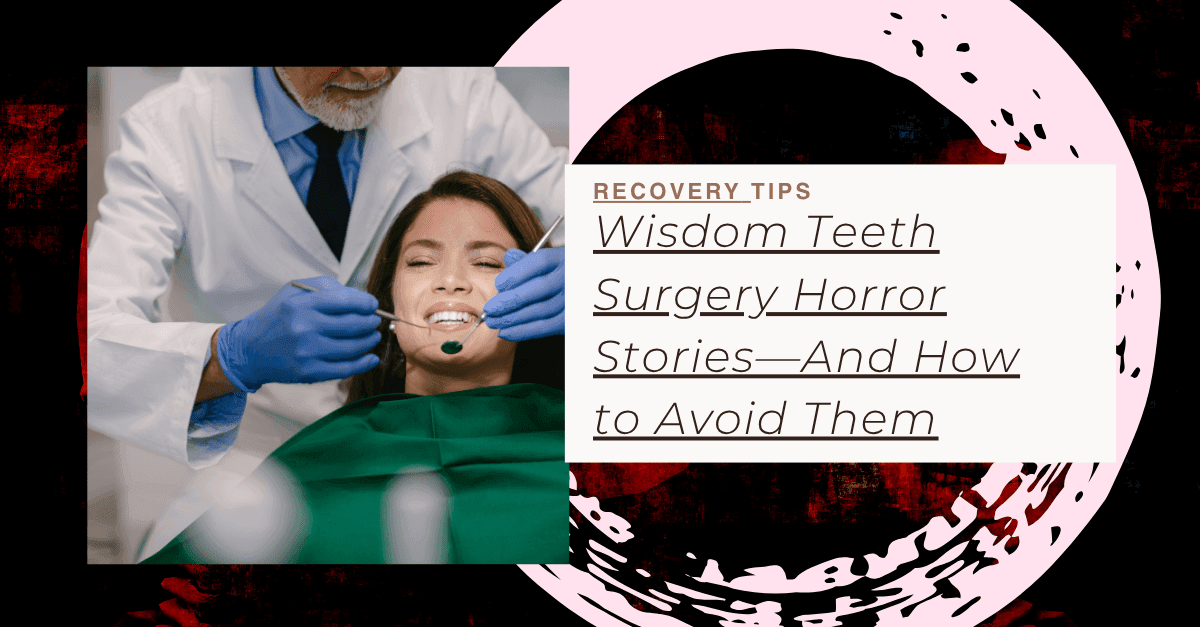
The Reality Behind Wisdom Teeth Surgery Fears
Wisdom teeth extraction is routine, with over 5 million procedures yearly in the U.S., but complications affect about 8.4% of cases, often due to factors like smoking or poor aftercare. While most recoveries are smooth, horror stories amplify rare risks, creating unnecessary anxiety. This guide separates myth from fact, sharing authentic accounts while arming you with avoidance tactics to minimize issues.
Why Horror Stories Happen: Common Triggers
Horror stories often stem from:
- Impacted Teeth: When teeth grow sideways, increasing surgical complexity.
- Patient Factors: Age over 25, smoking (boosts dry socket risk by 40%), or pre-existing health issues.
- Post-Op Neglect: Ignoring instructions leads to 70% of complications like infections.
Chilling Horror Stories from Real Experiences
Drawing from patient forums, social media, and medical reports, these stories highlight what can go wrong—but remember, they’re outliers, affecting less than 10% of cases.
Story 1: The Infection Nightmare – A Teen’s Hospital Ordeal
Kylie, a 17-year-old from Indiana, thought her wisdom teeth removal was straightforward. But a rare bacterial infection (Lemierre syndrome) struck post-surgery, causing severe swelling, fever, and an 11-day hospital stay. “It started as normal swelling, but by day two, I couldn’t breathe right—it felt like my throat was closing,” she recalls. Infections like this hit 1-2% of patients but escalate quickly without prompt care.
Story 2: Awake Extraction Agony – No Anesthesia Horror
James, a 30-something from Canada, opted for local freezing only to save costs. “The dentist drilled my impacted tooth into pieces while I felt every yank—it was brutal, like my jaw was being ripped apart,” he shared on X. Without full sedation, pain intensified, leading to weeks of soreness. Awake procedures amplify trauma, with studies showing higher stress and pain levels.
Story 3: Nerve Damage Debacle – Lingering Numbness
Mila, a 6-foot model, endured impacted wisdom teeth that caused blackouts from pain before surgery. “They couldn’t remove all four at once; now I have numbness in my lip that lasted months—it changed how I smile,” she posted. Nerve damage affects 0.5-3% long-term, often from teeth near nerves.
Story 4: Dry Socket Disaster – Endless Throbbing Pain
Adam, a content creator, described his emergency removal: “Fully awake, they broke my jaw slightly to extract—couldn’t open my mouth for two weeks, and the pain was worse than imagined.” Dry socket, hitting 2-5%, exposed bone and caused throbbing ear pain for days.
Real-Life Insight: These tales, like Mariela’s curved-root extraction that shocked surgeons, show how unusual anatomy can complicate things. But they’re preventable with preparation.
Common Complications: What Goes Wrong and Why
Understanding risks helps you spot issues early. Here’s a breakdown:
Dry Socket: The Most Feared Pain
Occurs in 4-5% of cases when the blood clot dislodges, exposing bone.
- Symptoms: Severe throbbing, bad breath, pain radiating to ear (days 3-5).
- Risk Factors: Smoking, straw use, vigorous rinsing.
Infection and Swelling: Silent Escalators
Affects 1-2%; signs include fever, pus, prolonged swelling.
- Pros & Cons of Antibiotics:TypeProsConsPreventiveReduces infection risk by 50%Antibiotic resistance if overusedPost-InfectionClears bacteria quicklySide effects like nausea
Nerve Damage and Bleeding: Rare but Serious
Temporary in 1-3%, permanent in <0.5%; excessive bleeding in <1%.
Other Issues: Jaw Stiffness, Sinus Problems
Limited opening (trismus) in 40%; sinus exposure if upper teeth are involved.
How to Avoid These Horrors: Expert Prevention Strategies
Arm yourself with these step-by-step guides to sidestep complications.

Pre-Surgery Prep: Set the Stage for Success
- Choose Wisely: Opt for an experienced oral surgeon; 3D imaging reduces nerve risks by 30%.
- Health Check: Quit smoking 2 weeks prior; disclose meds to avoid interactions.
- Expert Tip: Get extracted young (teens-early 20s) for 50% faster healing.
During Surgery: Minimize Intra-Op Risks
- Anesthesia Choices: Sedation or general for complex cases—avoids awake trauma.
- Comparison Table: Anesthesia Options:OptionBest ForRisk LevelLocalSimple extractionsLow pain controlIV SedationImpacted teethModerate, reduces anxietyGeneralAll four teethHigher cost, but zero awareness
Post-Surgery Care: The Key to Complication-Free Recovery
Follow this guide religiously. For practical aftercare, see our guides on when you can use a straw after wisdom teeth removal and when you can brush your teeth after wisdom teeth removal:
- Rest and Ice: Elevate head, ice 20 min on/off for 48 hours to cut swelling 50%.
- No-No’s: Avoid straws, smoking, spitting—dry socket culprits.
- Diet Plan: Soft foods (yogurt, broth) days 1-3; add solids week 2.
- Bullet-Proof Hygiene: Saltwater rinses after 24 hours; brush gently.
- Pain Management: Ibuprofen + acetaminophen rotation; watch for fever >101°F.
Real-Life Tip from Emily: “I ignored no-straws advice and got dry socket—throbbing pain for a week. Now I tell everyone: follow the rules!”
Myths Busted: Don’t Fall for the Hype
- Myth: All removals are painful horrors. Fact: 90% are complication-free with proper care.
- Myth: Older age means disaster. Fact: Safe at any age, though healing slows.
- Myth: Dry socket is inevitable. Fact: Preventable in 95% with avoidance steps.
FAQs: Your Top Questions Answered
- What’s the worst complication? Dry socket—intense pain, but treatable with medicated packing.
- How to prevent infection? Antibiotics if high-risk; keep site clean.
- Can I smoke after? No—wait 72 hours min; raises risks dramatically.
- When to call the doctor? Fever, uncontrolled bleeding, or worsening pain after day 3.
- Is sedation worth it? Yes, for anxiety or complex cases—reduces perceived horror.
In the end, wisdom teeth surgery doesn’t have to be a horror story; with smart prep and diligent care, you can join the vast majority who recover without a hitch. Schedule a consultation with your oral surgeon today to discuss your personalized plan—peace of mind starts with that first step. You’ve got this!
Looking for dental care options? Call to discuss the advertised dental service.
Call Now