Wisdom teeth recovery can bring soreness, swelling, jaw stiffness, and questions about what is normal. This guide focuses on symptoms, practical aftercare, and warning signs. For a detailed healing-time estimate, see our wisdom teeth recovery timeline guide.
If you have wisdom teeth removal coming up, or you are currently recovering and wondering whether what you are experiencing is normal, this guide is for you. Recovery experiences vary, and symptoms can change during the first several days. Knowing the usual healing stages can help you plan, care for the area, and recognize when to contact your dental team.
This guide focuses on recovery symptoms, practical aftercare, and warning signs that may need dental attention. For a focused estimate of how long healing takes and how long symptoms may last, see our wisdom teeth recovery time and timeline guide. Healing varies with the complexity of the extraction and your individual health, so follow the specific instructions provided by your dental team.
Related recovery guides: when you can brush your teeth after wisdom teeth removal, when you can go back to work, and when you can use a straw again.
What Can Affect Your Recovery?
Recovery varies with the position of the tooth, the complexity of the extraction, and your individual healing. Follow the instructions from your dentist or oral surgeon, and do not use a general timeline as a substitute for personalised advice. For day-by-day healing estimates, read our dedicated wisdom teeth recovery time guide.
Here is a realistic breakdown by tissue type:
- 3–5 days: Initial comfort and daily function often improve, though recovery varies.
- 7–10 days: Many people feel substantially better; some swelling or tenderness may remain.
- Several weeks: Gum tissue continues closing; timing varies by extraction and patient.
- Several months: Bone remodeling continues beneath the gum as part of normal healing.
Most people focus only on the first week. But bone healing continues invisibly for months after, which is why good oral hygiene around the site remains important even when you feel completely fine.
 Read More: Wisdom Teeth Food Timeline: What to Eat Each Day After Surgery
Factors That Affect How Fast You Heal
No two recoveries are identical. These factors have the biggest influence on how quickly you bounce back:
- Age: Root development and bone characteristics can affect extraction complexity. Healing varies; age alone does not determine an individual’s recovery time.
- Impaction complexity: Removing an impacted tooth may require a surgical approach and can involve a longer recovery than a straightforward extraction.
- Number of teeth removed: Having several teeth removed may affect comfort, eating, and recovery needs; the experience differs by patient and procedure.
- Smoking: Tobacco use increases complication risk and can interfere with healing. Avoid smoking throughout recovery and follow your surgeon’s specific advice about stopping before and after surgery.
- Following post-operative instructions: Follow your surgeon’s directions for medicines, oral hygiene, diet, and activity to support healing and reduce avoidable complications.
- Overall health: Conditions and medicines may affect treatment or healing. Tell your dental team about your medical history and all medicines before surgery.
Day-by-Day Recovery Timeline
Use this section as your reference guide throughout recovery. Bookmark it and come back to the relevant day whenever you want to check whether what you are experiencing is normal.
Surgery Day (Day 0): Rest and Protect the Clot
The single most important thing you can do on surgery day is protect the blood clot that forms in each extraction socket. This clot is the foundation of all healing that follows. If it is dislodged, you will develop a painful condition called dry socket that significantly delays recovery.
What to expect:
- Your mouth will be numb for 3–4 hours after surgery — take your first pain medication before the numbness wears off, not after
- Light bleeding and oozing is normal for the first few hours
- Slight dizziness or grogginess if you had sedation
What to do:
- Bite firmly on gauze pads for 30–45 minutes. Change when soaked, repeat if bleeding continues.
- Apply ice packs to your cheeks: 20 minutes on, 20 minutes off. Do not apply ice while sleeping.
- Keep your head elevated above your heart — prop yourself up on pillows when resting.
- Eat soft, cool foods: yogurt, smoothies (no straw), ice cream, cold soup, mashed potato.
- Drink plenty of water by sipping gently, not gulping.
What to avoid absolutely:
- Straws — the suction dislodges the clot
- Spitting forcefully
- Rinsing your mouth — do not start saltwater rinses yet
- Hot foods or drinks
- Smoking or vaping
 Read More: Best Foods After Wisdom Teeth Surgery: Quick Food Guide
Day 1: Soreness Arrives
As the anaesthetic wears off, soreness sets in. This is expected and manageable. Most people describe Day 1 as uncomfortable but not unbearable when medication is taken correctly.
What to expect:
- Pain ranging from mild to moderate — controlled well with ibuprofen
- Swelling begins developing on the cheeks and jaw
- Pink or slightly bloodied saliva when standing or talking — normal
- Jaw stiffness beginning to develop
- Fatigue — your body is working hard to heal
Ibuprofen or paracetamol?
Ibuprofen can help reduce pain and inflammation after wisdom tooth removal, and paracetamol (acetaminophen) is also commonly used. Follow the dose and timing on the product label or your dentist’s instructions; do not exceed the recommended dose or combine products containing the same medicine. Ask your dentist or pharmacist before taking ibuprofen if you have a history of stomach ulcers, kidney disease, take blood thinners, are pregnant, or have been told to avoid anti-inflammatory medicines. Your own medical history and the procedure determine which pain relief is appropriate.
Continue soft cool foods. Keep head elevated when sleeping. Rest is the most important thing you can do today.
Days 2–3: Peak Swelling and Discomfort
Days 2 and 3 are typically the most challenging. Swelling reaches its maximum at 48–72 hours, and pain is usually at its peak. This is normal and expected — it is not a sign that something has gone wrong.
What to expect:
- Significant facial swelling — cheeks may appear very puffy on both sides if multiple teeth were removed
- Bruising appearing on the cheeks or jaw — typically darkens over Days 2–3 before fading over the following week
- Jaw stiffness (trismus) making it difficult to open your mouth fully
- A raised temperature can occur for different reasons, but fever—especially with worsening pain, increasing swelling, pus, or feeling unwell—should not automatically be treated as normal. Contact your dentist or oral surgeon promptly for advice.
What changes on Day 3:
- Switch from cold to warm after 48 hours. After the first two days, switch from ice packs to a warm compress held against your cheek. Warmth promotes blood circulation and helps reduce residual swelling.
- Start gentle saltwater rinses. Begin 24 hours after surgery — not immediately. Dissolve half a teaspoon of table salt in a glass of warm water and rinse gently 2–3 times daily. No vigorous swishing.
Dry Socket Warning: The High-Risk Window (Days 3–5)
Pain from wisdom teeth removal should improve from Day 3 onwards. If your pain is getting WORSE rather than better from Day 3, this is the primary warning sign of dry socket.
Check for these symptoms:
• Throbbing, radiating pain that is worsening from Day 3
• Visible empty-looking socket — no clot visible, exposed bone
• Persistent bad taste or foul smell from the socket
• Pain radiating to your ear or temple
Dry socket occurs when the blood clot is lost or breaks down before the socket has healed, exposing sensitive tissue and causing significant pain. It needs prompt dental assessment and treatment. Contact your dentist or oral surgeon the same day if you suspect dry socket. They can examine and gently clean the area and may place a medicated dressing for pain relief; treatment depends on the clinical findings.
 Read More: 27 Soft Foods to Eat After Wisdom Teeth Removal: Food List
Days 4–5: Turning the Corner
By Day 4, most patients notice a genuine improvement. The worst is typically behind you.
What to expect:
- Swelling beginning to reduce noticeably
- Bruising darkening then starting to fade — yellow-green bruising as it resolves is completely normal
- Pain manageable with over-the-counter ibuprofen alone
- Jaw stiffness gradually improving — mouth opening wider each day
- A white or yellowish film forming over the socket
The white film in your socket is normal
By Day 3–5, you may notice a white or yellowish covering forming over the extraction site. This is fibrin — a normal protective tissue that your body lays down over the healing socket. It is not pus and is not a sign of infection. It looks similar to a canker sore. Leave it alone and continue gentle rinsing.
Food: you can now expand to soft solids — scrambled eggs, soft pasta, mashed sweet potato, avocado, soft-cooked vegetables. Still avoid anything hard, crunchy, chewy, or that requires significant biting force.
Days 6–7: Near-Normal Function Returns
By the end of the first week, most people are operating close to normally for daily life, with some residual tenderness around the surgical sites.
- Swelling mostly or entirely resolved
- Bruising fading significantly
- Minimal pain — occasional mild soreness only when touching the area or eating harder foods
- Dissolvable stitches beginning to loosen and fall out — this is expected
- Mouth opening continuing to improve
- Most desk job workers can return to work
Continue saltwater rinses 2–3 times daily. Maintain gentle oral hygiene around the socket. Avoid the suction from straws for at least 7 days.
Week 2: Almost Back to Normal
Week 2 brings welcome relief for most patients. The face returns to its normal appearance, and daily life feels essentially normal again.
- Face looks the same as before surgery
- Gum tissue beginning to close over the socket
- Any remaining stitches dissolved or removed at your follow-up appointment
- Diet expanding toward normal — most soft and semi-soft foods are comfortable
- Light exercise cleared — walking, cycling at low intensity, swimming
Your follow-up appointment typically occurs 1–2 weeks after surgery. Even if you feel completely well, attend it. Your dentist needs to confirm that healing is progressing correctly and that there are no signs of infection or incomplete healing.
Continue to avoid very hard, crunchy, or chewy foods — nuts, crusty bread, raw carrots, popcorn, and similar items that could disturb the healing socket.
 Read More: 25 Easy Soup Recipes for Wisdom Teeth Recovery | Soothing & Nutritious
Weeks 3–8: The Healing Nobody Talks About
This is the stage most recovery guides ignore entirely. You feel normal, life has resumed, and yet your body is still actively healing in ways you cannot see or feel.
What is happening:
- The socket hole gradually closes as gum tissue grows across it. Full closure typically occurs by Week 6–8 for simple extractions, and up to 12 weeks for complex surgical cases.
- Bone remodelling fills in the socket from the bottom up. New bone grows progressively to replace the space left by the tooth root. This is not noticeable but is detectable on X-ray.
- The surrounding bone and gum tissue reach their final healed state over 3–6 months.
What you should still do during this period:
- Maintain excellent oral hygiene around the healing site — gentle brushing and continued rinsing
- Avoid forcefully directing food or water into the socket
- Use an oral syringe (if provided) to gently flush the socket if food becomes trapped during the first 4–6 weeks
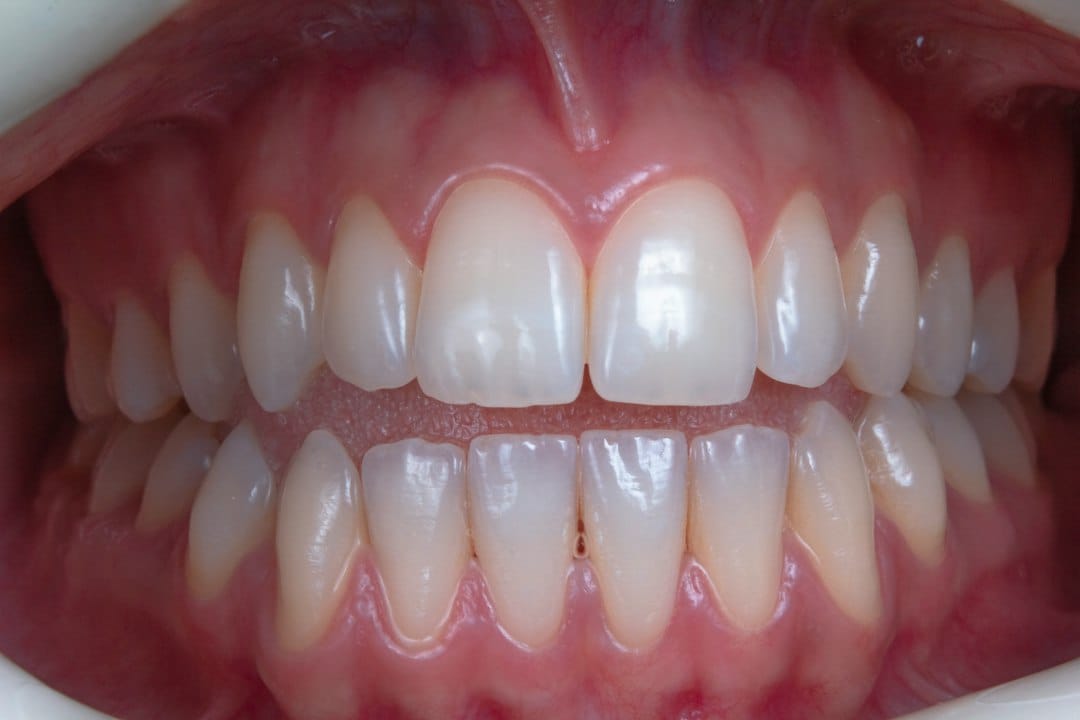
Visual Healing Stages: What Your Socket Should Look Like
One of the most common sources of anxiety during recovery is not knowing whether the extraction site looks normal. Here is what to expect visually at each stage:
| Stage | What you see | What you feel | What it means |
| Day 0–2 | Blood clot in socket. Dark red. Possible minor bleeding. | Numbness then soreness. Swelling beginning. | Normal. Clot is forming — protect it. |
| Day 3–5 | White or yellow film over socket (fibrin layer). | Peak swelling Day 2–3. Pain starting to ease. | Normal. Fibrin is protective tissue, not pus. |
| Day 6–14 | Gum tissue starts closing over socket. Bruising fades. | Minimal pain. Swelling mostly resolved. | Healing on track. Socket closing well. |
| Week 3–8 | Socket hole closing. May still feel slightly indented. | No pain. Normal function returning. | Gum fully closes by Week 6–8. |
| 3–6 months | No visible change externally. | Nothing — you feel completely normal. | Bone remodelling continues invisibly. |
Important
If you see pus (thick, cloudy, foul-smelling discharge), rapidly spreading redness, or severe swelling after Day 5 rather than improving swelling, contact your dentist promptly. These are signs of infection, not normal healing.
 Read More: Can You Eat Before Wisdom Teeth Removal? Pre- and Post-Surgery Guide
Return to Normal: Activity Clearance Table
The most frequently asked questions after surgery all follow the same pattern: “when can I do X?” This table answers all of them in one place. Timings are for standard surgical extractions. Add 3–5 days for all-four impacted extractions.
| Activity | Earliest safe | Typical safe | Notes |
| Straws | Day 7 | Day 7–10 | Suction dislodges blood clot → dry socket |
| Driving | Day 1–2 | Day 2 | Once off sedatives/strong painkillers |
| Soft foods | Day 0 | Immediate | Yogurt, smoothies, cold soup — start straight away |
| Semi-soft foods | Day 4–5 | Day 5 | Scrambled eggs, soft pasta, mashed potato |
| Solid foods | Week 2 | Week 2–3 | Introduce gradually; avoid hard/crunchy foods |
| Desk work / study | Day 2–3 | Day 3 | Once pain is manageable without heavy medication |
| Physical job | Day 5–7 | Day 7 | Any job involving bending, lifting or straining |
| Light walking | Day 2 | Day 2–3 | Short walks are fine and aid circulation |
| Cardio / running | Day 5–7 | Day 7 | Increased blood pressure risks dislodging clot |
| Weightlifting | Week 2 | 2 weeks | Heavy straining raises blood pressure significantly |
| Alcohol | Day 7 min. | Week 2 | Slows healing, interacts with pain medication |
| Smoking | Week 2 min. | Avoid if possible | Strongly increases dry socket risk; delays healing |
| Kissing | Day 2–3 | Day 3 | Gentle only — no suction |
7 Tips to Speed Up Your Recovery
These are the actions that have the most meaningful impact on healing speed and comfort:
- Use pain medicine only as directed: Ask your surgeon when to begin prescribed or recommended pain relief. Do not take ibuprofen or other medicines unless they are appropriate for you and consistent with your clinician’s instructions.
- Use cold packs carefully: A wrapped cold pack may help during the first 48–72 hours. Follow your surgeon’s instructions; never place ice directly on skin or sleep with an ice pack. Moist heat after about 72 hours may help jaw soreness.
- Rest comfortably: Rest during the first few days. Your surgeon may recommend keeping your head elevated if it helps with comfort or swelling.
- Rinse gently when instructed: Avoid vigorous rinsing during the first day. After that, gentle warm saltwater rinses may be recommended; follow your surgeon’s timing and directions.
- Eat protein-rich soft foods: Options such as Greek yogurt, scrambled eggs, blended lentil soup, soft tofu, and smoothies can provide protein while requiring little chewing. Choose foods that fit your surgeon’s diet instructions.
- Avoid straws, smoking, and alcohol: These can interfere with clot stability, healing, or medication safety. Follow your oral surgeon’s advice on how long to avoid each; do not drink alcohol while taking medicines that interact with it.
- Stay hydrated: Sip water regularly as tolerated, unless your clinician has given you fluid restrictions.
Warning Signs: When to Call Your Dentist
Most recoveries are straightforward. But knowing the difference between normal discomfort and a genuine complication is important. Contact your dentist promptly if you experience:
- Pain that is getting worse from Day 3 onwards, rather than improving
- Visible empty socket with no clot, accompanied by a bad taste or smell (dry socket)
- Fever above 38°C (101°F)
- Swelling that increases or spreads after Day 3, rather than decreasing
- Pus or thick discharge from the extraction site
- Numbness that persists beyond 24 hours after surgery
- Difficulty swallowing, breathing, or opening your mouth (beyond normal jaw stiffness)
Seek emergency care immediately if:
• Swelling is spreading rapidly to the neck, floor of the mouth, or chest
• You have difficulty breathing or swallowing
• You have a high fever (above 39°C / 102°F) alongside rapid facial swelling
These symptoms may indicate a spreading infection (Ludwig’s angina) which requires urgent hospital treatment.
 Read More: Wisdom Tooth Extraction: Complete Guide to Procedure, Recovery, Food & Aftercare
Frequently Asked Questions
Q: How long after wisdom teeth removal can I eat normally?
Most people can eat soft solids by Days 4–5 and near-normal foods by Week 2. Hard, crunchy, or chewy foods should be avoided for at least 2 weeks to prevent disturbing the healing socket. Reintroduce foods gradually according to your comfort — if it hurts, wait another day or two.
Q: When does swelling peak after wisdom teeth removal?
Swelling typically peaks at 48–72 hours after surgery, then gradually decreases from Day 3 onwards. Apply ice packs (20 minutes on, 20 off) for the first 48 hours, then switch to a warm compress from Day 3 to help resolve remaining swelling.
Q: What does a normal healing socket look like?
Days 0–2: a dark red blood clot in the socket. Days 3–5: a white or yellowish fibrin film forms — this is protective tissue, not pus. Week 2: gum tissue starts to close over the socket. Weeks 6–8: full gum closure. The socket will feel slightly indented until bone remodelling fills it in over the following months.
Q: When can I exercise after wisdom teeth removal?
Light walking from Day 2–3 is fine. Moderate cardio should wait until Days 5–7. Heavy weightlifting and intense training should be avoided for at least 2 weeks. Strenuous activity raises blood pressure, which increases bleeding risk and can dislodge the clot.
Q: How do I know if I have dry socket?
Dry socket typically develops on Days 3–5. The key warning sign is pain that gets worse rather than better after Day 3 — particularly a deep, throbbing, radiating ache. You may also notice a visible empty socket, a persistent bad taste, or foul breath. Contact your dentist the same day — dry socket is treated quickly and effectively with a medicated dressing.
Q: Can I go to work the day after wisdom teeth removal?
For desk-based work, most people can return in 2–3 days once pain is controlled with standard pain relief. For physical jobs involving lifting, bending, or sustained exertion, wait at least 5–7 days. If you had all four wisdom teeth removed or had impacted extractions, allow additional time.
Medical disclaimer: The information in this article is for general educational purposes only and does not constitute medical or dental advice. Always consult a qualified dental professional for personalised diagnosis and treatment. Do not delay seeking professional help on the basis of information read online.
Further reading: AAOMS: Wisdom Tooth Extraction Postoperative Instructions · AAOMS: Healing After Wisdom Teeth Extractions · NHS: Wisdom tooth removal. Follow your own dentist or oral surgeon’s instructions, which take priority over general online guidance.
Looking for dental care options? Call to discuss the advertised dental service.
Call Now