Most people can start gentle toothbrushing again about 24 hours after wisdom teeth removal, but “brushing normally” around the extraction site usually takes a few more days. The key difference is between cleaning the teeth away from the wound and brushing directly around the healing socket. Your oral surgeon’s instructions should always take priority because the timing can vary with the difficulty of the extraction, stitches, and your healing.
During the first 24 hours, the priority is protecting the blood clot that forms in the socket. After that, oral hygiene becomes increasingly important, but the extraction area still needs gentle treatment.
Quick Answer: When Can You Brush Normally?
| Time after removal | What to do |
|---|---|
| First 24 hours | Do not brush directly over the extraction site. Follow your surgeon’s instructions about whether to brush other teeth. |
| After 24 hours | Usually resume gentle brushing. Keep bristles away from the socket and stitches, and avoid vigorous rinsing or spitting. |
| Days 2–3 | Continue careful brushing. You can usually clean a little closer to the area as tenderness allows, but do not scrub the wound. |
| Days 4–7 | Many people can gradually return toward their normal brushing routine, while still being cautious around the socket. |
| After about 1 week | If healing is progressing normally, brushing around the area is often much easier. Follow your dentist or surgeon’s advice if the site remains tender or has stitches. |
There is no universal “back to normal” day. Some people feel comfortable brushing normally within several days, while a more complicated extraction may require longer around the surgical area.
Why You Should Not Brush the Extraction Site Immediately
After a wisdom tooth is removed, a blood clot develops inside the socket. That clot helps protect the underlying tissue while the area heals. The first day is therefore a period when you want to avoid actions that could disturb the surgical site.
That is why postoperative instructions commonly advise avoiding rinsing, forceful spitting, or disturbing the area during the first 24 hours. A dislodged clot can contribute to bleeding and may increase the risk of dry socket.
This does not mean you should ignore oral hygiene for several days. Once your surgeon says it is appropriate, gentle cleaning helps keep plaque and food debris under control while the mouth heals.
How to Brush After Wisdom Teeth Removal
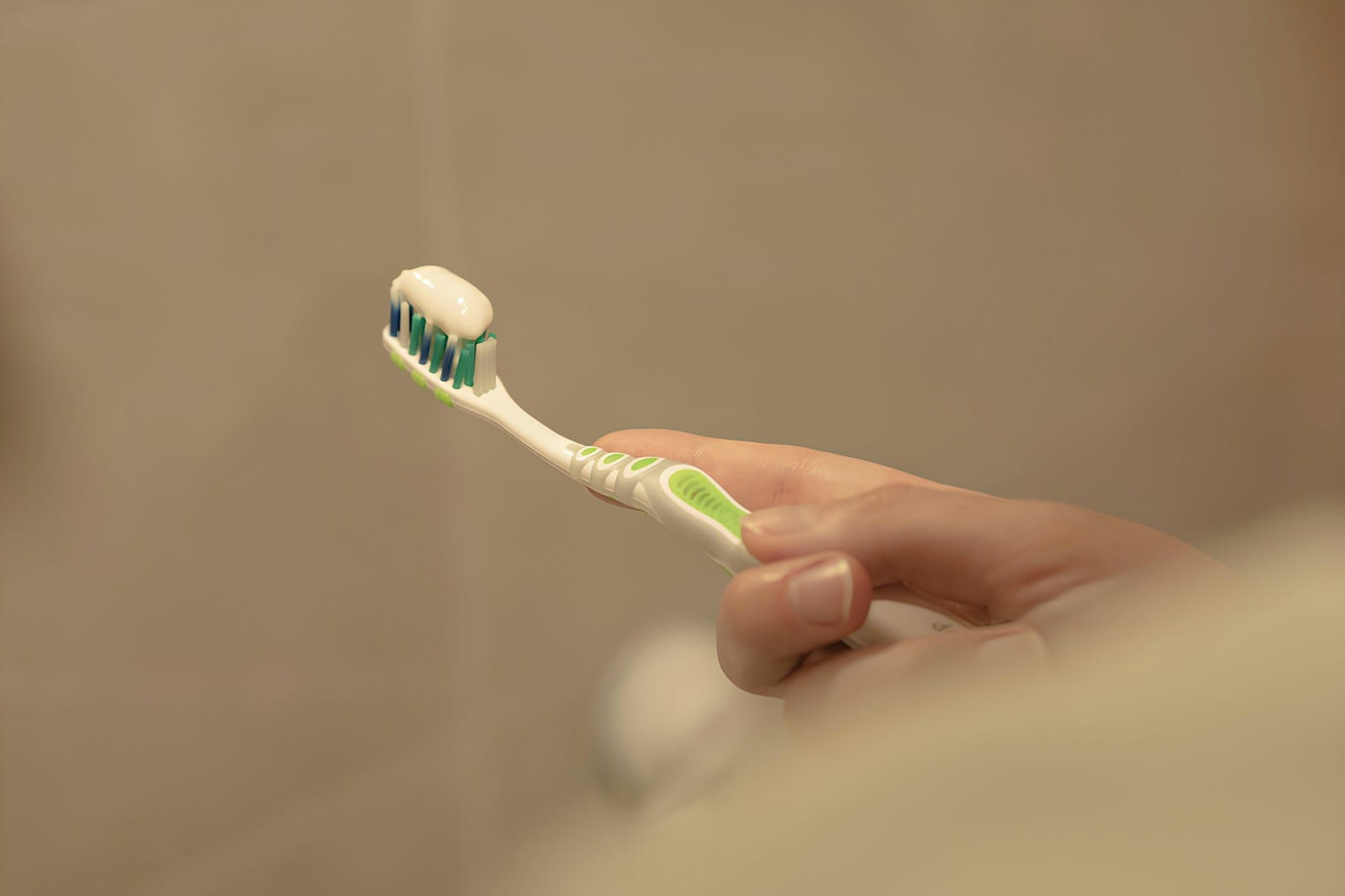
1. Use a soft-bristled toothbrush
A soft toothbrush gives you better control and is less likely to irritate tender gums. There is usually no need to switch to an aggressive or extra-hard brush during recovery.
2. Start with the teeth farthest from the surgical site
Brush the front teeth and the teeth on the opposite side first. This lets you clean your mouth without immediately working around the most sensitive area.
3. Use gentle strokes near the back of your mouth
As healing progresses, gradually clean the teeth near the extraction site. Keep the bristles on the tooth surfaces and avoid pushing them into the socket.
4. Do not scrub stitches or the socket
If you have stitches, do not deliberately brush back and forth over them unless your dental professional has specifically told you to do so. A little distance from the wound is safer during the early healing period.
5. Be careful when you finish brushing
During the first day, avoid forceful spitting and rinsing. After 24 hours, your dental team may recommend gentle warm salt-water rinses, especially after meals. Let the rinse move gently around the mouth rather than aggressively swishing.
When Can You Brush the Back Teeth Normally?
This is the part many people mean when they ask when they can “brush normally.” The answer is usually once the area is comfortable enough to tolerate gentle brushing and your surgeon has said normal cleaning is appropriate.
For many uncomplicated extractions, careful brushing can resume around the teeth near the site after the first 24 hours, but direct scrubbing of the socket is still avoided. Over the next several days, you can gradually return to your usual pressure and coverage as soreness and swelling improve.
If brushing the back teeth causes fresh bleeding, significant pain, or irritation, back off and contact your dental professional if the problem persists.
Can You Brush Your Teeth the Same Day as Wisdom Teeth Removal?
Instructions differ. Some postoperative instructions allow gentle brushing of teeth away from the surgical area on the day of surgery, while others advise waiting until the following day. Because your surgeon knows how your extraction was performed, their written discharge instructions should take priority.
If you were told not to brush for the first 24 hours, do not override that advice. If you were told you can clean the other teeth carefully, keep the toothbrush well away from the socket and avoid vigorous rinsing or spitting.
What About Toothpaste?
You can generally use your usual fluoride toothpaste when you resume brushing unless your dentist or oral surgeon has told you to use something different. The important issue during early healing is not the toothpaste itself but avoiding aggressive brushing, rinsing, or contact with the surgical wound.
Do not put toothpaste directly into the extraction socket, and do not use hydrogen peroxide or other homemade mixtures on the wound unless a dental professional specifically recommends them.
When Can You Use Mouthwash?

Do not automatically use mouthwash immediately after surgery. Many postoperative instructions recommend avoiding rinsing during the first 24 hours because vigorous rinsing can disturb the developing clot.
After 24 hours, your dentist or oral surgeon may recommend warm salt water or a prescribed mouthwash. Follow the product or professional instructions rather than assuming a strong mouthwash will clean the socket better.
What If You Have Stitches?
Stitches can make the area feel more sensitive and can change how you brush. You should keep nearby teeth clean, but avoid deliberately catching the toothbrush on the stitches.
Some stitches dissolve on their own, while others may require removal. Do not pull, cut, or manipulate them yourself. If a stitch loosens unexpectedly or you are unsure how to clean around it, contact the dental office that performed the procedure.
Can Brushing Cause Dry Socket?
Gentle brushing away from the extraction socket is not the same as aggressively disturbing the wound. The concern is anything that may disrupt healing, especially during the early period.
To reduce unnecessary irritation, avoid forceful rinsing or spitting, smoking or vaping, straws, and poking the socket with a toothbrush, finger, or other object. If you develop severe or worsening pain a few days after the extraction, contact your dentist or oral surgeon because that pattern can be a sign of a complication such as dry socket.
Brushing Timeline: Day 1 Through Week 1
Day 0: The day of surgery
- Protect the extraction sites.
- Do not scrub the socket or stitches.
- Follow your surgeon’s exact instructions about brushing and rinsing.
- Avoid forceful spitting or rinsing.
- If you are still numb, take extra care not to bite your cheek, lip, or tongue.
Day 1: About 24 hours later
- Gentle brushing is commonly resumed.
- Keep the brush away from the socket itself.
- Clean the rest of your mouth thoroughly but gently.
- Use warm salt water only as directed by your dental team.
Days 2–3
- Continue brushing twice daily with a soft brush.
- Gradually clean closer to the extraction area if it feels comfortable.
- Do not scrub directly over the healing wound.
- Expect some tenderness, swelling, or jaw stiffness.
Days 4–7
- Many people can move closer to their usual brushing technique.
- Continue to be gentle if the socket or stitches are still tender.
- Keep following any prescribed rinsing or cleaning instructions.
If your recovery is slower than this, that does not automatically mean something is wrong. More difficult surgical extractions can take longer to settle.
Signs You May Be Brushing Too Aggressively
Ease up if brushing around the surgical area repeatedly causes:
- fresh or persistent bleeding
- sharp pain from the socket
- visible irritation of the gum tissue
- pain that is getting worse rather than better
- disturbance or pulling of stitches
A small amount of tenderness can be expected during recovery. Persistent or worsening symptoms deserve professional advice rather than simply changing your toothbrush technique.
When to Contact Your Dentist or Oral Surgeon
Contact your dental professional if you have bleeding that does not stop with the pressure they instructed you to use, severe or worsening pain, increasing swelling, fever, pus, or a bad taste or odor associated with worsening symptoms. If you are specifically concerned about how swelling should change over the first week, see our guide to when wisdom teeth swelling peaks.
Seek urgent medical care for trouble breathing, significant difficulty swallowing, or rapidly spreading swelling.
Related Wisdom Teeth Aftercare Guides
If you are planning the rest of your recovery, see our guides on when you can brush your teeth after wisdom teeth removal, how to clean your mouth after wisdom teeth removal, and signs of dry socket and infection. You may also find our wisdom teeth recovery guide useful for the broader healing timeline.
Frequently Asked Questions
When can I brush normally after wisdom teeth removal?
Many people can begin gentle brushing about 24 hours after surgery, but normal brushing directly around the extraction site may take several more days. Resume your usual technique gradually as tenderness improves and according to your surgeon’s instructions.
Can I brush my teeth 24 hours after wisdom teeth removal?
Usually, yes. Many oral-surgery instructions recommend returning to gentle brushing after 24 hours while taking care around the extraction site. Do not scrub the socket.
Can I brush over the wisdom tooth hole?
Do not deliberately scrub inside the socket. Clean the nearby teeth gently and allow the wound to heal. Your surgeon can tell you when direct cleaning of the area is appropriate.
Can I use an electric toothbrush after wisdom teeth removal?
A soft manual toothbrush can be easier to control during the first few days. If you use an electric brush, keep it away from the socket and avoid vibration directly over the surgical area until healing has progressed and your dental professional says it is appropriate.
How long should I be careful when brushing after wisdom teeth removal?
Be especially careful during the first several days. Many people can gradually return to their normal brushing routine within about a week, but complicated extractions or persistent tenderness may require a more cautious approach.
Bottom Line
You can usually restart gentle toothbrushing around 24 hours after wisdom teeth removal, but brushing “normally” around the extraction site often takes several more days. Keep the socket and stitches protected, avoid vigorous rinsing or spitting early on, and gradually return to your normal technique as healing allows.
If your oral surgeon gave you instructions that differ from this general timeline, follow those instructions. They are specific to your procedure and recovery.
Medical disclaimer: This article is for general educational purposes and does not replace personalized advice from a dentist, oral surgeon, or other qualified healthcare professional.
Sources
- NHS: Wisdom tooth removal
- University College London Hospitals: Dental extractions post-operative instructions
- University College London Hospitals: Wisdom tooth surgery advice
Looking for dental care options? Call to discuss the advertised dental service.
Call Now