
Updated November 15, 2026
Quick answer
Cheese is one of the better foods after wisdom teeth removal — it's soft, filling, and packed with protein and calcium your body needs to heal. But not every cheese is a good idea in the first few days. Hard, crumbly, or chewy cheeses can be a problem, while soft ones are nearly perfect. The …
Cheese is one of the better foods after wisdom teeth removal — it’s soft, filling, and packed with protein and calcium your body needs to heal. But not every cheese is a good idea in the first few days. Hard, crumbly, or chewy cheeses can be a problem, while soft ones are nearly perfect.
The Short Answer: Yes — soft cheese is safe from around day 2–3 after wisdom teeth removal. Brie, ricotta, cottage cheese, cream cheese, and fresh mozzarella need almost no chewing and are gentle on healing sockets. Hard cheeses like aged cheddar or parmesan, and chewy ones like string cheese, are best left until week 2, when chewing is more comfortable. Always follow your oral surgeon’s specific instructions.
Why Cheese Works Well After Wisdom Teeth Removal
Cheese has a lot going for it as a recovery food:
- Soft varieties need almost no chewing — they melt or mash easily, so your sore jaw gets a rest.
- High in protein — protein is what your body uses to repair tissue, and healing after surgery needs plenty of it.
- Rich in calcium — calcium supports bone healing around the extraction site.
- Filling — a small portion of cheese is satisfying, which helps when eating is difficult and your appetite is low.
- No crumbs or small particles — unlike crackers or chips, soft cheese doesn’t break into pieces that lodge in the socket.
The catch is texture. Cheese ranges from spoon-soft to rock-hard, and where a cheese falls on that scale decides when you can eat it.
The Best Cheeses to Eat After Wisdom Teeth Removal
Best from day 2–3
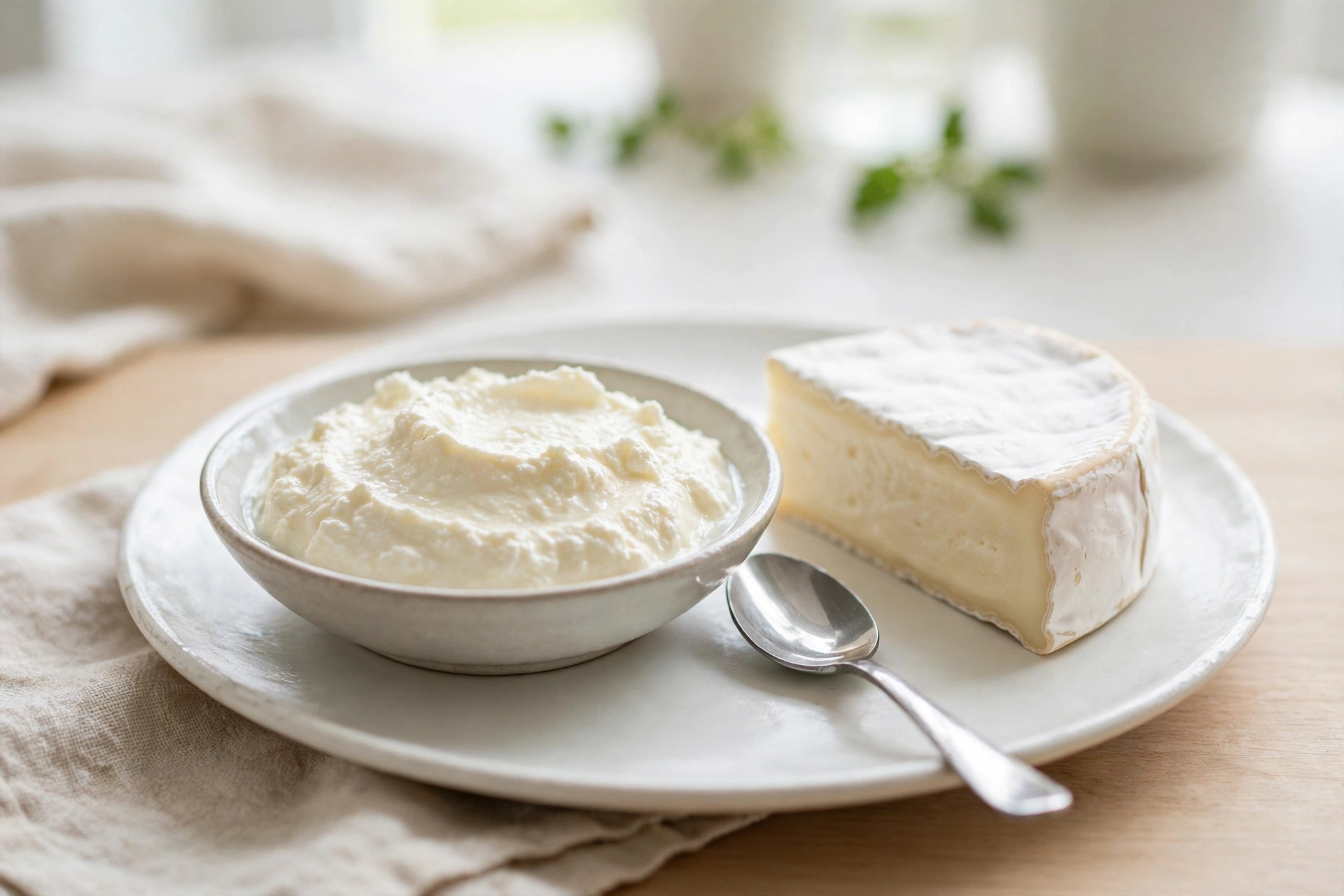
- Brie and camembert — soft, creamy, and easy to eat with a spoon. Remove the rind if it feels tough.
- Ricotta — spoon-soft, mild, and easy to eat plain or spread on very soft bread.
- Cottage cheese (blended smooth) — excellent protein, but blend it smooth first if the curds feel lumpy.
- Cream cheese — soft, smooth, and easy to spread or eat from a spoon.
- Fresh mozzarella — soft and mild. Tear it into small pieces rather than biting into a whole ball.
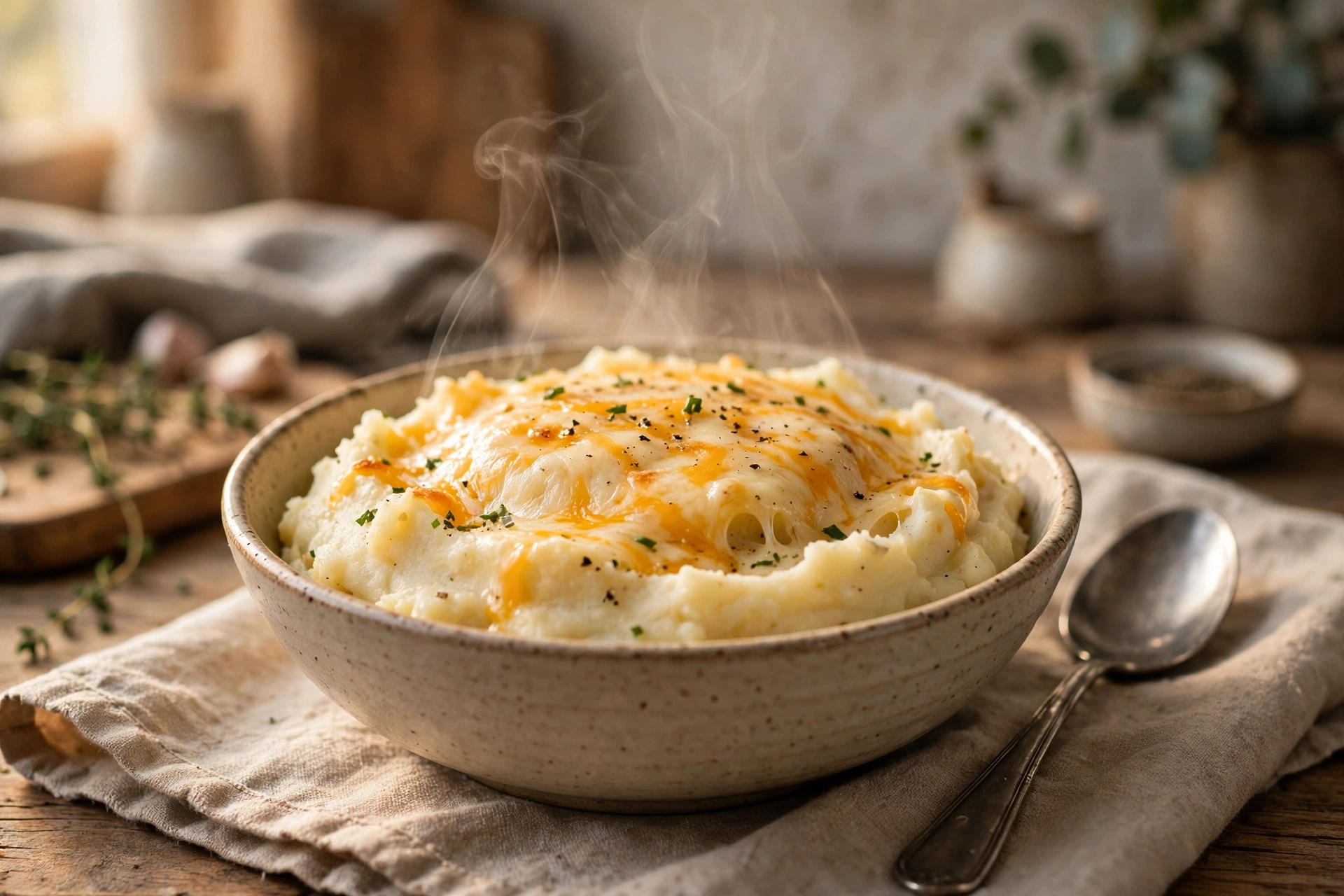
- Melted cheese — cheese melted into mashed potato, soft pasta, or soup is one of the easiest ways to eat it in the first week.
OK from around day 5–7
- Mild cheddar, sliced thin — soft enough when sliced thin and eaten in small pieces. Avoid thick, hard blocks.
- Gouda and Havarti — semi-soft, mild, and easy to chew in small pieces.
- Goat cheese (soft) — creamy and easy to eat, as long as it’s the soft variety.
Wait until week 2–3
- Hard aged cheeses — parmesan, aged cheddar, pecorino, and manchego are hard and crumbly, with sharp pieces that can irritate the socket.
- String cheese and halloumi — chewy and rubbery, demanding a lot of jaw work.
- Cheese with nuts, herbs, or seeds — the add-ins can lodge in the socket.
- Cheese on crackers or crusty bread — the crunch is the problem, not the cheese.
When Can You Eat Cheese After Wisdom Teeth Removal?
| Stage | Cheese status |
|---|---|
| Day 1 | Best to wait. Cool liquids and very soft foods only — yogurt and ice cream are better day-1 choices. |
| Days 2–3 | Yes — soft cheeses only: brie, ricotta, cottage cheese (blended), cream cheese, fresh mozzarella. Small spoonfuls. |
| Days 4–5 | Yes — add melted cheese in mashed potato, pasta, or soup. Thin slices of mild cheddar are usually fine. |
| Days 6–7 | Yes — most semi-soft cheeses are fine now, in small pieces chewed away from the extraction sites. |
| Week 2 | Yes — harder cheeses become manageable as chewing improves. Still avoid very hard, crumbly varieties. |
| Weeks 3–4 | Normal cheese eating resumes, including hard cheeses and cheese on bread or crackers. |
Healing speed varies. Surgical or impacted extractions need more caution than simple ones. If chewing still hurts, stick with the soft cheeses a few days longer.
Does Cheese Cause Problems After Wisdom Teeth Removal?
A few common worries, answered honestly:
- Dairy and mucus: The idea that dairy increases mucus after surgery is mostly a myth — studies show milk and cheese don’t meaningfully increase mucus production. If cheese feels uncomfortable or makes you cough, stop, but for most people it’s not an issue.
- Cheese and dry socket: Soft cheese eaten carefully does not cause dry socket. The risk comes from vigorous chewing, hot food, or crumbs lodging in the socket — none of which apply to a spoonful of brie.
- Lactose intolerance: If you’re lactose intolerant, hard aged cheeses are actually lower in lactose than soft ones. But in the first week, when only soft cheeses are comfortable, lactose-free soft cheese or dairy-free alternatives (smooth, no chunks) are the safer choice.
- Sugar and bacteria: Cheese is low in sugar and actually helps neutralise acid in the mouth, which is good for healing. Still, rinse gently with warm salt water after eating.
How to Eat Cheese Safely the First Time
- Start with a small amount. A spoonful of ricotta or a thin slice of brie is enough to test how it feels.
- Eat it at room temperature or slightly warm. Very cold cheese straight from the fridge can sting sensitive teeth. Let it sit out for 10–15 minutes.
- Cut it into small pieces. Small pieces mean less chewing and less jaw strain.
- Chew away from the extraction sites. Use the opposite side of your mouth, and chew slowly.
- Melt it when in doubt. Melted cheese in mashed potato or soup is the safest way to eat cheese in the first week.
- Rinse gently afterwards. A gentle rinse with warm salt water clears away any residue near the sockets.
For the full day-by-day picture of what you can eat and when, see our wisdom teeth recovery food timeline.
Frequently Asked Questions
Q: Can you eat cheese after wisdom teeth removal?
Yes — soft cheese is safe from around day 2–3. Brie, ricotta, cottage cheese, cream cheese, and fresh mozzarella need almost no chewing and are gentle on healing sockets. Hard cheeses like parmesan and aged cheddar should wait until week 2–3.
Q: Can you eat cheese on day 2 after wisdom teeth removal?
Yes, if it’s a soft cheese. A spoonful of ricotta, brie, or blended cottage cheese is fine on day 2. Avoid hard or chewy cheeses, and eat small amounts slowly, chewed away from the extraction sites.
Q: Is melted cheese OK after wisdom teeth removal?
Yes — melted cheese is one of the safest ways to eat cheese in the first week. Melted into mashed potato, soft pasta, or soup, it needs no chewing at all. Just make sure it’s warm, not hot, since heat can disturb the healing clot.
Q: Can cheese cause dry socket?
No — soft cheese eaten carefully does not cause dry socket. The risk comes from vigorous chewing, hot food, or crumbs getting lodged in the socket. Soft cheese has none of these problems. Hard, crumbly cheese eaten too early is riskier, because sharp pieces can irritate the socket.
Q: Can I eat mac and cheese after wisdom teeth removal?
Yes — mac and cheese is a great recovery food from around day 4–5. Use very soft, well-cooked pasta in a smooth cheese sauce, and make sure it’s lukewarm, not hot. Avoid mac and cheese with a crunchy breadcrumb topping until week 2–3.
Q: What cheese should I avoid after wisdom teeth removal?
Avoid hard aged cheeses (parmesan, aged cheddar, pecorino) and chewy cheeses (string cheese, halloumi) for the first two weeks. Also avoid cheese with nuts, herbs, or seeds, and cheese served on crackers or crusty bread — the crunch is the problem, not the cheese.
Q: Can I eat cheese if I’m lactose intolerant after wisdom teeth removal?
Yes, with care. Lactose-free soft cheese is the easiest option in the first week. Hard aged cheeses are naturally lower in lactose, but they’re too hard to eat early on. Smooth dairy-free cheese alternatives are also fine, as long as they have no chunks, nuts, or seeds.
Bottom Line
Cheese is a recovery-friendly food — as long as you pick the soft ones first. Brie, ricotta, cottage cheese, and cream cheese are safe from day 2–3, melted cheese is even easier, and hard cheeses can wait until week 2–3. Start small, chew away from the sockets, and rinse gently afterwards. By week three, most people are back to eating cheese normally.