
Updated November 16, 2026
Quick answer
Curry After Wisdom Teeth Removal: It's All About the Spice Level Curry is comfort food for millions of people, and after a few days of bland recovery eating, it's often the first thing people crave. The good news is that curry itself isn't the problem. The sauce is soft, the ingredients are usually tender, and …
Curry After Wisdom Teeth Removal: It’s All About the Spice Level
Curry is comfort food for millions of people, and after a few days of bland recovery eating, it’s often the first thing people crave. The good news is that curry itself isn’t the problem. The sauce is soft, the ingredients are usually tender, and a mild curry is genuinely easy to eat with a sore mouth. The problem is the spice — specifically, the heat.
So, can you eat curry after wisdom teeth removal? Yes — a mild curry is usually fine from around day 5, and a medium curry can follow a few days later. A genuinely hot curry, though, should wait until at least day 10 to 14, and even then it deserves some caution. Chilli and raw extraction sites are not friends.
This guide breaks down curry by spice level, walks you through a mild recovery-friendly recipe, and explains exactly why heat matters more than any other ingredient in the pot.
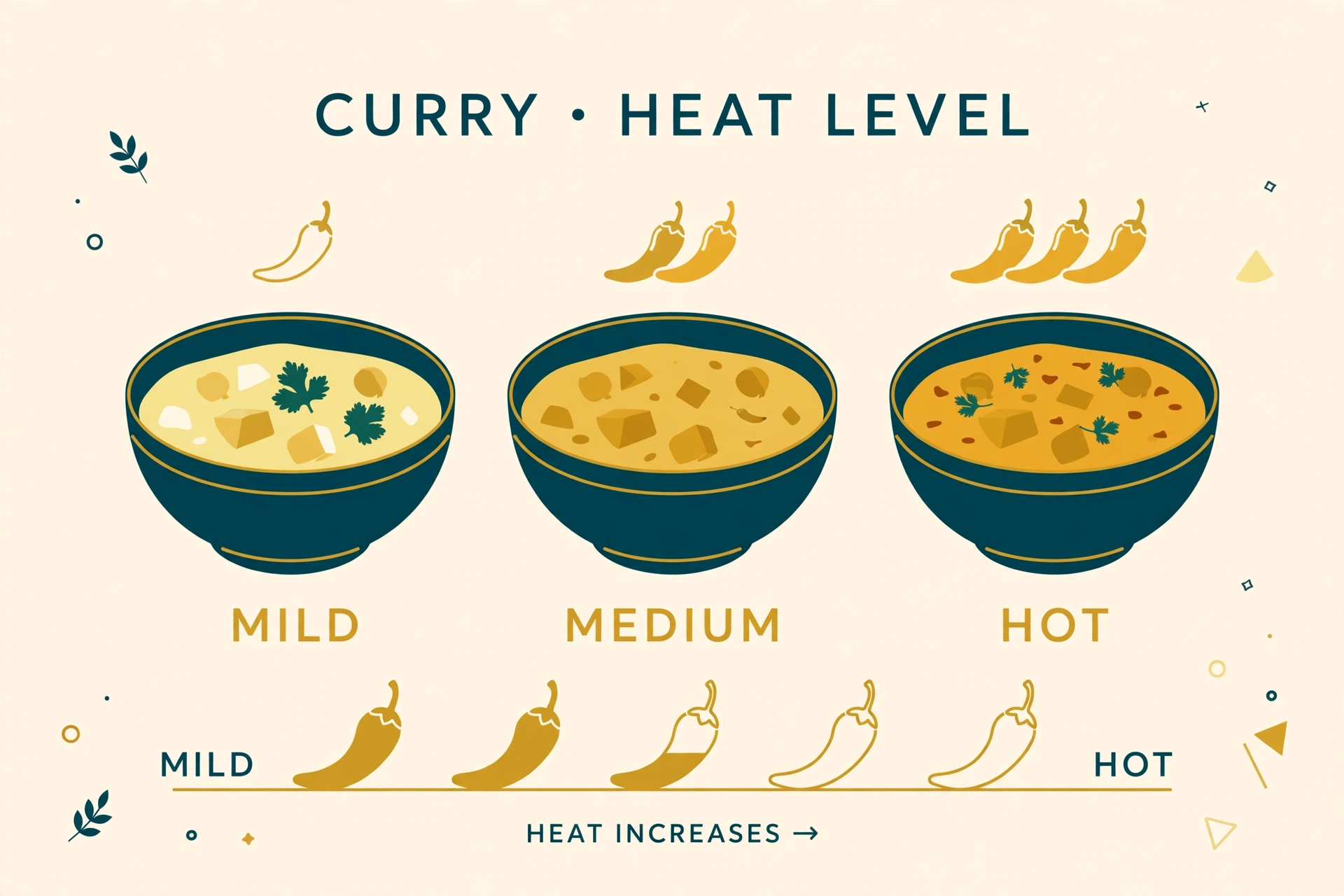
Spice Level Compared: Mild vs. Medium vs. Hot
Not all curries are equal. A gentle korma and a fiery vindaloo are practically different foods when it comes to a healing mouth. Here’s how they compare.
| Spice level | Typical dishes | Heat source | Earliest safe day |
|---|---|---|---|
| Mild | Korma, butter chicken, mild dal, coconut curry | Cream, coconut milk, sweet spices | Day 5–7 |
| Mild-medium | Tikka masala, mild Thai green curry | Small amount of chilli, ginger | Day 7–10 |
| Medium | Rogan josh, madras, Thai red curry | Moderate chilli, black pepper | Day 10–12 |
| Hot | Vindaloo, phaal, extra-hot Thai curry | Heavy chilli, fresh chillies | Day 14+ |
| Very hot / extra chilli | Naga, ghost pepper dishes | Extreme chilli | Day 21+ or avoid until fully healed |
The pattern is straightforward: the more chilli, the longer you wait. Mild curries rely on sweet spices — cinnamon, cardamom, cumin, turmeric — which add flavour without heat. For a fuller timeline on bringing heat back, see our guide on when you can eat spicy food after wisdom teeth removal.
Black pepper deserves a mention too. It’s milder than chilli, but in large amounts it can still irritate a fresh socket. Keep it light for the first week.
Why Heat Hurts a Healing Socket
It helps to understand what’s actually happening in your mouth. After an extraction, the socket is an open wound covered by a fragile blood clot. That clot is what protects the bone underneath, and anything that disturbs it — vigorous rinsing, sucking, or chemical irritation — can slow healing or, in the worst case, lead to a dry socket.
Chilli doesn’t dissolve the clot, but it does two unhelpful things. First, it irritates the raw tissue directly, which is why spicy food stings after dental work when it never stung before. Second, it stimulates blood flow and saliva, which can feel uncomfortable and, in the very early days, may disturb the clot.
The Recipe: A Mild, Recovery-Friendly Curry
This is a gentle, creamy chicken and vegetable curry designed for a healing mouth. It’s soft, mildly spiced, and easy to eat with rice or mashed potatoes. It serves two and takes about thirty minutes.
You need: 250g boneless chicken thigh (cut into small pieces), 1 cup coconut milk, 1 small potato (peeled and diced small), half a cup of carrots (diced small), 1 teaspoon ground turmeric, 1 teaspoon ground cumin, half a teaspoon ground coriander, a small piece of fresh ginger (grated), 1 tablespoon of mild cooking oil, and a pinch of salt. No chilli, no black pepper, no hot sauce.
How to make it:
- Warm the oil in a pan over low heat. Add the ginger, turmeric, cumin, and coriander, and stir for thirty seconds until fragrant.
- Add the chicken pieces and cook gently for five minutes, turning once, until they’re lightly coloured on the outside.
- Pour in the coconut milk and add the potato and carrot. Stir well.
- Bring to a very gentle simmer — small bubbles, not a boil — then cover and cook for 20 minutes, until the chicken is tender and the vegetables are completely soft.
- Taste and add a pinch of salt. Let it cool for a few minutes before serving.
How to eat it: Serve a small portion over soft white rice, or with mashed potatoes if rice feels too grainy. Make sure the chicken is cut small and the vegetables are soft enough to mash with a fork. Eat slowly, chew on the side away from your sockets, and rinse gently with warm salt water afterward.
Why this recipe works: every ingredient is doing a job. The coconut milk makes the sauce creamy and soothing rather than sharp. The turmeric and cumin add warmth and flavour without heat. The chicken is cut small and simmered until tender, so it needs almost no chewing.
Which Curry Ingredients Are Safe, and Which to Skip
Beyond spice level, the ingredients inside the curry matter too. Here’s a quick guide.
Safe and soft from day 5: boneless chicken, soft tofu, chickpeas, lentils, potatoes, carrots, cauliflower, coconut milk, turmeric, cumin, coriander, cardamom, cinnamon, ginger.
Use with care from day 7 to 10: paneer (soft is fine, fried is not), prawns (peeled, cooked gently), lamb (only if very tender and cut small), spinach (soft, well-cooked), mild green chillies in tiny amounts.
Skip until day 14 or later: fresh red chillies, dried chilli flakes, hot sauce, whole peppercorns, tough or bony meat, fried onions with crispy edges, crunchy poppadoms, hard naan crusts, and anything with small seeds or skins that can lodge in a socket.
A quick note on rice: soft white rice is fine with curry from around day 5, but rinse your mouth carefully afterward — rice grains are small and love to hide near sockets. Brown rice and biryani with whole spices are better left for week two, when chewing is easier and the sockets are closing. If you’re unsure about rice, our guide to eating rice after wisdom teeth removal covers the details.
Curry Day by Day: A Simple Timeline
- Days 1–4: No curry yet. Your sockets are fresh, and even mild spice is too much.
- Days 5–7: Mild curry makes its debut. Korma, butter chicken, mild dal, or the recipe above — creamy, gentle, no chilli at all.
- Days 7–10: Mild-medium curries join in. A gentle tikka masala or a mild Thai green curry is usually fine now.
- Days 10–12: Medium curries come back. Rogan josh or a moderate madras is reasonable if your sockets feel comfortable.
- Day 14 and beyond: Hot curries return, gradually. Start with a moderate heat level rather than jumping straight to the hottest dish on the menu.
The Bottom Line
Curry is absolutely on the menu after wisdom teeth removal — you just need to match the spice level to your healing stage. Start with a mild, creamy curry around day 5, move to medium heat around day 10, and save the genuinely hot stuff for week two or later.
Frequently Asked Questions
Can I eat curry 5 days after wisdom teeth removal?
Yes, if it’s mild. A korma, butter chicken, or mild dal with no chilli is usually fine from day 5 to 7. Keep the protein soft and cut small.
Is mild curry safe after wisdom teeth removal?
Yes. Mild curries made with cream, coconut milk, and sweet spices like turmeric and cumin are gentle on healing tissue. The key is avoiding chilli and black pepper in the first week.
When can I eat spicy curry after wisdom teeth removal?
Medium-spiced curry is usually okay from day 10 to 12, and genuinely hot curry should wait until at least day 14. Very hot dishes are best left until around three weeks, when healing is complete.
Can I eat curry with rice after wisdom teeth removal?
Yes, from around day 5. Soft white rice works well with mild curry, but rinse your mouth carefully afterward — small rice grains can get trapped near sockets. Save brown rice and biryani for week two.
Does turmeric help healing after wisdom teeth removal?
Turmeric is often praised for its anti-inflammatory properties, and it’s a normal ingredient in many mild curries. It won’t heal you on its own, but as part of a good overall diet, it certainly doesn’t hurt.
Can I eat Thai curry after wisdom teeth removal?
Mild Thai green curry is usually fine from day 7 to 10, since it’s creamy and soft. Thai red curry is spicier and should wait until around day 10 to 12. Ask for it mild, and make sure the vegetables are cooked until soft.