
Updated November 18, 2026
Quick answer
Good news first: yes, you can drink milkshakes after wisdom teeth removal. They're cold, smooth, filling, and require zero chewing — which makes them one of the best recovery foods you can have. There's just one rule that changes everything: no straw. Ever. Not for the first week, and ideally not for two. Milkshakes are …
Good news first: yes, you can drink milkshakes after wisdom teeth removal. They’re cold, smooth, filling, and require zero chewing — which makes them one of the best recovery foods you can have. There’s just one rule that changes everything: no straw. Ever. Not for the first week, and ideally not for two.
Milkshakes are so popular after wisdom teeth surgery that dentists often mention them by name. The cold soothes sore gums, the calories keep your energy up when you can barely eat, and the creamy texture slides down without touching the extraction sites roughly. The danger isn’t the milkshake — it’s the straw. The suction from a straw can pull the blood clot out of the socket and cause dry socket, the painful complication every recovery guide warns about. So drink your milkshake from a cup, or eat it with a spoon like a thick soft-serve. Same flavour, same comfort, none of the risk.
When Can You Have Your First Milkshake?
You can usually have a milkshake within the first 24 hours, once the numbness has worn off and you can swallow comfortably. Some people have one on the way home from the dentist. Just keep it simple: plain flavours, no chunks, no nuts, no seeds, and nothing acidic mixed in.
That last point matters more than people expect. A strawberry milkshake made with real strawberries is fine, but a milkshake blended with orange juice or pineapple will sting the extraction sites. Stick to mild fruits — banana, mango, avocado, berries — and plain flavours like vanilla and chocolate.
Temperature is your friend here. A cold milkshake numbs the area gently and feels wonderful on swollen cheeks. But avoid anything frozen solid; a milkshake so thick you have to suck hard to get it through a straw (or even a spoon) is a problem. You want it pourable, not a workout.
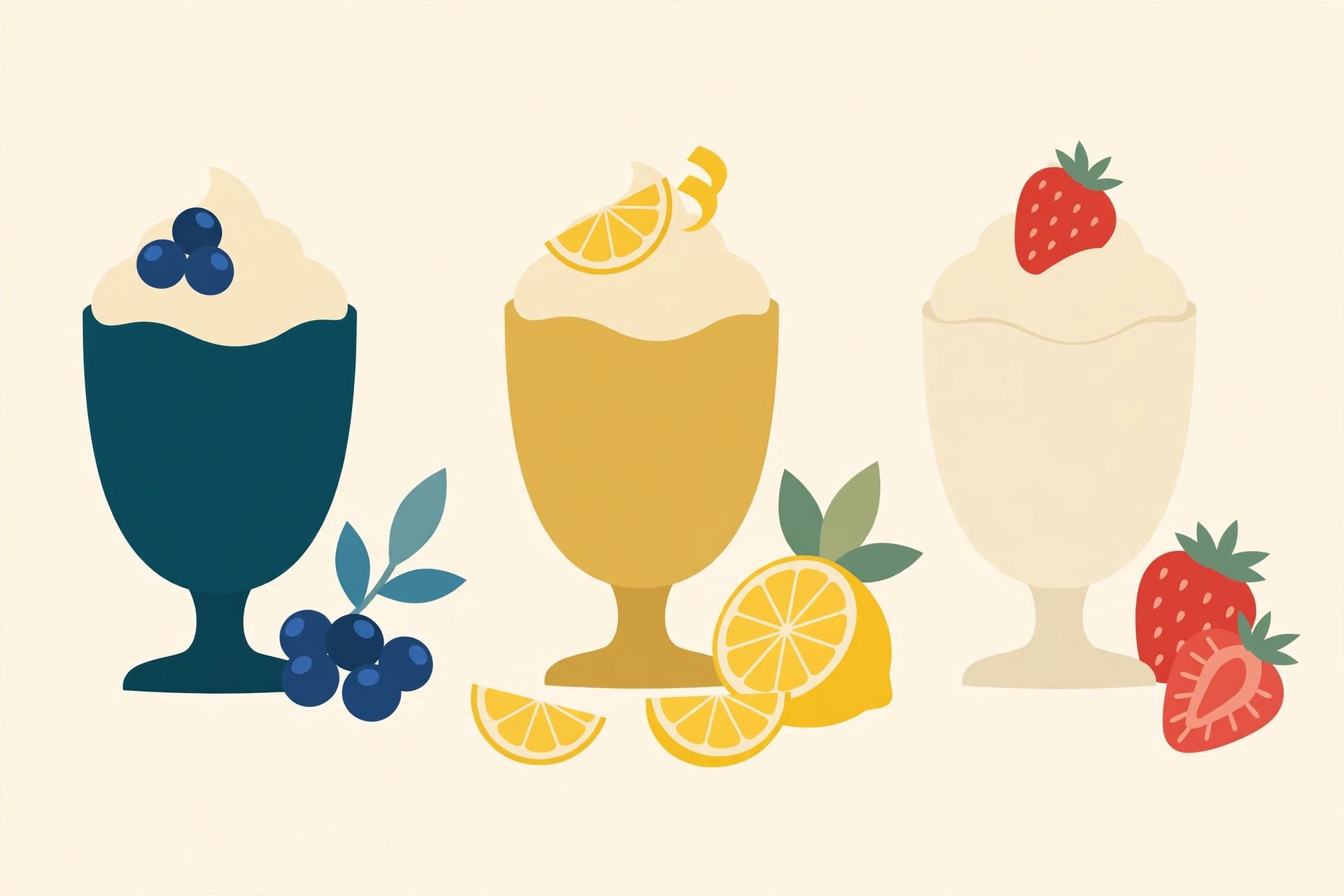
Recipe 1: The Classic Banana Vanilla Milkshake
This is the one to start with. It’s the gentlest, the easiest to digest, and the least likely to cause any trouble at all.
Ingredients:
- 1 ripe banana
- 1 cup cold whole milk
- 2 scoops vanilla ice cream
- 1 teaspoon honey (optional)
Method: Blend everything until completely smooth — no lumps at all. Pour into a cup and drink slowly, or eat it with a spoon if it’s thick. That’s it. No straw, no sucking, no problem.
Banana is the hero here: it’s naturally soft, it blends perfectly smooth, and it’s rich in potassium, which helps when you’re not eating much. The vanilla ice cream adds calories and cold comfort, and the honey is optional — skip it if your dentist warned you about sugar, or keep it if you need the energy. If you want a second opinion on which ice cream works best, the guide to eating ice cream after wisdom teeth removal covers the flavours to choose and the ones to skip.
Recipe 2: The Mango Recovery Milkshake
Mango is sweet, creamy, and blends into a beautifully smooth texture. It’s also packed with vitamin C, which supports healing — just remember that vitamin C doesn’t cancel out acidity, so this one is best from day 2 or 3 rather than hour one.
Ingredients:
- 1 cup frozen mango chunks (thawed slightly so they blend smoothly)
- 1 cup cold milk
- 2 scoops vanilla or mango ice cream
- A pinch of cardamom (optional, and only if you like the flavour)
Method: Blend the mango and milk first, then add the ice cream and blend again briefly. The result should be silky — if you can see any fibrous strands, blend for another 30 seconds. Pour into a cup and enjoy with a spoon.
Mango milkshakes are popular in South Asian households for a reason: they’re comforting, filling, and easy to make with ingredients most kitchens already have. If fresh mango isn’t in season, frozen mango works just as well — just let it thaw for ten minutes so your blender doesn’t struggle.
Recipe 3: The Chocolate Peanut Butter Power Shake
By day 3 or 4, when the worst soreness has passed and you’re getting tired of plain flavours, this one feels like a treat — and it packs enough protein and calories to count as a real meal.
Ingredients:
- 1 cup cold milk
- 2 scoops chocolate ice cream
- 1 tablespoon smooth peanut butter (no chunks, no crunchy)
- 1 ripe banana
- 1 scoop protein powder (optional, unflavoured or vanilla)
Method: Blend the milk, banana, and peanut butter first until perfectly smooth, then add the ice cream and blend again. Drink from a cup, slowly.
The peanut butter adds protein and healthy fats, which matter when your diet has been mostly soft carbs for days. The one condition: it must be completely smooth peanut butter. Crunchy peanut butter, chopped nuts, or granola toppings are all off the list — small hard pieces can lodge in the extraction sites and cause irritation or infection. If you’re building out your full recovery menu, the complete guide to what to eat after wisdom teeth removal has a day-by-day plan that pairs well with these shakes.
Milkshake Mistakes to Avoid
The straw. Worth saying a third time, because it’s the one people forget. Someone hands you a milkshake with a straw in it, and your hand reaches for it before your brain catches up. No straw for at least a week. If a café serves your shake with a straw, take it out.
Chunks and mix-ins. Chocolate chips, cookie crumbles, nuts, seeds, boba pearls, granola — all of them can get trapped in the sockets. Keep your milkshake perfectly smooth for the first week. You can add toppings again once the sites have closed over.
Citrus mix-ins. Orange, lemon, grapefruit, and pineapple juice in a milkshake will sting. Even a “tropical” flavour blend is risky if it contains citrus. Check the ingredients before you order or blend.
Too-cold sensitivity. A very cold shake can make the teeth next to the extraction sites ache sharply. If that happens, let the shake sit for five minutes to take the edge off the cold. It will still be refreshing, just less shocking.
Skipping real food. Milkshakes are a wonderful supplement, but they shouldn’t be your only food for a week. Pair them with soft foods like oatmeal, mashed potatoes, yoghurt, and scrambled eggs so your body gets the protein and nutrients it needs to heal properly.
FAQs
Can you drink milkshakes after wisdom teeth removal on the same day?
Yes, usually within a few hours, once the numbness has worn off. Keep it plain, smooth, and cold — and drink it from a cup or with a spoon, never through a straw.
Can I use a straw for a milkshake after wisdom teeth removal?
No. Straws create suction that can dislodge the blood clot in the socket and cause dry socket. Avoid all straws for at least 7 days, and 14 days is safer.
Are chocolate milkshakes okay after wisdom teeth removal?
Yes. Chocolate is a mild flavour and won’t sting the extraction sites. Just make sure the shake is completely smooth, with no chocolate chips or cookie pieces mixed in.
Can milkshakes cause dry socket?
The milkshake itself can’t, but the straw usually served with it can. Drink from a cup and you’ll avoid the risk. If you develop severe pain a few days after surgery, contact your dentist.
Can I have a milkshake with protein powder after wisdom teeth removal?
Yes, protein powder is a good idea — it helps you get enough protein while you can’t chew. Use unflavoured or vanilla powder, blend it completely smooth, and avoid any powder with added citrus flavouring.
When can I drink milkshakes with mix-ins again?
Wait until the extraction sites have closed over, usually around 7 to 10 days. Then you can slowly reintroduce toppings like cookie crumbles or nuts — but chew on the opposite side from the extraction sites at first.