If you’ve spent years thinking cavity prevention is only about brushing and flossing, I’ve got good news: what’s on your plate matters just as much.
In my experience, patients are often shocked at how much a few simple food swaps can do for their teeth.
You don’t need a complicated diet overhaul. You just need to know which foods work with your teeth instead of against them.
Quick Answer: The best foods for cavity prevention are calcium-rich foods like cheese and dairy, crunchy fruits and vegetables that stimulate saliva, leafy greens, nuts, and plain yogurt. These foods help neutralize acid, strengthen enamel, and reduce the bacteria that cause decay.
Let’s go through exactly what to add to your plate — and what’s quietly working against your smile.
Why Food Choices Matter for Cavity Prevention
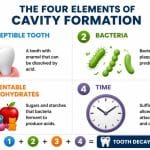
Cavities form when bacteria in your mouth feed on sugar and starch, producing acid that erodes enamel over time.
That means every food you eat falls somewhere on a spectrum — either feeding that bacteria, neutralizing the acid, or actively strengthening your teeth.
I always tell my readers: it’s not just about cutting out “bad” foods. Actively adding the right ones gives your mouth extra defense it wouldn’t otherwise have.

 Read More: Early Signs of Tooth Decay: What to Watch For
Calcium and Phosphate-Rich Foods
Calcium and phosphate are the building blocks your enamel needs to stay strong, and certain foods deliver both.
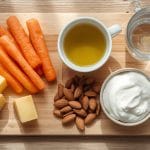
- Cheese — raises pH in the mouth and stimulates saliva, both of which help neutralize acid
- Milk and plain yogurt — packed with calcium and casein, a protein that helps protect enamel
- Almonds — a good source of calcium with minimal sugar content
- Leafy greens (spinach, kale) — rich in calcium and folic acid, with virtually no cavity-causing sugar
A small piece of cheese after a meal is one of the simplest habits I recommend, especially after eating something acidic or sugary.
Crunchy Fruits and Vegetables
Crunchy produce does double duty — it physically helps clean your teeth while you chew, and it stimulates saliva production.
- Apples — the natural crunch helps scrub away surface plaque (though they’re not a substitute for brushing)
- Carrots — high fiber content and a natural saliva booster
- Celery — mostly water and fiber, gentle on teeth and great for saliva flow
- Cucumbers — hydrating and low in sugar
If you’ve ever noticed your mouth feels “cleaner” after eating an apple, that’s the saliva boost and mechanical cleaning action at work.
 Read More: How to Prevent Cavities Naturally: Daily Habits That Protect Your Teeth
Foods That Boost Saliva Production
Saliva is one of your mouth’s best natural defenses. It washes away food particles, neutralizes acid, and delivers minerals back to your enamel.
Foods and habits that help:
- Sugar-free gum with xylitol — chewing after meals stimulates saliva flow and xylitol actively discourages cavity-causing bacteria
- Water — staying hydrated keeps saliva production steady throughout the day
- Crunchy fruits and vegetables — the chewing action itself increases saliva flow
If you tend to have a dry mouth, prioritizing these foods and staying hydrated can make a noticeable difference in your cavity risk.
Protein and Healthy Fats
Protein-rich foods generally contain little to no sugar, making them naturally tooth-friendly options.
- Eggs — a good source of vitamin D, which helps your body absorb calcium
- Fish — many varieties provide vitamin D and phosphorus
- Nuts and seeds — low sugar content, plus calcium and healthy fats
- Lean meats — phosphorus-rich and sugar-free
None of these foods will single-handedly prevent cavities, but building meals around them instead of processed, sugar-heavy options shifts the overall balance in your favor.
 Read More: Wisdom Tooth Infection Home Remedies: What Helps the Pain While You Wait for a Dentist
Foods and Drinks to Limit
Prevention isn’t only about what to add — it also means being mindful of what feeds the bacteria that cause decay.
- Candy and sticky sweets — cling to teeth and prolong acid exposure
- Soda and sports drinks — combine sugar with acid, a particularly rough combination for enamel
- Dried fruit — concentrated sugar that sticks to tooth surfaces
- Chips and crackers — starches break down into sugar and can get trapped in grooves and between teeth
- Citrus fruits and juices — the acidity can soften enamel, especially with frequent exposure
You don’t have to eliminate these entirely. Enjoying them with a meal rather than as a standalone snack significantly reduces the impact.
Smart Snacking: Timing Matters as Much as Choice
Here’s something I always tell my readers: it’s not just what you eat, it’s how often.
Every time you eat something sugary or starchy, your teeth face roughly 20-30 minutes of acid exposure. Snacking constantly throughout the day means constant acid attacks, even with otherwise healthy food choices.
Smarter Snacking Habits
- Pair sugary or acidic foods with a full meal instead of eating them alone
- Choose whole fruit over dried fruit or juice
- Finish snacking sessions with a tooth-friendly food like cheese or a crunchy vegetable
- Rinse with water if you can’t brush after a sugary snack
 Read More: How to Remove Tartar from Teeth at Home: What Actually Works (And What You Need to Know First)
A Sample Cavity-Friendly Day
Here’s what a realistic, tooth-friendly day might look like:
Breakfast: Plain yogurt with berries and a handful of nuts
Lunch: Leafy greens, lean protein, and a piece of cheese
Snack: Apple slices or carrot sticks
Dinner: Fish or lean meat with roasted vegetables
Evening: Water instead of soda, sugar-free gum if craving something sweet
This isn’t about perfection — it’s about tilting the balance toward foods that protect your teeth more often than not.
For additional evidence-based nutrition guidance related to oral health, the American Dental Association publishes detailed resources on diet and cavity prevention, and the NIH has published research on the role of specific nutrients in dental health.
Common Mistakes People Make With “Healthy” Foods
Not everything marketed as healthy is automatically tooth-friendly:
- Granola bars often contain as much sugar as candy
- Dried fruit is concentrated sugar that sticks to teeth longer than fresh fruit
- Smoothies can be surprisingly acidic and sugary, especially with added fruit juice
- Sports drinks combine sugar and acidity, even the “healthy” branded versions
If you’ve ever assumed a snack was safe just because it was labeled “natural” or “organic,” checking the sugar content is always worth the extra minute.
 Read More: Cavity Teeth: Causes, Symptoms & Prevention Guide
Final Thoughts
Your diet is one of the most underrated tools for cavity prevention. Calcium-rich foods, crunchy produce, and saliva-boosting habits work alongside brushing and flossing, not instead of them.
Ready to make it stick? Start with one swap this week — cheese after meals or water instead of soda — and build from there.
Frequently Asked Questions
What foods actively help prevent cavities? Calcium-rich foods like cheese, dairy, and leafy greens, along with crunchy fruits and vegetables that boost saliva production, are among the most effective for cavity prevention.
Are dried fruits bad for your teeth? Yes, generally. Dried fruit is concentrated in sugar and tends to stick to tooth surfaces longer than fresh fruit, increasing acid exposure time.
Does cheese really help prevent cavities? Yes. Cheese helps raise pH levels in the mouth and stimulates saliva production, both of which help neutralize the acid that causes tooth decay.
Can diet alone prevent cavities without brushing? No. Diet is an important supporting factor, but it works alongside brushing, flossing, and regular dental checkups, not as a replacement for them.
Is fruit juice bad for teeth even though it’s natural? Yes, frequent fruit juice consumption can contribute to cavities since it combines sugar with acidity. Whole fruit is generally a better choice for your teeth.
Looking for dental care options? Call to discuss the advertised dental service.
Call Now