
Updated November 14, 2026
Quick answer
You take a sip of cold water and — ouch. A sharp, quick sting shoots through a tooth and vanishes almost as fast. Ice cream does it. Sometimes even cold air on a winter morning does it. Your teeth aren't rotten and they don't ache all the time, but they complain loudly about cold, sweet, …
You take a sip of cold water and — ouch. A sharp, quick sting shoots through a tooth and vanishes almost as fast. Ice cream does it. Sometimes even cold air on a winter morning does it. Your teeth aren’t rotten and they don’t ache all the time, but they complain loudly about cold, sweet, or acidic things.
That sting has a name: dentine hypersensitivity. And the toothpaste aisle is full of boxes promising to fix it. Some of them genuinely help. Some are mostly marketing. The difference is in the ingredients, not the packaging — and once you know what to look for, choosing one takes about thirty seconds.
Why teeth become sensitive in the first place
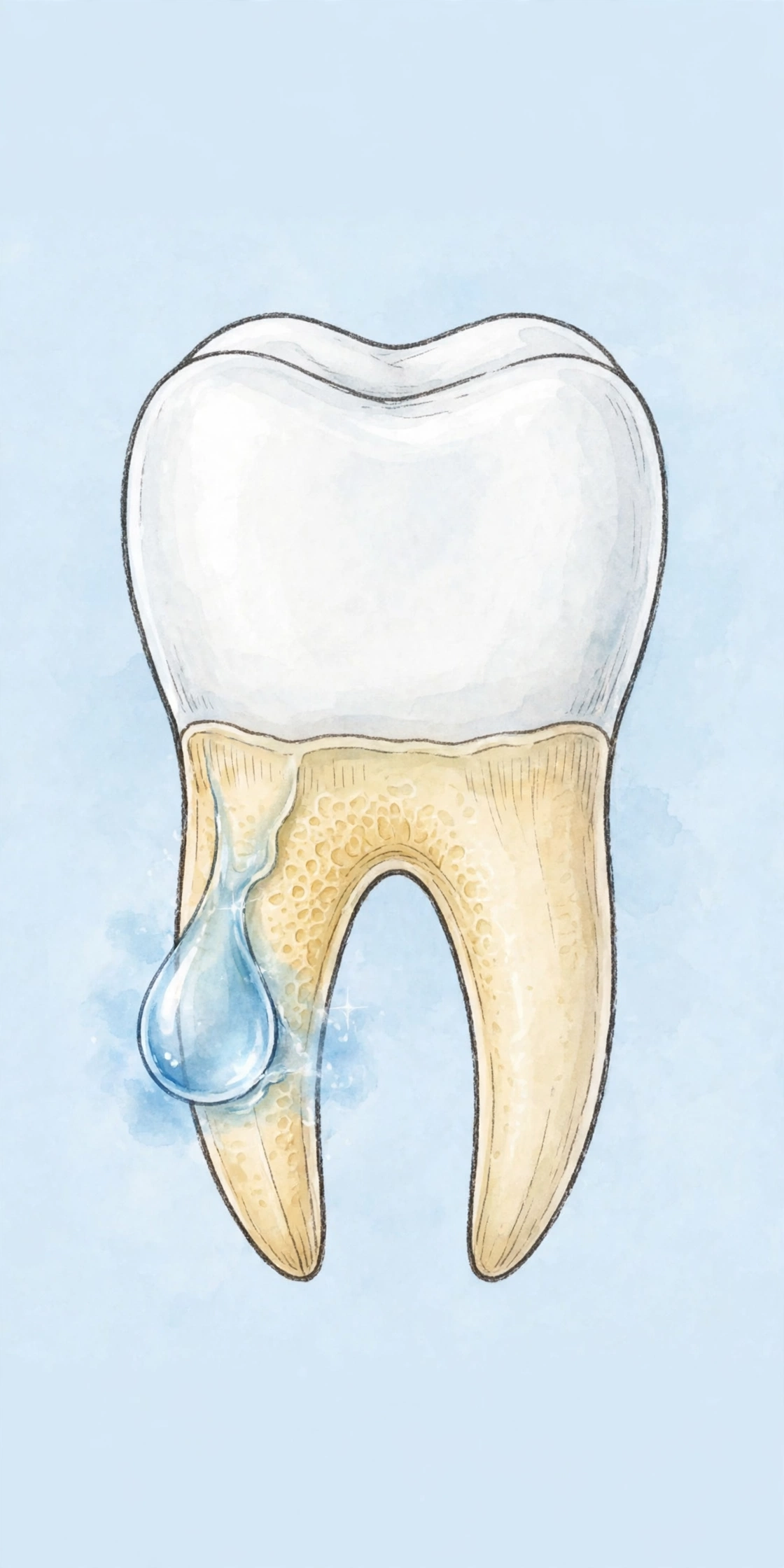
Under the hard white enamel, your teeth have a softer layer called dentine. Dentine is full of thousands of tiny tubes that lead inward, toward the nerve at the centre of the tooth. When enamel wears thin, or gums recede and expose the root, those tubes are left open — and cold, heat, sweetness, or touch can travel straight down them to the nerve.
The common causes are unglamorous. Brushing too hard with a stiff brush wears enamel away at the gumline. Acidic food and drink — citrus, fizzy drinks, wine — soften enamel. Grinding your teeth at night wears it down. Gum disease, or just getting older, can leave roots exposed.
Here’s the important part: sensitivity can also be a symptom of something else — a crack, a cavity, a leaking filling, or gum disease. If the pain is sharp and localised to one tooth, if it lingers for more than a few seconds after the cold is gone, or if a tooth hurts when you bite down, that needs a dentist, not a toothpaste. Toothpaste helps when the cause is exposed dentine. It cannot fix a cracked tooth.
What actually works: the ingredients that matter
A desensitising toothpaste works in one of two ways. It either blocks the tiny tubes in the dentine so signals can’t reach the nerve, or it calms the nerve itself. The ingredient on the box tells you which approach it takes.
Potassium nitrate. The most common desensitising ingredient, and the one with the longest track record. It works by calming the nerve inside the tooth, making it less likely to fire when cold hits. It takes time — most people notice a difference after about two weeks of twice-daily use, not after one brush. If a toothpaste lists potassium nitrate, it’s a genuine desensitising product, not just a label claim.
Stannous fluoride. This one does two jobs at once. It forms a protective layer over the exposed dentine, sealing the tiny tubes, and it is also a fluoride, so it helps prevent decay. Many dentists recommend stannous fluoride formulas for people who have both sensitivity and early gum problems. One quirk: some stannous fluoride pastes can stain teeth slightly over time. If that bothers you, look for a formula that mentions stain prevention.
Hydroxyapatite. A newer ingredient, made from the same mineral your enamel is built from. It deposits a thin mineral layer over exposed dentine. The evidence is promising, and it’s a good option if you prefer a fluoride-free product — though most dentists still recommend fluoride for decay protection.
Whatever you choose, check one thing first: the toothpaste should contain fluoride. Fluoride protects against decay, and sensitive teeth with worn enamel need that protection more than most. A desensitising toothpaste without fluoride is solving half the problem.
What to avoid on the label
Not every toothpaste that says “sensitive” on the front is gentle. And some ingredients actively make sensitivity worse.
High abrasivity. Whitening toothpastes often clean with abrasive particles that polish stains away. On worn enamel or exposed roots, that scrubbing can make sensitivity worse over time. Look for a low-abrasion formula — the box may mention an RDA value; under 70 is gentle. If you want whiter teeth and you have sensitivity, talk to your dentist before using a whitening paste daily.
Charcoal. Charcoal toothpastes are trendy and almost entirely unhelpful. Charcoal is abrasive, it has no proven whitening or desensitising benefit, and it can wear enamel down. Skip it entirely if your teeth are sensitive.
Strong whitening claims. If the box promises dramatic whitening in days, it’s probably relying on abrasives or peroxide. Peroxide can cause temporary sensitivity of its own. Deal with the sensitivity first, then discuss whitening with your dentist.
Missing fluoride. Some “natural” toothpastes skip fluoride. For sensitive teeth with thin enamel, that’s a bad trade. Decay on an already weakened tooth is the last thing you need.
How to use it so it actually works
Buying the right tube is only half the job. Desensitising toothpaste works slowly, and only if you use it properly.
Use it twice a day, every day. Potassium nitrate and the tube-blocking ingredients need consistent use. Skipping days or switching back to a regular paste resets the clock. Give it at least two weeks before deciding it doesn’t work — four is better.
Don’t rinse straight after brushing. Spit the foam out and leave the rest on your teeth. Rinsing with water washes the active ingredients away before they’ve had time to work. This is the single easiest improvement most people can make.
Brush gently with a soft brush. Sensitivity often comes from enamel worn away by hard brushing. A soft brush and light pressure protect what’s left.
Try dabbing it on the sore spot. If one tooth is particularly sensitive, try rubbing a small amount of the toothpaste directly onto that tooth with a clean fingertip and leaving it for a minute before brushing normally.
Cut back on acid. Fizzy drinks, citrus juice, and frequent snacking on acidic foods soften enamel. Don’t sip acidic drinks slowly over hours, and wait at least 30 minutes after eating or drinking something acidic before brushing, so you don’t scrub softened enamel.
When toothpaste isn’t enough
If you’ve used a desensitising toothpaste properly for a month and the sting hasn’t improved, it’s time to see a dentist. They have stronger options: a fluoride varnish painted onto the sensitive area, a bonding material that seals exposed roots, or a gum graft if recession is severe. They can also check whether something else is causing the pain — a crack or decay that no toothpaste can fix.
Frequently asked questions
How long does sensitive toothpaste take to work?
Most people notice improvement within two weeks of twice-daily use, and the full effect usually takes about four weeks. If there’s no change after a month of proper use, see your dentist — the cause may be something toothpaste can’t fix.
Can I use sensitive toothpaste every day?
Yes. Desensitising toothpastes are designed for daily, long-term use. You can use them as your regular toothpaste. If you stop, the sensitivity usually comes back within a few weeks, because the dentine tubes open up again.
Is stannous fluoride or potassium nitrate better?
They work differently — stannous fluoride seals the dentine tubes and fights decay and gum bacteria, while potassium nitrate calms the nerve. Both have good evidence. Some people respond better to one than the other, so if the first type doesn’t help after a month, try the other. Some pastes contain both.
Should I avoid whitening toothpaste if my teeth are sensitive?
Generally yes, at least while the sensitivity is active. Whitening pastes are usually more abrasive, which can wear already-thin enamel further. Deal with the sensitivity first, then ask your dentist about the gentlest whitening option for you. Our guide to whitening toothpaste for braces also explains how abrasivity works, which applies well beyond braces.
Does sensitive toothpaste help with hot food too?
Usually yes, though cold is the more common trigger. The same open dentine tubes carry heat signals to the nerve, so sealing or calming them helps with both. If heat causes a lingering ache rather than a quick sting, see a dentist — that pattern can mean something else.
Can children use sensitive toothpaste?
Children can use it, but sensitivity in children is uncommon and worth checking with a dentist first — it may be a sign of decay or enamel problems. Use a children’s fluoride toothpaste unless a dentist advises otherwise.
You don’t need the most expensive tube on the shelf. You need fluoride, a proven desensitising ingredient, low abrasivity, and the patience to use it properly for a month. And if it doesn’t work, that’s useful information too: the problem is something a tube can’t fix, and a dentist should take a look.
This article is for general information only and is not a substitute for advice from your own dentist. If you have persistent pain, sensitivity in a single tooth, or pain that lingers after eating or drinking, book a dental appointment.