Yes, all four wisdom teeth can often be removed during one appointment. Many patients have the upper-left, upper-right, lower-left, and lower-right wisdom teeth extracted in a single procedure. Whether this is the best choice for you depends on your dental X-rays, the position and difficulty of each tooth, your medical history, anesthesia options, and your oral surgeon’s assessment.
Removing all four at once can mean one procedure and one recovery period instead of several. However, it also means healing from four extraction sites at the same time, which can make swelling, jaw stiffness, and eating more challenging during the first few days. Not everyone needs all four wisdom teeth removed.
Can All 4 Wisdom Teeth Be Removed at Once?
Yes. An oral surgeon or appropriately qualified dentist may remove all four wisdom teeth in one session when it is safe and appropriate. The procedure may be performed with local anesthesia, sedation, or general anesthesia depending on the complexity of the extractions, your health, your anxiety level, and the treatment plan.
Before recommending surgery, the clinician will examine your mouth and usually review dental X-rays to assess how the teeth are positioned and how close the roots are to nearby nerves or the sinus. Deeply impacted teeth or teeth with complex root anatomy may need more careful planning.
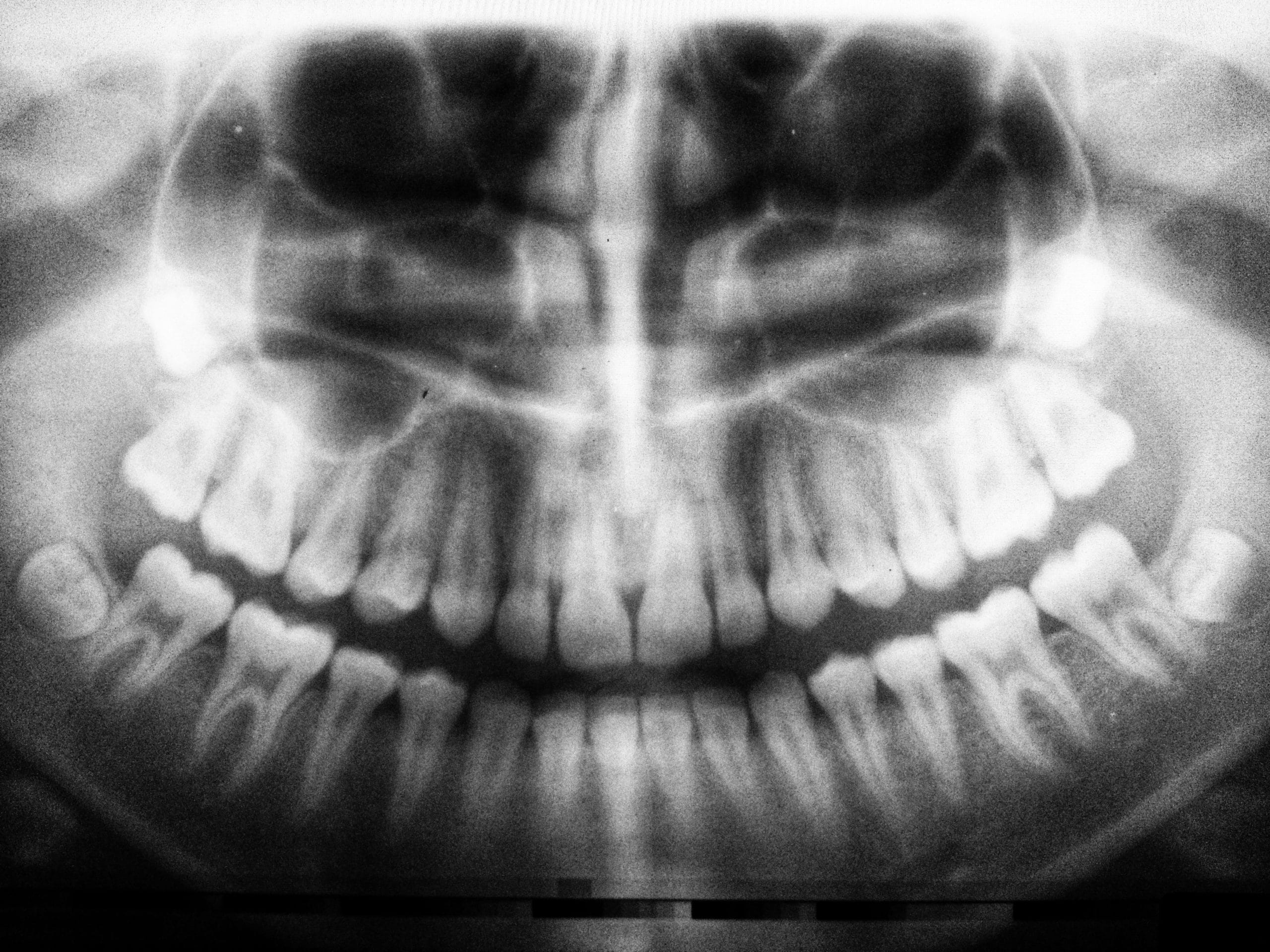
Do You Have to Remove All Four Wisdom Teeth?
No. Having four wisdom teeth does not automatically mean you need four extractions. Each tooth should be assessed individually. Removal may be recommended when a wisdom tooth is impacted, repeatedly infected, decayed beyond repair, damaging a neighboring tooth, associated with a cyst or other pathology, or at significant risk of causing problems.
If one or more wisdom teeth are healthy, fully erupted, positioned well, easy to clean, and not causing disease, monitoring may be reasonable. Ask your dentist why each tooth is being recommended for removal and what the alternatives are. Read more about symptoms of impacted wisdom teeth and what happens during impacted wisdom teeth surgery.
Benefits of Removing All Four Wisdom Teeth at Once
- One procedure: You may avoid scheduling separate surgeries for each side of your mouth.
- One main recovery period: Time off work, school, and normal activities can often be planned around a single recovery.
- One anesthesia appointment: Depending on your treatment plan, you may avoid undergoing sedation or anesthesia at multiple visits.
- Coordinated treatment: The surgeon can plan treatment for all teeth that need removal based on the same examination and imaging.
These are potential conveniences, not guarantees. The safest plan is the one that fits your teeth, medical history, and the complexity of the surgery.
Possible Disadvantages and Risks
Removing four teeth at once means that several areas of your mouth are healing simultaneously. You may experience:
- Swelling on both sides of the face, often most noticeable during the first few days.
- Jaw soreness or stiffness and temporary difficulty opening your mouth wide.
- Discomfort chewing, because both sides may be tender.
- Bleeding or bruising during early recovery.
- Dry socket or infection, which can occur after an extraction.
- Less commonly, injury to nearby structures, including nerves near lower wisdom teeth or the sinus near upper teeth. Your individual risk depends on anatomy and surgical difficulty.
- Risks related to sedation or general anesthesia, if used.
Your oral surgeon should explain the risks that apply to your X-rays and health history before you decide. If a lower wisdom tooth lies very close to a nerve, ask about the specific risk of temporary or persistent numbness or tingling and whether any alternative approach is appropriate.
Is It Better to Remove All Four at Once or One at a Time?
Neither option is best for everyone. Removing all four at once can reduce the number of appointments and recovery periods. Staging the surgery may be considered when the teeth differ greatly in complexity, a patient’s health or anesthesia considerations make a longer procedure less suitable, or the surgeon believes a staged approach is safer.
| Consideration | All four at once | Separate appointments |
|---|---|---|
| Appointments | Usually fewer visits for extraction | More visits may be needed |
| Recovery periods | One main recovery period | May involve multiple recovery periods |
| Eating | Both sides may be sore at the same time | Depending on the plan, one side may remain more comfortable |
| Procedure length and complexity | May be longer in one session | Each session may be shorter, but this varies |
| Best choice | Depends on overall health, anatomy, and surgical plan | Depends on overall health, anatomy, and surgical plan |
Discuss the advantages and disadvantages with your dentist or oral surgeon rather than choosing based on convenience alone.
What Happens During the Procedure?
- Examination and planning: The clinician reviews your symptoms, medical history, medications, and dental imaging.
- Anesthesia: Local anesthesia numbs the area. Sedation or general anesthesia may be considered depending on the procedure and your needs.
- Removal: A fully erupted tooth may be removed through the socket. An impacted tooth may require an incision, removal of a small amount of bone, or sectioning the tooth into smaller pieces.
- Cleaning and closure: The areas are cleaned and stitches may be placed when needed.
- Recovery instructions: You receive guidance about bleeding control, pain relief, food, oral hygiene, activity, and follow-up.

How Long Does Recovery Take After All Four Wisdom Teeth Are Removed?
Many people find that pain, swelling, and jaw stiffness are most noticeable during the first few days and then gradually improve. Some people feel much better within several days, while others need a week or two to resume their usual routine comfortably. Healing of the gum tissue and underlying bone takes longer than the initial improvement in symptoms.
| Time after surgery | What you may notice | Helpful approach |
|---|---|---|
| First 24 hours | Oozing, soreness, and early swelling may occur | Rest, follow gauze instructions, use cold packs as directed, and protect the blood clots |
| Days 2–3 | Swelling and jaw stiffness may become more noticeable | Use prescribed or approved pain relief and stick with soft foods |
| Days 4–7 | Symptoms should generally begin improving, although tenderness can remain | Continue careful oral hygiene and gradually increase activity as advised |
| Weeks 1–2 and beyond | Many people return toward normal routines; sockets continue healing | Follow your surgeon’s advice and attend any recommended follow-up |
Recovery varies with the depth of impaction, the difficulty of removal, age, general health, and individual healing. If pain or swelling gets worse rather than gradually better, contact your dentist or oral surgeon. See our guides to when wisdom teeth swelling peaks and how long jaw stiffness can last.
How to Prepare for Removing All Four Wisdom Teeth
- Follow the clinic’s exact instructions about eating and drinking before anesthesia. Fasting rules vary, and ignoring them can affect whether surgery can proceed safely.
- Tell the surgeon about all medicines, supplements, allergies, medical conditions, smoking or vaping, and any previous anesthesia problems. Do not stop prescribed medicines unless the clinical team tells you to.
- Arrange a responsible adult to take you home if you receive sedation or general anesthesia, and follow instructions about driving and supervision.
- Prepare soft foods and drinks for the first few days. Our wisdom teeth removal grocery list can help you plan.
- Plan time away from strenuous exercise, work, school, or caregiving responsibilities as advised by your clinician.
- Ask which pain medicines to use, how to manage bleeding, when to begin gentle rinsing and brushing, and whom to contact after hours.
Aftercare Tips When All Four Sites Are Healing
- Bite gently on gauze for the period advised if bleeding occurs; do not repeatedly disturb the sockets to check them.
- Rest and avoid strenuous exercise for the period recommended by your surgeon.
- Eat soft foods and drink fluids. Avoid hard, crunchy foods and do not use a straw during the early healing period unless your surgeon gives different instructions.
- Do not smoke or vape during recovery; this can impair healing and increase the risk of complications.
- Keep your mouth clean, but do not vigorously rinse or spit during the first day. Begin gentle rinsing and brushing according to your surgeon’s instructions.
- Use medication only as directed. Do not place aspirin directly on the gum or exceed the labeled dose of any over-the-counter medicine.
For more details, read our guides on when you can eat normal food again, when you can brush normally, and sleeping after wisdom teeth removal.
When to Call Your Dentist or Seek Emergency Care
Contact your dentist or oral surgeon promptly if you have severe or increasing pain, swelling that worsens after initially improving, fever, pus, a persistent bad taste, or bleeding that does not stop with the instructions you were given.
Seek emergency medical care for difficulty breathing or swallowing, rapidly spreading swelling of the mouth, face, or neck, or another symptom that feels immediately dangerous.
Frequently Asked Questions
Is removing all four wisdom teeth at once common?
Yes, it is a common treatment plan for suitable patients when the teeth need removal. The decision depends on the clinical examination, imaging, health history, and surgical complexity.
Is it more painful to remove all four wisdom teeth at once?
There may be more areas of soreness and swelling to manage because all four sites are healing together. The amount of pain varies from person to person and depends on the complexity of the extractions. The procedure itself should be performed with appropriate anesthesia.
Will I be asleep while all four wisdom teeth are removed?
Not always. Some procedures use local anesthesia alone, while others use sedation or general anesthesia. The choice depends on the difficulty of surgery, your health, anxiety, and the clinician’s recommendation.
How many days off work or school should I plan?
There is no single timeline for everyone. Some people return to light activities quickly, while more difficult extractions or physically demanding work may require more time off. Ask your surgeon for a plan based on your procedure.
Do all four wisdom teeth need to be removed if only one hurts?
No. Pain in one area does not automatically mean the other three teeth need removal. Each tooth should be assessed individually, and the clinician should explain the reason for recommending treatment for each one.
Can I eat normally after all four are removed?
Usually not immediately. Start with soft foods and gradually return to your usual diet as comfort improves and your surgeon advises. Avoid foods that are hard, crunchy, or likely to lodge in the sockets during early healing.
Sources and Further Reading
- American Association of Oral and Maxillofacial Surgeons: Is Removal of All 4 Wisdom Teeth Necessary?
- American Association of Oral and Maxillofacial Surgeons: Healing After Wisdom Tooth Extractions
- NHS: Wisdom Tooth Removal
- Cleveland Clinic: Wisdom Teeth Removal
Medical note: This article is for general education and does not replace an examination or individualized advice from a dentist or oral surgeon.
Looking for dental care options? Call to discuss the advertised dental service.
Call Now