Yes, wisdom teeth can sometimes cause pain that feels like it is coming from your ear. An impacted, inflamed, infected, or decayed wisdom tooth may cause pain that spreads through shared nerve pathways around the jaw and face. But ear pain has many causes, including ear infections, so it should not automatically be blamed on a wisdom tooth.
This guide explains the possible connection, symptoms to watch for, temporary relief, and when to seek professional care.
Can Wisdom Teeth Cause Ear Pain?
Wisdom teeth are the third molars at the back of your mouth. When one is erupting, impacted, decayed, or surrounded by inflamed gum tissue, discomfort may spread beyond the tooth and jaw. Some people feel an ache near or inside the ear on the same side.
This is called referred pain: pain is felt in a different area from its source. The teeth, jaw, face, and ear have overlapping sensory nerve pathways. Toothaches and TMJ disorders are among the possible causes of secondary ear pain, according to Cleveland Clinic.
Ear pain alone does not prove a wisdom tooth is responsible. Ear infection, earwax buildup, throat problems, and jaw-joint conditions can cause similar symptoms.
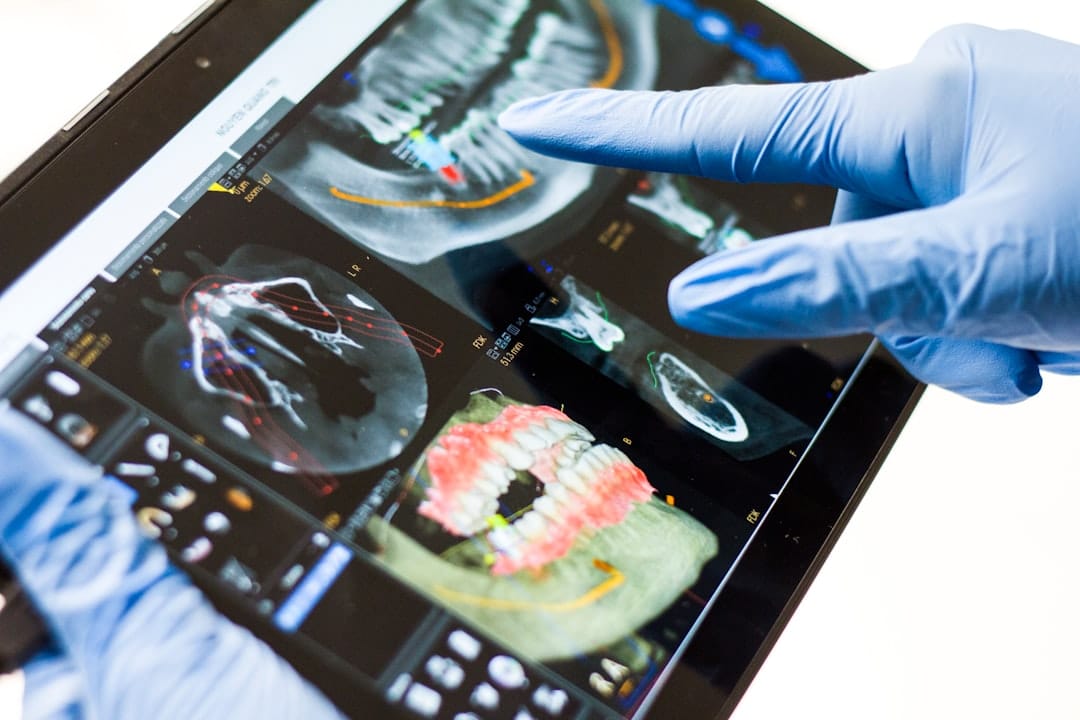
Why Wisdom Teeth May Make Your Ear Hurt
1. Impacted wisdom tooth
An impacted wisdom tooth is trapped partly or completely beneath the gum or jawbone, often because there is not enough room to erupt. It may cause pressure or pain in the back of the jaw that radiates toward the ear, cheek, or head. Some impacted teeth cause no symptoms.
A dentist can examine the area and take X-rays when indicated to assess the tooth’s position and nearby structures. Read more in the Cleveland Clinic’s impacted wisdom teeth guide.
2. Inflamed gum around a partially erupted tooth
A partly erupted wisdom tooth can leave a gum flap where food and bacteria collect. Inflammation or infection there is called pericoronitis. Symptoms may include sore or swollen gum behind the last molar, unpleasant taste, bad breath, and discomfort when chewing or opening the mouth. Pain may spread toward the ear.
Swelling, fever, pus, or worsening pain should be assessed promptly. Do not try to cut, puncture, or drain the gum yourself.
3. Tooth decay or dental abscess
Wisdom teeth are hard to reach when brushing and flossing. Decay or infection can cause toothache, sensitivity, gum swelling, or pain when biting. A dental abscess needs professional treatment; pain medicine alone cannot remove the source of infection.
4. Jaw muscle or TMJ irritation
The jaw joint sits just in front of each ear. Pain that worsens with chewing, yawning, or opening the mouth may involve the jaw joint or muscles, rather than the wisdom tooth itself. A clinician can help distinguish these causes.
Signs Your Ear Pain May Be Related to a Wisdom Tooth
Dental referred pain is more plausible when ear discomfort occurs with symptoms near the back of the mouth or jaw, such as:
- Pain or tenderness behind the last molar.
- Red, swollen, or sore gum around a wisdom tooth.
- Jaw ache or discomfort while chewing.
- Difficulty opening the mouth fully or jaw stiffness.
- Bad taste, bad breath, or drainage near the back tooth.
- Facial or jaw swelling.
These clues cannot confirm the cause. Hearing changes, fluid from the ear, or ear pain without dental symptoms may indicate an ear condition and should be assessed medically.
Wisdom Tooth Pain vs. an Ear Infection
| Clue | Possible association |
|---|---|
| Back molar or gum pain, swollen gum, pain with chewing | Wisdom tooth or another dental problem |
| Ear discharge, hearing change, or ear fullness | Ear condition requiring medical assessment |
| Pain near the ear that increases with jaw movement | TMJ or jaw muscle problem; dental causes are also possible |
| Fever, worsening swelling, or feeling unwell | Possible infection requiring prompt care |
Symptoms overlap, and dental and ear problems can occur together. A dentist can check your teeth and gums. If the dental exam does not explain the pain, or you have ear-specific symptoms, contact a physician or ENT specialist.
How to Relieve Wisdom Tooth-Related Ear Pain Temporarily
These measures may ease mild discomfort while you arrange an appointment. They do not treat a cavity, abscess, or significant infection.
Rinse gently with warm salt water
Dissolve about half a teaspoon of salt in a glass of warm water, rinse gently, and spit it out. Do not swallow it or forcefully rinse a very painful area.
Use a cold compress
Wrap a cold pack in a thin towel and apply it to the outside of your cheek for short intervals. Do not put ice directly on your skin or gum.
Choose soft foods and keep the area clean
Choose soft foods and chew on the other side if comfortable. Brush gently with a soft toothbrush. Do not poke the gum or place aspirin, alcohol, garlic, or irritating substances directly on it.
Ask about pain medicine
Acetaminophen (paracetamol) or ibuprofen may help some people, but neither is suitable for everyone. Follow the package directions and ask a pharmacist or clinician if you have medical conditions, take other medicines, are pregnant, or are unsure. Never exceed the recommended dose. Do not use leftover antibiotics or take antibiotics without a prescription.
When to See a Dentist or Doctor
Arrange a dental appointment for recurring or persistent pain near a wisdom tooth, gum swelling, pain when chewing, or difficulty opening your mouth. A dentist may examine the area and take X-rays when appropriate. Not every impacted wisdom tooth needs removal; treatment depends on symptoms and examination findings. The NHS explains that wisdom teeth without problems are often monitored at routine checkups.
Seek urgent dental or medical care for severe or worsening pain, facial or jaw swelling, fever, pus, or feeling very unwell. Get emergency help immediately for difficulty breathing or swallowing, rapidly spreading swelling, or swelling affecting your neck or eye area.
Contact a healthcare professional promptly for ear pain with hearing loss, fluid or blood from the ear, significant swelling around the ear, or symptoms that persist or worsen. Do not assume these are caused by wisdom teeth.
Related Wisdom Teeth Guides
Continue reading: Symptoms of impacted wisdom teeth, what to eat after wisdom teeth removal, and when you can use a straw after removal. Also see when you can brush after removal.
Frequently Asked Questions
Can a lower wisdom tooth cause ear pain?
A lower wisdom tooth with inflammation, decay, or impaction may cause jaw pain felt near the ear on the same side. An examination is needed to identify the cause.
Can wisdom tooth ear pain come and go?
Yes, dental or jaw discomfort may fluctuate, especially with chewing or jaw movement. Recurrent pain should still be evaluated.
Will removing a wisdom tooth stop ear pain?
If the tooth is confirmed as the source, treating the dental problem may relieve referred pain. Extraction will not treat an ear infection, TMJ disorder, or another unrelated cause.
Can wisdom teeth cause ear pain without a toothache?
Referred pain may sometimes be felt away from its source. However, ear pain without dental symptoms has many possible causes and should be assessed if persistent or concerning.
The Bottom Line
Wisdom teeth can sometimes cause ear pain through referred pain, particularly with inflammation, impaction, decay, or infection. Because ear and jaw pain have several possible causes, an examination is safer than assuming a wisdom tooth is responsible. Seek urgent help for spreading swelling, fever with worsening symptoms, or trouble breathing or swallowing.
Medical disclaimer: This article is for educational purposes only and is not a substitute for professional dental or medical diagnosis or treatment.
Looking for dental care options? Call to discuss the advertised dental service.
Call Now