
Updated November 18, 2026
Quick answer
A sandwich sounds like the easiest meal in the world — until you've just had your wisdom teeth out. Bread needs chewing, crusts are hard, and fillings can fall apart into the socket. The good news: sandwiches come back sooner than most people expect, as long as you build them the right way. The Short …
A sandwich sounds like the easiest meal in the world — until you’ve just had your wisdom teeth out. Bread needs chewing, crusts are hard, and fillings can fall apart into the socket. The good news: sandwiches come back sooner than most people expect, as long as you build them the right way.
The Short Answer: Not in the first few days. Most people can try a very soft sandwich — soft white bread with the crust removed and a smooth filling — from around day 5. Normal sandwiches with crusty bread, crunchy fillings, and chewy meat are best left until weeks 3–4. Always follow your oral surgeon’s specific instructions.
Why Sandwiches Are Tricky After Wisdom Teeth Removal
A sandwich combines several problems for a healing mouth:
- Bread needs chewing. Even soft bread requires more jaw work than soup or yogurt, and your jaw is still stiff and sore in the first days.
- Crusts are hard. The crust is the hardest, chewiest part of any sandwich and the most likely to irritate the socket or strain your jaw.
- Fillings fall apart. Loose fillings — shredded lettuce, raw onion, tomato slices, crunchy pickles — can break off and lodge in the open socket.
- Chewy fillings strain the jaw. Tough deli meat, chewy steak, and hard cheese all demand strong chewing.
- Dry bread sticks. Dry bread can cling to the socket area and is awkward to rinse away.
The trick is to control the bread, the filling, and the size — and to wait until day 5 before trying at all.
When Can You Eat a Sandwich After Wisdom Teeth Removal?
| Stage | Sandwich status |
|---|---|
| Days 1–4 | No sandwiches. Cool liquids and very soft foods only — your jaw needs rest, and bread needs chewing. |
| Day 5 | Yes — very soft sandwiches only: soft white bread with the crust removed, smooth fillings like mashed avocado, hummus, soft cheese, or well-mashed egg salad. Cut into small pieces. |
| Days 6–7 | Yes — soft sandwiches are usually fine now. You can try thin slices of soft deli meat or smooth peanut butter. Still no crust, no raw vegetables, no crunchy fillings. |
| Days 8–14 | Yes — most soft sandwiches are fine. Lightly toasted soft bread is usually OK, and you can add soft tomato or cucumber (peeled, seeds removed). Still avoid crusty bread and crunchy fillings. |
| Weeks 3–4 | Most people can eat normal sandwiches again, including crusty bread and crunchy fillings, as long as chewing is comfortable and there is no pain or swelling. |
Healing speed varies. Surgical or impacted extractions need more caution than simple ones. If your jaw still hurts when you open wide, wait a few more days — the sandwich isn’t going anywhere.
How to Eat a Sandwich Safely the First Time
When you do try a sandwich again, a few small changes make it much safer:
- Use very soft bread. Soft white bread or soft wholemeal bread is the safest choice. Remove all the crust — it’s the hardest part.
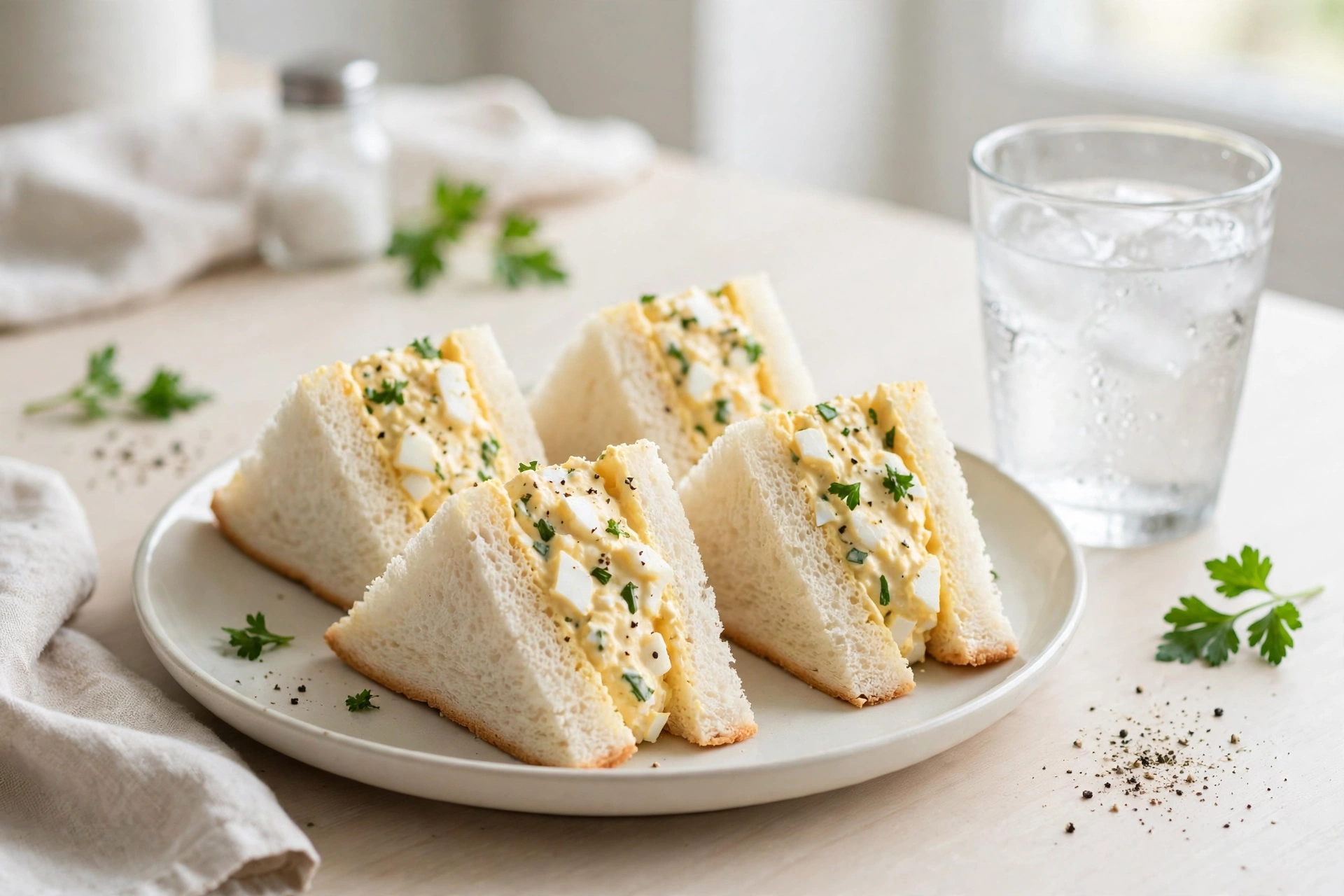
- Choose smooth fillings. Mashed avocado, hummus, soft cheese, cream cheese, well-mashed egg salad, and smooth peanut butter are all good first choices.
- Keep it moist. A dry sandwich is harder to chew and swallow. A little butter, mayonnaise, or soft cheese spread helps it go down easily.
- Cut it into small pieces. Small, manageable pieces mean less chewing and less jaw strain. Cut the sandwich into quarters, not halves.
- Chew away from the extraction sites. Use the opposite side of your mouth, and chew slowly.
- Skip the extras. No raw onion, no pickles, no crisps inside the sandwich, no seeds on the bread — at least until weeks 3–4.
- Rinse gently afterwards. Rinse with warm salt water after eating to flush out any crumbs near the sockets.
What About Specific Sandwiches?
- Peanut butter sandwich — smooth peanut butter on soft white bread (crust removed) is fine from around day 5. Avoid crunchy peanut butter and chunky nuts until weeks 3–4.
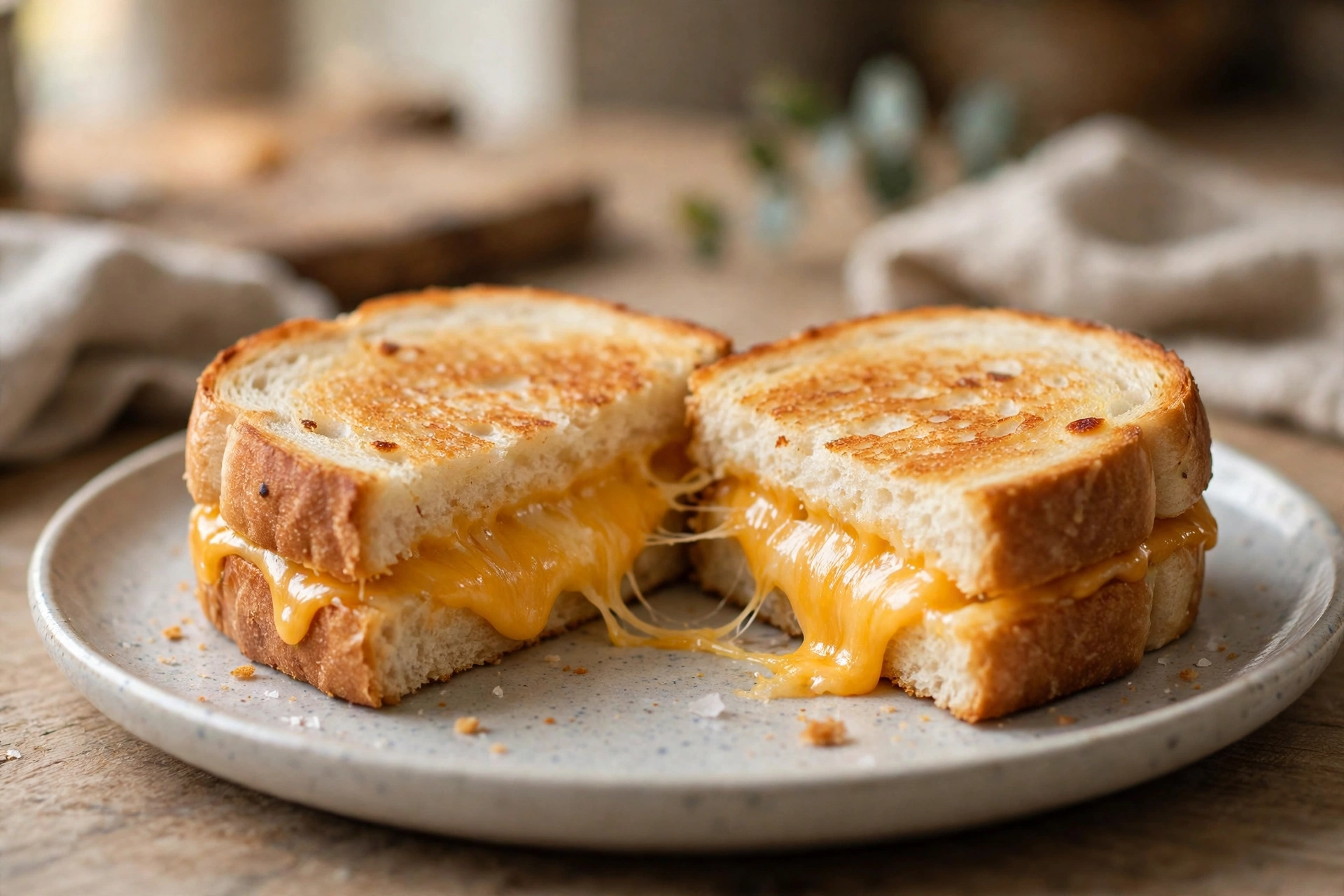
- Grilled cheese — soft bread with melted cheese is a good day 5–6 option, as long as the bread isn’t toasted crisp. Let it cool to lukewarm first.
- Egg salad sandwich — soft and easy, fine from around day 5 if the eggs are well mashed and there is no crunchy celery. Use soft bread, no crust.
- Tuna sandwich — mashed canned tuna in water, with a little mayonnaise, is soft and easy from around day 6–7. Skip tuna with crunchy celery or onion mixed in.
- Ham or turkey sandwich — thin slices of soft deli meat are usually fine from around day 6–7. Avoid thick, chewy cuts and cured meats that are tough.
- BLT — wait until weeks 3–4. The bacon is crispy, the lettuce is raw, and the tomato is acidic — three problems at once.
- Sub or hoagie — wait until weeks 3–4. The crusty roll is far too hard and chewy for early healing.
For the full day-by-day picture of what you can eat and when, see our wisdom teeth recovery food timeline.
Sandwich Alternatives While You Wait
If the craving is really about something filling and easy, these are safer stand-ins during the first few days:
- Soft pasta with a mild cheese sauce — similar comfort, none of the chewing.
- Mashed potato with melted cheese — warm (not hot), soft, and satisfying.
- Smooth soup with soft bread for dipping — dip very soft bread (no crust) into lukewarm soup until it goes soft.
- Scrambled eggs — soft, high in protein, and easy to eat from day 3.
Frequently Asked Questions
Q: Can you eat a sandwich after wisdom teeth removal?
Not in the first few days. Most people can try a very soft sandwich — soft white bread with the crust removed and a smooth filling — from around day 5. Normal sandwiches with crusty bread and crunchy fillings should wait until weeks 3–4.
Q: When can I eat a sandwich after wisdom teeth removal?
Day 5 is the usual starting point for a very soft sandwich: soft bread, no crust, smooth filling, cut into small pieces. By days 8–14, most soft sandwiches are fine. Normal sandwiches, including crusty bread, are usually safe from weeks 3–4.
Q: Can I eat a peanut butter sandwich after wisdom teeth removal?
Yes — smooth peanut butter on soft white bread (crust removed) is fine from around day 5. Avoid crunchy peanut butter and whole nuts until weeks 3–4, since hard pieces can lodge in the socket.
Q: Can I eat a grilled cheese sandwich after wisdom teeth removal?
Yes, from around day 5–6. Use soft bread, don’t toast it crisp, and let it cool to lukewarm before eating. Melted cheese on soft bread needs very little chewing.
Q: Can a sandwich cause dry socket?
A sandwich itself doesn’t directly cause dry socket, but eating one too early raises the risk. Vigorous chewing, hard crusts, and crumbs lodging in the socket can disturb the blood clot — and a disturbed clot is what leads to dry socket. Wait until day 5, start soft, and chew away from the extraction sites.
Q: Can I eat bread after wisdom teeth removal?
Very soft bread is usually fine from around day 5, with the crust removed and cut into small pieces. Hard, crusty bread and bagels should wait until weeks 3–4. In the first few days, stick to liquids and very soft foods.
Q: What sandwich fillings are safe after wisdom teeth removal?
The safest fillings in the first week are smooth ones: mashed avocado, hummus, soft cheese, cream cheese, well-mashed egg salad, smooth peanut butter, and mashed canned tuna. Avoid raw onion, pickles, lettuce, tomato, and anything crunchy until the sockets have started to close.
Bottom Line
Sandwiches are a day-5 food at the earliest, not a day-one food. Wait until day 5, then start with the softest version: soft white bread, crust removed, smooth filling, cut into small pieces, chewed away from the sockets. Skip the crust, skip the crunch, and rinse gently afterwards. By weeks 3–4, most people are back to eating sandwiches normally.