
Updated November 11, 2026
Quick answer
Chocolate is the comfort food most people reach for when they're feeling rough — and after wisdom teeth removal, a little chocolate can genuinely lift your mood. The good news is that chocolate is one of the easier treats to eat during recovery. The bad news is that not all chocolate is equal, and the …
Chocolate is the comfort food most people reach for when they’re feeling rough — and after wisdom teeth removal, a little chocolate can genuinely lift your mood. The good news is that chocolate is one of the easier treats to eat during recovery. The bad news is that not all chocolate is equal, and the wrong kind can cause problems.
The Short Answer: Yes — smooth, plain chocolate is usually fine from day 2–3, in small amounts. Melted chocolate, chocolate pudding, and smooth milk chocolate are the safest choices. Avoid chocolate with nuts, crunchy pieces, or hard fillings until weeks 3–4, and rinse gently with warm salt water after eating. Always follow your oral surgeon’s specific instructions.
Which Chocolate Is Safe? A Quick Comparison
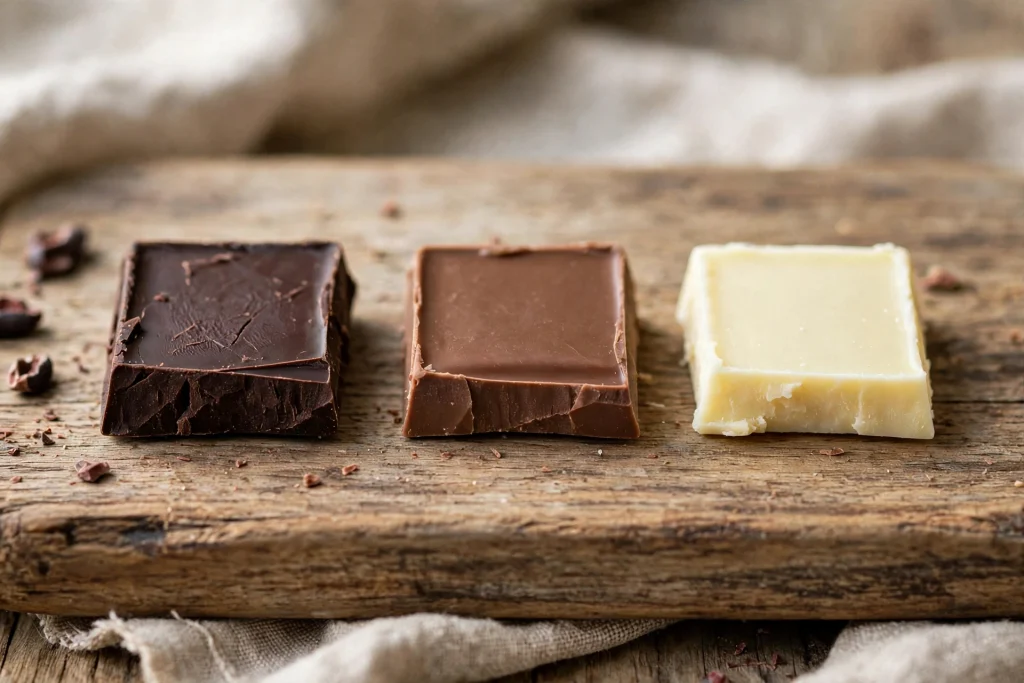
Not all chocolate behaves the same in a healing mouth. Here’s how the common types compare:
| Chocolate type | Texture | Sugar | Safe from |
|---|---|---|---|
| Smooth milk chocolate | Melts easily, very soft | High | Day 2–3, small amounts |
| Dark chocolate (plain, no nuts) | Melts, slightly firmer | Lower than milk | Day 3–4, small amounts |
| White chocolate | Very soft, melts fast | Very high | Day 2–3, small amounts |
| Chocolate pudding / mousse | Spoon-soft, no chewing | High | Day 1–2 |
| Hot chocolate (lukewarm) | Liquid, no chewing | High | Day 2, once bleeding has slowed |
| Chocolate with nuts or crunchy pieces | Hard, crumbly | High | Weeks 3–4 |
| Chocolate-covered biscuits or bars | Crunchy, crumbly | High | Weeks 3–4 |
The pattern is simple: if it melts, it’s safe early. If it crunches, it waits.
Why Chocolate Works (Mostly) After Wisdom Teeth Removal
Chocolate has a few things going for it as a recovery treat:
- It melts. Smooth chocolate melts in your mouth, so your sore jaw barely has to work.
- It’s soft. No crumbs, no sharp edges, nothing hard to lodge in the socket.
- It’s comforting. After surgery, a small familiar treat can genuinely improve your mood — and that matters when the first days feel rough.
- Dark chocolate has a bonus. Plain dark chocolate contains flavonoids, compounds that may help calm inflammation. It’s not medicine, but it’s a better choice than milk chocolate if you like the taste.
The main downside is sugar. Chocolate is high in sugar, and sugar feeds the bacteria around a healing wound. That’s why portions should stay small and a gentle rinse afterwards matters.
When Can You Eat Chocolate After Wisdom Teeth Removal?
- Day 1: Chocolate pudding or mousse is fine once bleeding has slowed and the numbness has worn off — it’s spoon-soft and needs no chewing. Skip solid chocolate on day 1.
- Days 2–3: Small amounts of smooth milk or white chocolate, eaten slowly and allowed to melt. Skip anything with nuts or crunchy pieces.
- Days 4–7: Plain dark chocolate is fine now, and so is lukewarm hot chocolate. Still avoid chocolate with hard fillings, nuts, or biscuit pieces.
- Days 8–14: Most chocolate is fine, including chocolate with soft fillings like caramel or smooth nougat. Still avoid hard nuts and crunchy toffee pieces.
- Weeks 3–4: Normal chocolate eating resumes, including nut bars and chocolate-covered biscuits, as long as chewing is comfortable.
Healing speed varies. Surgical or impacted extractions need more caution than simple ones. If your jaw still hurts when you open wide, stick with pudding and melted chocolate a few days longer.
How to Eat Chocolate Safely the First Time
- Let it melt, don’t chew. Hold a small piece on your tongue and let it melt rather than biting down. Less chewing means less strain on the sockets.
- Keep portions small. A couple of squares is plenty. Too much sugar feeds mouth bacteria, and too much of anything sweet can increase sensitivity.
- Choose plain chocolate first. No nuts, no crunchy pieces, no hard caramel, no biscuit. Plain milk or dark chocolate is the safest starting point.
- Eat it at room temperature. Very cold chocolate straight from the fridge can sting sensitive teeth. Let it warm up for a few minutes first.
- Rinse gently afterwards. A gentle rinse with warm salt water after eating clears away sugar and residue near the sockets. Don’t spit forcefully or rinse vigorously.
- Don’t eat chocolate right before bed without rinsing. Sugar sitting on healing tissue overnight is the worst timing — always rinse after an evening treat.
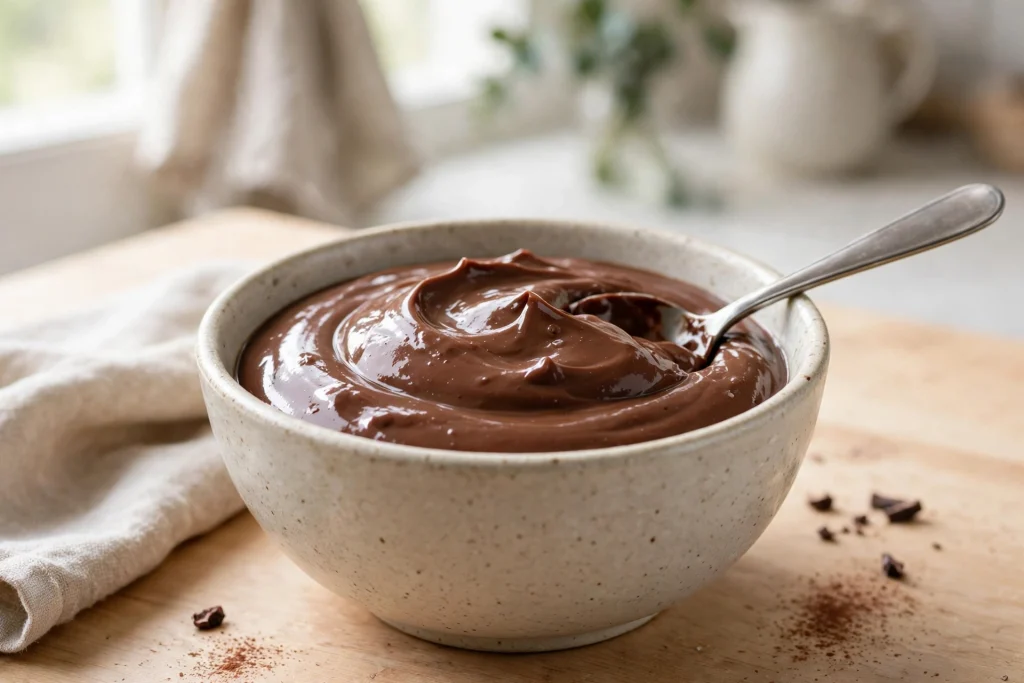
A Recovery-Friendly Chocolate Pudding
If solid chocolate feels too risky, this smooth pudding gives you the chocolate flavour with zero chewing:
- Ingredients: 1 ripe banana, 2 tablespoons cocoa powder, 3 tablespoons Greek yogurt, 1 teaspoon honey, a splash of milk.
- Method: Blend everything until completely smooth. Chill for 30 minutes. Eat with a spoon.
- Why it works: No chunks, no crunch, and the yogurt adds protein that supports healing. It’s safe from day 1–2, once bleeding has slowed.
For the full day-by-day picture of what you can eat and when, see our wisdom teeth recovery food timeline.
Frequently Asked Questions
Q: Can you eat chocolate after wisdom teeth removal?
Yes — smooth, plain chocolate is usually fine from day 2–3, in small amounts. Melted chocolate, chocolate pudding, and smooth milk chocolate are the safest choices. Avoid chocolate with nuts, crunchy pieces, or hard fillings until weeks 3–4.
Q: Can you eat chocolate the day after wisdom teeth removal?
Chocolate pudding or mousse is fine on day 1–2, once bleeding has slowed and the numbness has worn off. Solid chocolate is best from day 2–3, in small amounts, allowed to melt rather than chewed.
Q: Is dark chocolate OK after wisdom teeth removal?
Yes, from around day 3–4. Plain dark chocolate melts easily and has less sugar than milk chocolate. Avoid dark chocolate with nuts, sea salt crystals, or crunchy pieces until weeks 3–4.
Q: Can chocolate cause dry socket?
Chocolate itself does not cause dry socket. The risk comes from vigorous chewing, hard pieces lodging in the socket, or disturbing the blood clot. Smooth chocolate that melts in your mouth has none of these problems. Crunchy chocolate eaten too early is riskier.
Q: Can I drink hot chocolate after wisdom teeth removal?
Yes, from around day 2 — but let it cool to lukewarm first. Very hot drinks can increase bleeding and irritate the sockets in the first 24 hours. Lukewarm hot chocolate, drunk from a cup (never through a straw), is fine.
Q: What chocolate should I avoid after wisdom teeth removal?
Avoid chocolate with nuts, crunchy toffee, hard caramel, biscuit pieces, or anything that crumbles into hard bits. Chocolate-covered biscuits, nut bars, and crunchy chocolate bars should all wait until weeks 3–4.
Bottom Line
Chocolate is one of the friendlier treats after wisdom teeth removal — as long as it’s smooth. Pudding and mousse from day 1–2, smooth milk or white chocolate from day 2–3, plain dark chocolate from day 3–4, and crunchy or nutty chocolate from weeks 3–4. Keep portions small, let it melt, and rinse gently afterwards. If it hurts, or the cold stings sharply, take a break and try again in a day or two.