
Updated November 16, 2026
Quick answer
The Short Answer: Yes, But the Cut Matters More Than the Meat So, can you eat pork after wisdom teeth removal? Yes — but not all pork is equal, and timing matters a lot. A soft piece of pork tenderloin is a completely different eating experience from a chewy pork chop or a rack of …
The Short Answer: Yes, But the Cut Matters More Than the Meat
So, can you eat pork after wisdom teeth removal? Yes — but not all pork is equal, and timing matters a lot. A soft piece of pork tenderloin is a completely different eating experience from a chewy pork chop or a rack of ribs. The first week after surgery is all about protecting the extraction sites while still getting enough protein to heal, and pork can absolutely help with that — if you pick the right cut and cook it the right way.
Most people can start with very tender, well-cooked pork around day 3 to 5. Tougher cuts, anything you have to tear with your teeth, and anything heavily seasoned or spicy should wait until at least day 7 to 10, and ribs are really a week-two food at the earliest.
This guide compares the common pork cuts head to head, walks you through a day-by-day timeline, and shows you how to cook pork so it’s genuinely soft enough for a healing mouth.
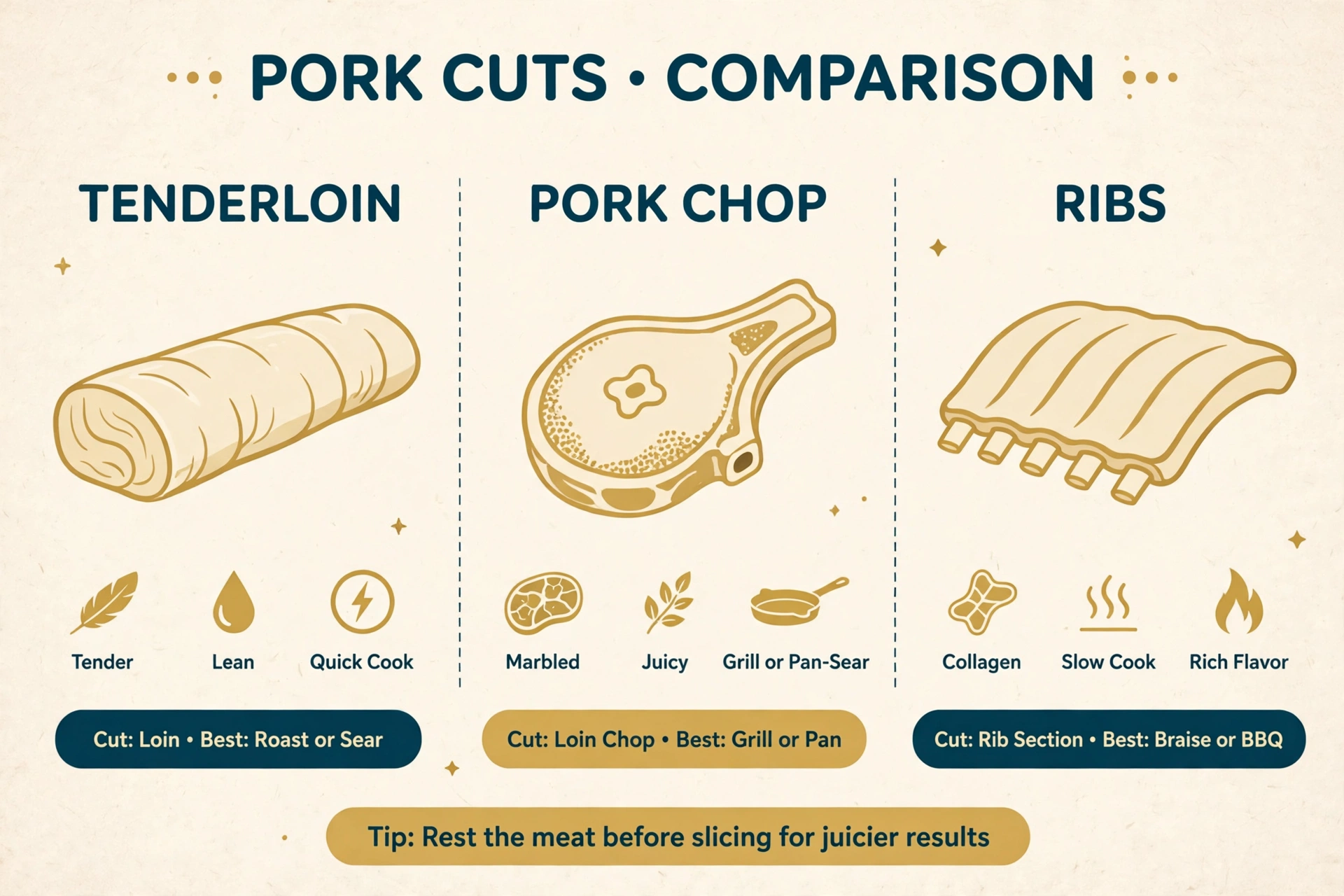
Pork Cuts Compared: What’s Safe and When
Not all pork behaves the same in your mouth. Here’s how the most common cuts stack up during recovery.
| Pork cut | Texture when cooked | Earliest safe day | Recovery verdict |
|---|---|---|---|
| Pork tenderloin | Very tender, almost melts | Day 3–5 | Best choice — soft, lean, easy to chew |
| Pulled pork (slow-cooked) | Shredded, falls apart | Day 4–6 | Excellent — no real chewing needed |
| Ground pork | Soft, crumbly | Day 4–5 | Good in meatballs, patties, or sauces |
| Pork chops (boneless) | Can be tender or tough | Day 7–10 | Okay only if cooked gently and cut small |
| Ham (deli-sliced, thin) | Soft but salty | Day 5–7 | Fine in small amounts; watch the salt |
| Sausages | Chewy casing, greasy | Day 10–14 | Wait — casings and fat irritate sockets |
| Bacon | Crisp, crumbly, salty | Day 10–14 | Small amounts only; crumbs get trapped |
| Pork ribs | Tough, tear-off-the-bone | Day 14+ | Last on the list — heavy chewing required |
The pattern is simple: the less chewing a cut demands, the sooner you can eat it. Tenderloin and pulled pork win because they practically fall apart. Ribs and sausage lose because they ask your jaw to work hard — exactly what you don’t want while the sockets are still closing.
Day by Day: When to Eat Pork After Wisdom Teeth Removal
Days 1–2: No pork yet
Stick to liquids and very soft foods — yogurt, smoothies, mashed potatoes, broth. Your sockets are fresh, and even soft meat is too much right now. This is the time for the foods on your wisdom teeth recovery food timeline, not for experimenting with meat.
Days 3–5: Tender pork makes its debut
Now you can try small pieces of pork tenderloin, cooked until it’s soft all the way through and cut into tiny, bite-size pieces. Ground pork in a soft meatball or mixed into mashed potatoes also works well. Chew slowly, on the side opposite your extraction sites if you can, and stop if anything hurts. Keep portions small — a few bites is a win, not a full plate.
Days 6–7: Pulled pork and ham join in
Slow-cooked pulled pork is a great day-six food because it’s already shredded — your teeth barely have to do anything. Thin-sliced ham is usually fine too, though the salt can sting a little if a socket is still raw, so rinse your mouth with warm salt water after eating. If you’ve been eating the best foods to eat after wisdom teeth removal all week, this is a natural next step.
Days 8–10: Chops, carefully
Boneless pork chops can work now, but only if they’re cooked gently — think pan-seared on low heat or baked in a little broth so they stay moist. Dry, overcooked chops are tough and stringy, which is the opposite of what you need. Cut each bite small, and skip the fatty edge. If a chop feels like work to chew, put it down and try again in a few days.
Days 11–14: Sausage and bacon, in moderation
Sausages and bacon can come back now, but keep portions small and expectations realistic. Sausage casings are chewy and can catch on a healing socket, so remove the casing or choose skinless sausage. Bacon should be cooked soft, not shatteringly crisp — crumbs love to hide in sockets. And ribs? Give them a few more days. Biting and tearing meat off a bone is one of the hardest things you can ask a healing jaw to do.
Day 14 and beyond: Back to normal, mostly
By two weeks, most people are eating pork normally again. If your sockets still feel tender, or your dentist told you healing is slower than usual, keep cutting meat small for another week. There’s no prize for rushing it.
How to Cook Pork So It’s Soft Enough
Cooking method matters as much as the cut. A tenderloin cooked badly can be tougher than a chop cooked well. Here’s what works:
- Slow cook it. A pork shoulder or tenderloin in a slow cooker for several hours comes out shreddable with a fork. This is the single best recovery cooking method for pork.
- Braise, don’t fry. Cooking pork in a little broth or water keeps it moist. Frying dries the outside out and makes it harder to chew.
- Use a meat thermometer. Pork is safe at 145°F (63°C) with a short rest. Overcooking is the main reason pork turns tough, so don’t guess.
- Cut against the grain. Slicing across the muscle fibers shortens them, which makes every bite easier to chew. This is a small step that makes a big difference.
- Keep seasoning gentle. Salt, garlic, and mild herbs are fine. Skip chili flakes, hot sauce, and heavy pepper for the first week — spice can sting raw tissue.
- Serve it with something soft. Mashed potatoes, applesauce, or steamed vegetables alongside make the whole meal easier and keep you from chewing dry meat alone.
What to Watch Out For
Pork is safe for most people during recovery, but a few things can cause trouble. Small, hard pieces — like crispy bacon bits or the crusty edge of a chop — can get lodged in a socket and are hard to rinse out. Greasy pork can also upset a stomach that’s already running on a limited diet, so keep portions modest at first.
Watch for signs that you ate something too soon: sharp pain at the socket, food that won’t rinse out, bleeding that restarts, or swelling that gets worse instead of better. If any of that happens, go back to soft foods for a couple of days and call your dentist if it doesn’t settle.
The Bottom Line
Pork is a perfectly good recovery food once you respect the timeline. Start with tenderloin or pulled pork around day 3 to 5, add chops around day 7 to 10, and save ribs, sausage, and bacon for week two. Cook it moist, cut it small, and let your mouth set the pace.
Frequently Asked Questions
Can I eat pork on day 3 after wisdom teeth removal?
Yes, but only very tender pork, like well-cooked tenderloin or ground pork, cut into tiny pieces. Avoid anything chewy, and stop if chewing causes pain.
Is pulled pork safe after wisdom teeth removal?
Yes — pulled pork is one of the best pork options during recovery. Slow cooking makes it fall apart, so it needs almost no chewing. Just make sure the sauce isn’t spicy, and rinse your mouth after eating.
Can I eat pork chops after wisdom teeth removal?
Not in the first week. Boneless pork chops are usually okay from day 7 to 10 if they’re cooked gently and kept moist, then cut into small pieces. Dry or tough chops should wait longer.
Can I eat bacon after wisdom teeth removal?
Wait until around day 10 to 14. Bacon is salty, greasy, and crumbly, and the crumbs can get trapped in sockets. When you do eat it, cook it soft rather than crisp and keep the portion small.
Can I eat sausage after wisdom teeth removal?
Wait until at least day 10. Sausage casings are chewy and can catch on healing tissue. Skinless sausage or sausage with the casing removed is a safer choice when you do try it.
Is pork good for healing after wisdom teeth removal?
Yes, pork is a good source of protein, zinc, and B vitamins, all of which support healing. Lean, tender cuts like tenderloin give you those nutrients without demanding much chewing, which is exactly what recovery calls for.