
Updated November 3, 2026
Quick answer
Have stitches on your cheeks after wisdom teeth removal? Learn why sutures are placed near the inner cheek, how long they take to dissolve, what discomfort is normal, and when to call your oral surgeon.
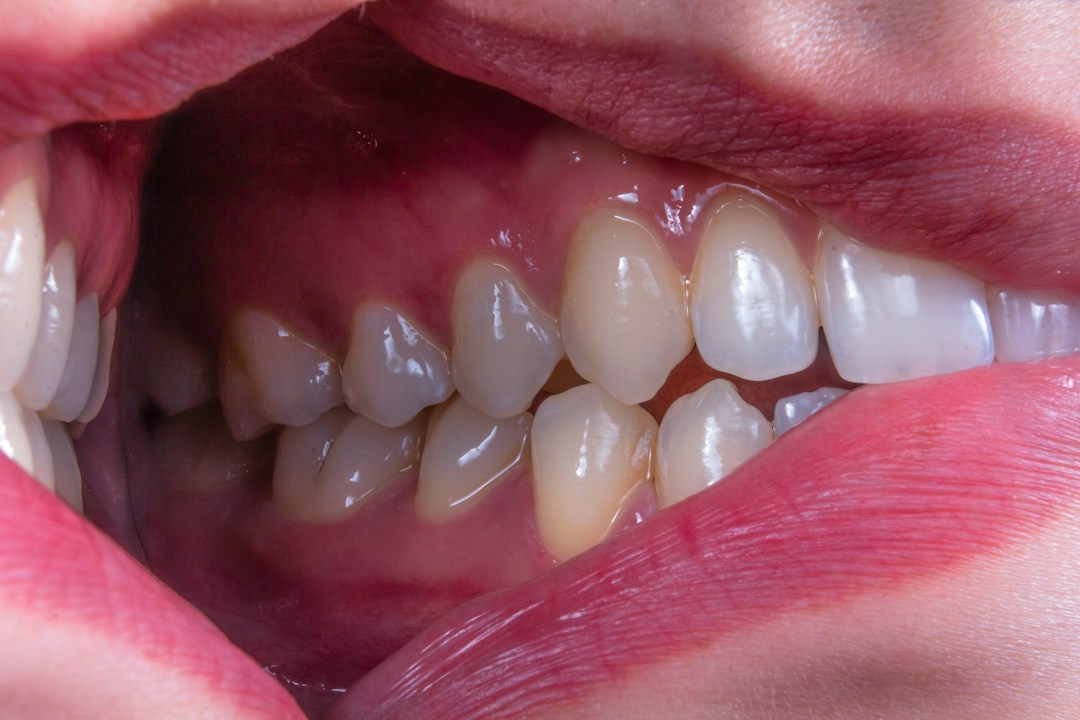
Noticing stitches along the inside of your cheek after wisdom teeth removal can be surprising. In many cases, however, the sutures are actually placed in the gum tissue behind the last molar, close to the inner cheek. They help hold the surgical tissue in position while the extraction site begins to heal.
These stitches may feel tight, scratchy, or mildly uncomfortable, especially when you move your tongue, chew, or open your mouth. Most dissolvable oral sutures loosen and disappear on their own, but the exact timing depends on the material your surgeon used. Do not pull or cut a stitch yourself.
Why Do You Have Stitches on Your Cheeks After Wisdom Teeth Removal?
Wisdom teeth sit at the very back of the mouth, close to the cheek lining. If a tooth is impacted or covered by gum tissue, an oral surgeon may make an incision or lift a small gum flap to reach it. After removing the tooth, the surgeon may place sutures to bring the gum tissue back together.
Because the surgical site is so far back, the sutures can feel as though they are attached to your cheek. Usually, they are in the gum tissue beside the extraction site rather than stitched through the cheek itself. If a stitch appears to pass through your actual cheek lining, or you cannot tell where it is attached, contact your surgeon for an examination.
- To close the incision: Sutures help hold the edges of the gum tissue together.
- To stabilize the gum flap: They keep the tissue in position as early healing begins.
- To support bleeding control: They can help stabilize the wound while a blood clot forms.
- To protect the surgical area: They reduce movement of the tissue at the incision site.
Not every wisdom tooth extraction needs stitches. Their use depends on the tooth’s position and the type of surgery. The NHS explains that the gum may be stitched when necessary, often with dissolvable stitches: wisdom tooth removal and recovery.
What Do Wisdom Teeth Sutures in the Cheek Area Look Like?
Sutures near the cheek-side gum may look like short threads or tiny knots behind the last molar. Depending on the material, they may be dark, blue, clear, or nearly transparent. You might notice a small knot, a short thread end, or a loop near the gum line.
It is also common to feel the thread with your tongue before you can clearly see it. A thread that feels rough does not automatically mean the wound is infected or that the stitch is incorrectly placed. If it repeatedly scratches your cheek or causes significant discomfort, ask your dental office to check it rather than trying to adjust it yourself.
How Long Do Wisdom Teeth Stitches Take to Heal?
Many dissolvable stitches used in oral surgery disappear within about 7 to 14 days, while some materials can take up to 2 or 3 weeks. A few may loosen or fall out sooner. The timing varies with the suture material, the procedure, and individual healing.
The stitch dissolving and the gum fully healing are not exactly the same thing. The thread may disappear while deeper tissue is still recovering. Follow the aftercare instructions from your own surgeon, who knows which type of suture was used.
| General timeframe | What you may notice |
|---|---|
| First 1–2 days | The area may feel tender or tight, with expected post-surgery swelling. |
| Days 3–7 | Soreness should generally begin settling; a thread may feel looser as swelling changes. |
| Days 7–14 | Many dissolvable sutures begin to disappear or fall out. |
| Weeks 2–3 | Some longer-lasting dissolvable sutures may still be present. |
These are broad estimates, not a promise that every stitch will dissolve on a particular day. Cambridge University Hospitals notes that oral sutures commonly dissolve in around 10 days to two weeks, while other hospital guidance allows up to three weeks depending on the material.
Do Wisdom Teeth Stitches Hurt?
They can contribute to discomfort, but soreness after surgery usually comes from the healing gum and surrounding tissues as well as the sutures. You may notice:
- A pulling or tight feeling near the back of your mouth.
- Mild soreness when opening your mouth or chewing.
- A scratchy sensation if a thread end touches your cheek.
- Tenderness when food comes near the extraction site.
- Temporary jaw stiffness or swelling after a difficult extraction.
Symptoms should generally trend toward improvement. Pain that becomes severe, increases after it had started to settle, or is not controlled by the plan provided by your surgeon needs a dental review.
Why Do Wisdom Teeth Stitches Hurt When You Open Your Mouth?
Opening your mouth moves and stretches the cheek and gum tissues around the back molars. Those tissues may still be swollen and tender after surgery, so movement can create a pulling sensation around the sutures. Do not force your jaw open. If stiffness or pain is worsening rather than gradually improving, contact your oral surgeon.
How to Relieve Pain From Stitches on Cheeks After Wisdom Teeth Removal
1. Use a cold compress when advised
A cold pack against the outside of the cheek may help with swelling and discomfort during the first day or two. Wrap it in a cloth and follow your surgeon’s instructions for timing. Do not put ice directly on the gum or stitches.
2. Choose soft foods
For the first few days, choose foods that need little chewing, such as yogurt, applesauce, mashed potatoes, scrambled eggs, oatmeal, and cooled smooth soup. Avoid crunchy chips, nuts, seeds, popcorn, and hard foods that can irritate the wound or become trapped near the sutures. See our guide to foods to eat after wisdom teeth removal for more ideas.
3. Keep your mouth clean without disturbing the wound
Follow your surgeon’s instructions about rinsing. Many postoperative plans advise avoiding rinsing for the first 24 hours, then using gentle warm saltwater rinses after meals. Do not swish forcefully or spit hard. Brush the other teeth carefully and avoid scraping the surgical site.
4. Use pain relief only as directed
Your dentist or oral surgeon may recommend an appropriate over-the-counter pain reliever or prescribe medication. Follow the label and your clinician’s directions, and check first if you have a medical condition, take other medicines, are pregnant, or are unsure whether a medicine is safe for you. Do not place an aspirin tablet directly on the gum.
5. Do not touch, pull, or cut the stitches
A loose thread can be tempting to investigate with your tongue or fingers, but pulling may irritate the tissue or disturb the wound. If a thread is hanging or rubbing against your cheek, call the dental office. Let the clinician decide whether it needs trimming or removal.
What Should You Do If Wisdom Teeth Stitches Are Rubbing Against Your Cheek?
A thread end or knot may brush against the inner cheek when you speak, chew, or move your mouth. Try not to keep testing it with your tongue. Eat soft foods, keep the area clean as instructed, and contact your oral surgeon if the irritation persists or is painful.
Your surgeon can inspect the site and decide whether the thread is behaving normally or needs adjustment. Do not use scissors, tweezers, or your fingers to trim or reposition it at home.
What Happens If Wisdom Teeth Stitches Fall Out Early?
A dissolvable stitch can loosen or fall out before you expected. This does not automatically mean the extraction site has reopened. What matters is whether the gum edges remain together and whether you have new bleeding, worsening pain, or other concerning symptoms.
Contact your surgeon if the incision looks open, the tissue appears separated, bleeding restarts or persists, or pain and swelling are getting worse. Do not try to replace a missing stitch yourself.
Are Stitches on the Cheeks After Wisdom Teeth Removal Normal?
Sutures in the gum near the inner cheek are common after some wisdom tooth surgeries. Mild tenderness, a pulling feeling, and temporary swelling can occur during recovery. The following comparison can help you decide when to ask for advice:
| Can occur during normal recovery | Needs a call to your dentist or surgeon |
|---|---|
| Mild soreness that gradually improves | Severe pain or pain that gets worse after improving |
| Some swelling in the first few days | Increasing or rapidly spreading swelling |
| A stitch becoming loose as it dissolves | The wound appears to open or the gum edges separate |
| Temporary jaw stiffness | Fever, pus, or feeling increasingly unwell |
| A small amount of blood-tinged saliva early on | Bleeding that will not stop with the instructed pressure |
Seek emergency medical help for difficulty breathing or swallowing, or rapidly increasing swelling that affects your airway. Contact your dental professional promptly about fever, pus, uncontrolled bleeding, or worsening pain or swelling.
When Should You Call Your Dentist About Wisdom Teeth Sutures?
Contact your oral surgeon or dentist if you notice any of the following:
- Pain that is severe, worsening, or not responding to the recommended pain-relief plan.
- Swelling that continues to increase rather than settle.
- Pus or drainage from the surgical area.
- Fever or chills.
- Bleeding that does not stop when you follow the postoperative instructions.
- A wound that looks open or stitches that appear to be pulling the tissue apart.
- A thread that is cutting or persistently irritating your cheek.
These symptoms do not establish a diagnosis on their own, but they do deserve professional assessment. For a broader overview of what to expect, read our wisdom teeth recovery guide and wisdom tooth extraction healing stages.
Frequently Asked Questions
How long do stitches on cheeks last after wisdom teeth removal?
Many dissolvable oral stitches disappear in about 7 to 14 days, although some take up to 2 or 3 weeks. Your surgeon can tell you what to expect based on the material used.
Can wisdom teeth stitches get stuck in your cheek?
A knot or loose thread end can rub against the inner cheek and feel as though it is caught there. Do not pull it. Ask your dental office to check it if it is painful or keeps rubbing.
Why do my wisdom teeth stitches hurt when I eat?
Chewing moves the cheek and stretches healing tissues near the extraction site. Choose soft foods and avoid hard or crunchy items until your surgeon says you can return to your usual diet.
Can I brush my teeth with stitches after wisdom teeth removal?
Usually, yes. Brush carefully while avoiding direct trauma to the surgical site. Follow your own postoperative instructions about when and how to clean around the stitches.
Do wisdom teeth stitches dissolve on their own?
Many are absorbable and dissolve without removal. Some are non-dissolvable and need to be removed at a follow-up appointment. Your surgeon should tell you which type you have.
What if my wisdom teeth stitches are hanging out?
A hanging thread may be a dissolving stitch that has loosened. Do not pull or cut it yourself. Call your dental office if it scratches your cheek or you are concerned about the wound.
Can stitches cause swelling inside my cheek?
Swelling after wisdom tooth surgery is usually part of the body’s response to the procedure, rather than the stitch alone. It should generally begin to improve. Increasing swelling or swelling with fever, pus, or worsening pain needs prompt dental advice.
Can I use saltwater to clean wisdom teeth stitches?
Many surgeons recommend gentle warm saltwater rinses after the first 24 hours, but instructions vary. Follow the plan you were given and avoid vigorous swishing or forceful spitting.
Conclusion
Stitches that seem to be on your cheeks after wisdom teeth removal are often sutures placed in the gum near the inner cheek. They help support the surgical tissue while healing begins. Mild tightness or irritation can happen, and many dissolvable stitches disappear within one to three weeks.
Keep the area clean according to your surgeon’s instructions, eat soft foods, and do not pull or cut the thread. If pain or swelling worsens, you develop a fever or pus, bleeding persists, or the wound appears to open, contact your dentist or oral surgeon.
Medical Sources
- NHS: Wisdom tooth removal
- Cambridge University Hospitals: Surgery to the mouth and jaws – postoperative advice
- Hull University Teaching Hospitals: Oral and maxillofacial surgery postoperative instructions
- American Association of Oral and Maxillofacial Surgeons: Wisdom tooth extraction postoperative instructions
Educational information only; it does not replace advice from your own dentist or oral surgeon. Follow the postoperative instructions provided for your procedure.