
Updated November 3, 2026
Quick answer
Wisdom teeth can make gum disease harder to prevent. Learn how gingivitis, periodontitis, and pericoronitis differ, what symptoms to watch for, and when to see a dentist.
Periodontal disease around wisdom teeth can develop when plaque and bacteria collect near the back molars, where cleaning is often difficult. A wisdom tooth that has only partly erupted (sometimes an impacted wisdom tooth) can also leave a gum flap that traps food and bacteria, causing a separate problem called pericoronitis. Both conditions can make the gum behind your last molar sore, swollen, or prone to bleeding—but they are not the same diagnosis.
Yes, wisdom teeth can be associated with gingivitis and periodontal disease. They may be difficult to clean, and inflammation or periodontal damage can affect the wisdom tooth or the neighboring second molar. A dentist needs to examine the area and may take X-rays to determine whether the problem is plaque-related gingivitis, pericoronitis, periodontitis, or another condition.
Can Wisdom Teeth Cause Periodontal Disease?
Wisdom teeth do not automatically cause gum disease. The main driver of common periodontal disease is dental plaque: a sticky bacterial film that collects on teeth and along the gumline. When plaque is not removed, it can irritate the gums and cause gingivitis. Over time, plaque can harden into tartar, which needs professional removal. In some people, inflammation progresses deeper and damages the tissues and bone supporting the teeth.
Wisdom teeth can make this process more likely in a particular area because they sit at the very back of the mouth. Their position, partial eruption, crowding, or an awkward angle may make brushing and flossing around the tooth and the neighboring molar difficult. The American Dental Association notes that partially erupted wisdom teeth can allow bacteria to enter the gum and that gum disease is one reason a wisdom tooth may need removal.
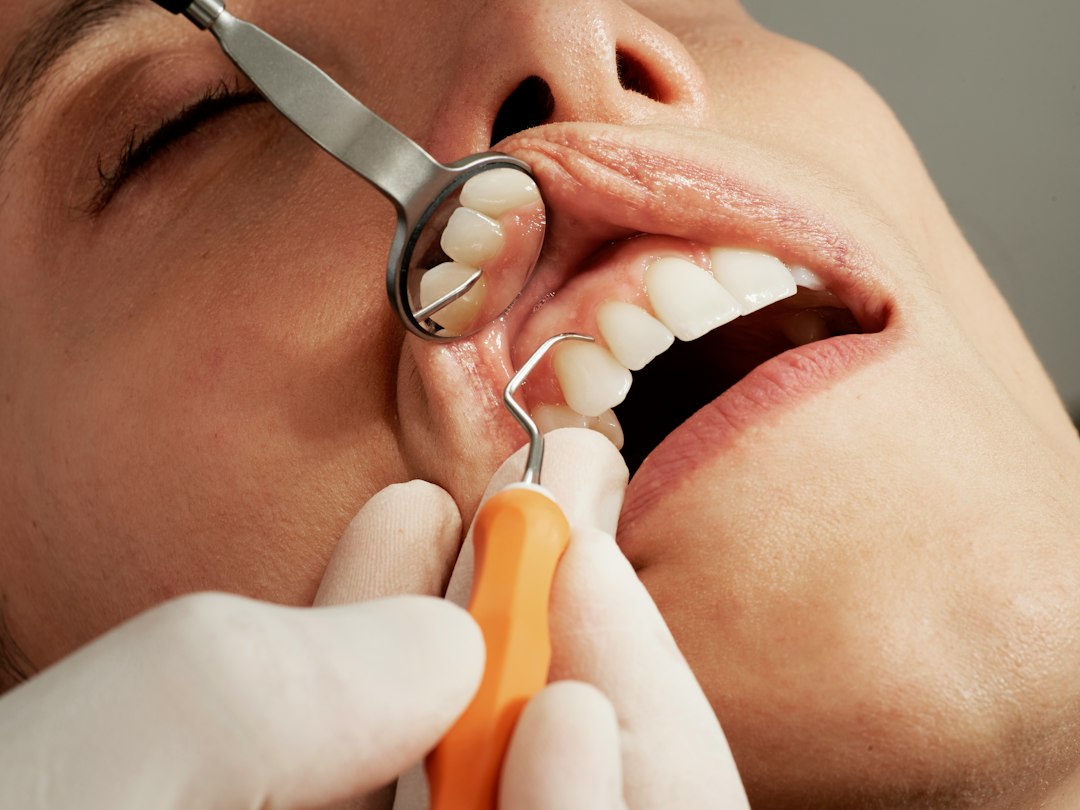
Periodontal Disease vs. Gingivitis vs. Pericoronitis
People sometimes use “gum infection” to describe several different problems. Knowing the distinction helps explain why a dentist may recommend a cleaning, periodontal treatment, or wisdom tooth evaluation.
Gingivitis
Gingivitis is the early stage of gum disease. Plaque at the gumline causes inflammation, so the gums may look red, feel puffy or tender, and bleed when brushing or flossing. Gingivitis has not yet caused the bone loss that defines periodontitis. With consistent daily plaque removal and professional cleaning when needed, gingivitis is usually reversible.
Periodontitis
Periodontitis is a more advanced form of periodontal disease. Inflammation affects the supporting tissues and bone around teeth. Gums may recede, pockets may deepen between the teeth and gums, and teeth can become loose or painful when chewing. Periodontitis cannot simply be brushed away; professional care can control it and slow further damage.
Pericoronitis
Pericoronitis is inflammation, sometimes with infection, in the gum tissue around a partially erupted tooth—commonly a lower wisdom tooth. A flap of gum can cover part of the crown and trap food and bacteria underneath. Symptoms may include localized pain, swelling, a bad taste, bad breath, or difficulty opening the mouth. It is not the same thing as chronic periodontitis, although both involve gum inflammation.
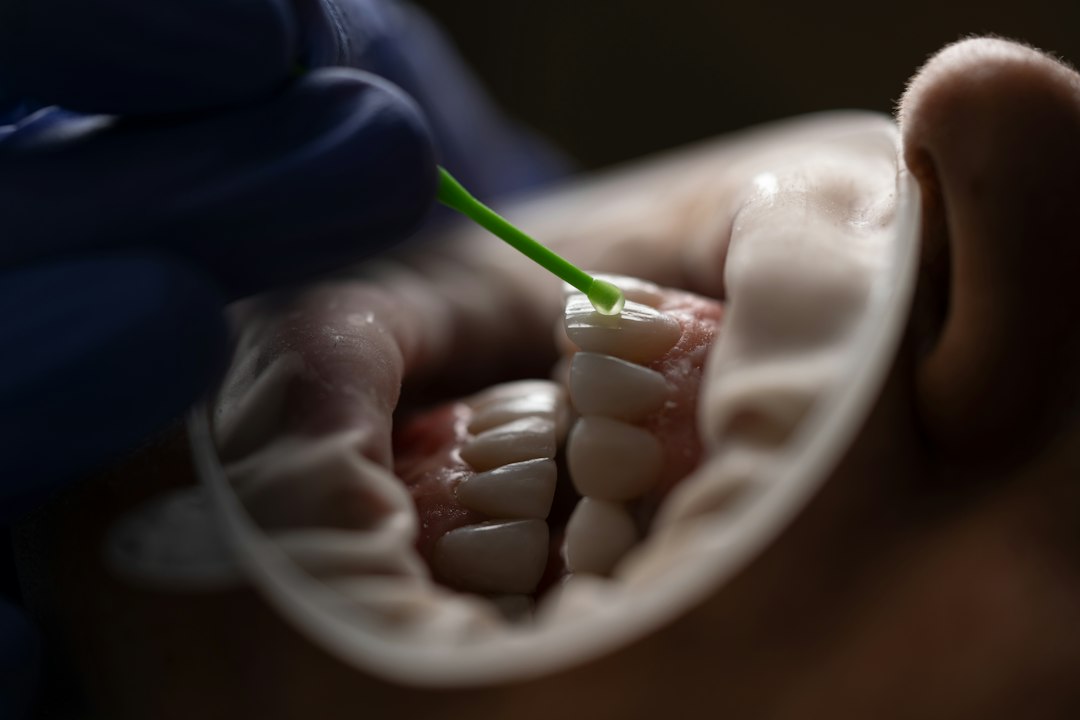
Signs of Gum Disease Around a Wisdom Tooth
Symptoms depend on the condition and its severity. Look for changes around the wisdom tooth and the molar directly in front of it, including:
- Red, swollen, shiny, or tender gum tissue behind the last molar
- Bleeding when brushing, flossing, or touching the gumline
- Food repeatedly getting trapped around the wisdom tooth
- Persistent bad breath or an unpleasant taste
- Pain when chewing or when the upper tooth bites on swollen gum
- Gum recession, a visible gap or pocket, or a tooth that feels loose
- Pus, increasing swelling, or pain that keeps returning
A wisdom tooth problem can also be present without obvious pain. Gum disease may be relatively quiet in its early stages, so regular dental examinations matter even when the area feels normal.
How Dentists Diagnose Periodontal Problems Near Wisdom Teeth
A dentist will ask about your symptoms and medical history, inspect the gum tissue, and check how easily it bleeds. They may measure the spaces between the teeth and gums with a periodontal probe. Deeper pockets can suggest periodontal damage. Dental X-rays may be used to assess the position of the wisdom tooth, decay, and any loss of supporting bone.
The examination should include the second molar in front of the wisdom tooth. A difficult-to-clean wisdom tooth can contribute to plaque retention or periodontal problems on the neighboring tooth, even when the wisdom tooth itself is not painful.
Treatment for Periodontal Disease Around Wisdom Teeth
Treatment depends on what the examination shows. There is no single home remedy or procedure that is right for every swollen gum near a wisdom tooth.
For plaque-related gingivitis
- Brush twice daily with a fluoride toothpaste, using a soft-bristled brush and gentle technique along the gumline.
- Clean between teeth daily with floss or an interdental cleaner that fits the space.
- Arrange a professional cleaning if plaque or tartar has accumulated.
- Follow the dental professional’s advice about any recommended rinse or additional cleaning tools.
Gingivitis often improves when plaque is consistently removed. Hardened tartar cannot be removed safely with home brushing or flossing and needs professional cleaning.
For periodontitis
A dentist or periodontist may recommend scaling and root planing (a deeper cleaning below the gumline), periodontal maintenance visits, or other treatment based on pocket depth and bone support. More advanced cases may need specialist or surgical care. Treatment aims to control infection and prevent further damage; lost supporting bone does not reliably grow back just because the area is cleaned.
For pericoronitis around a partially erupted wisdom tooth
A dental professional may gently clean or irrigate the area and recommend appropriate pain relief or an antiseptic rinse. Antibiotics are not automatically needed for every episode; a clinician decides whether they are appropriate, particularly if infection is spreading or systemic symptoms are present. If the tooth cannot erupt into a healthy, cleanable position or episodes keep recurring, removal may be discussed. In selected cases, other procedures may be considered.
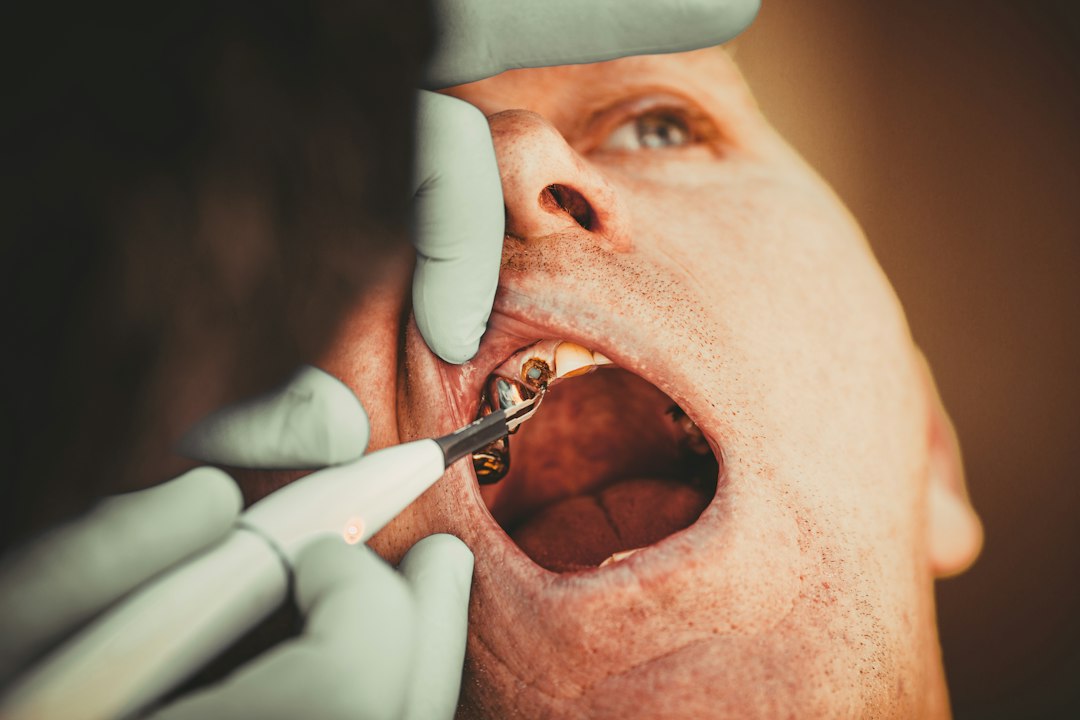
Can You Prevent Gum Disease Around Wisdom Teeth?
You cannot control the angle or amount of space available for a wisdom tooth, but you can reduce plaque buildup and arrange early assessment when the area is hard to clean.
- Brush twice a day for two minutes with fluoride toothpaste. Aim the bristles gently toward the gumline and reach the very back molars.
- Clean between the last molar and the wisdom tooth every day if the area is accessible. Ask your dentist to demonstrate a safe technique.
- Do not force floss or sharp objects under a swollen gum flap. Avoid digging at the tissue.
- Keep regular dental checkups and professional cleanings, even if the wisdom teeth are not painful.
- Avoid tobacco products. Smoking increases the risk of gum disease and can make treatment less successful.
- If you have diabetes, follow your care plan and tell your dental professional, because diabetes is associated with a higher risk of gum disease.
When Should You See a Dentist?
Arrange a dental appointment promptly if you have recurring swelling, bleeding, tenderness, bad taste, persistent bad breath, or pain around a wisdom tooth. Also book an assessment if food is consistently trapped behind the last molar or you have been told that a wisdom tooth is impacted.
Seek urgent dental or medical care now if you notice signs of a spreading wisdom tooth infection or if swelling is spreading into your face, jaw, or neck; you have fever or feel significantly unwell; you cannot open your mouth normally; or you have trouble swallowing. Difficulty breathing or rapidly worsening swelling is an emergency—call 911 in the United States or go to an emergency department.
Does Periodontal Disease Mean Your Wisdom Tooth Must Be Removed?
No. A diagnosis of gingivitis or periodontal disease does not automatically mean a wisdom tooth must come out. The decision depends on whether the tooth can be kept clean, whether there is ongoing infection or damage, the condition of the neighboring molar, the tooth’s position, and whether treatment can predictably control the problem.
The ADA explains that removal may be considered when there is evidence of gum disease, infection, decay that cannot reasonably be restored, damage to nearby teeth, or other pathology. A dentist or oral surgeon should review the clinical findings and X-rays with you. If a wisdom tooth is healthy, fully erupted, functional, and cleanable, monitoring may be appropriate.
Frequently Asked Questions
Can wisdom teeth cause gingivitis?
They can contribute to localized gingivitis if their position makes plaque difficult to remove around the gumline. The wisdom tooth itself is not the direct cause; plaque buildup triggers the inflammation. Daily cleaning and professional care can help reverse gingivitis.
What is periodontal wisdom tooth disease?
This phrase usually refers to periodontal inflammation or damage affecting the gum and supporting tissues around a wisdom tooth, or sometimes the second molar beside it. A dentist must determine whether it is gingivitis, periodontitis, or pericoronitis.
How do I know if it is pericoronitis or gum disease?
Pericoronitis often causes a sore, swollen gum flap around a partially erupted wisdom tooth and may cause a bad taste or difficulty opening the mouth. Gingivitis more often causes red, swollen, easily bleeding gum margins. Periodontitis may cause deeper pockets, gum recession, bone loss, or loose teeth. Symptoms overlap, so an examination is needed.
Can gum disease around a wisdom tooth go away on its own?
Mild irritation may settle, but recurring swelling, bleeding, or pain should not be ignored. Gingivitis can often be reversed with effective plaque removal, while tartar and periodontitis need professional assessment and treatment. Pericoronitis can recur if the gum flap continues to trap debris.
Can periodontal disease damage the tooth next to a wisdom tooth?
Yes. Plaque can collect between a wisdom tooth and the second molar, and periodontal disease can affect the supporting tissues of either tooth. A dentist can assess the neighboring molar with probing and X-rays.
Should I use mouthwash for swollen wisdom tooth gums?
A mouth rinse may be recommended as part of care, but it does not replace brushing, interdental cleaning, or professional treatment. Do not rely on mouthwash alone to treat persistent swelling, pus, fever, or worsening pain.
The Bottom Line
Wisdom teeth can make gum care more difficult and may be associated with gingivitis, periodontal damage, or pericoronitis—especially when a tooth is partly erupted or poorly positioned. These conditions need different approaches, so do not assume every swollen gum is periodontitis. Keep the area clean without injuring it, arrange a dental examination for persistent or recurring symptoms, and seek urgent care for spreading swelling, fever, or trouble swallowing or breathing.
Health information notice: This article is for general educational purposes and is not a substitute for an examination, diagnosis, or personalized treatment from a licensed dental professional.