
Updated October 30, 2026
Quick answer
Can wisdom teeth get cavities? Learn the signs of a rotten wisdom tooth, whether fillings are possible, treatment options, and when removal may be necessary.
Yes, wisdom teeth can get cavities just like other permanent teeth. They may be especially vulnerable to decay because they sit at the very back of the mouth, where brushing and flossing can be difficult. A cavity does not always mean the tooth must be removed: if it is fully erupted, accessible, and restorable, a dentist may recommend a filling. An impacted, severely decayed, or difficult-to-clean wisdom tooth may be better treated with extraction.
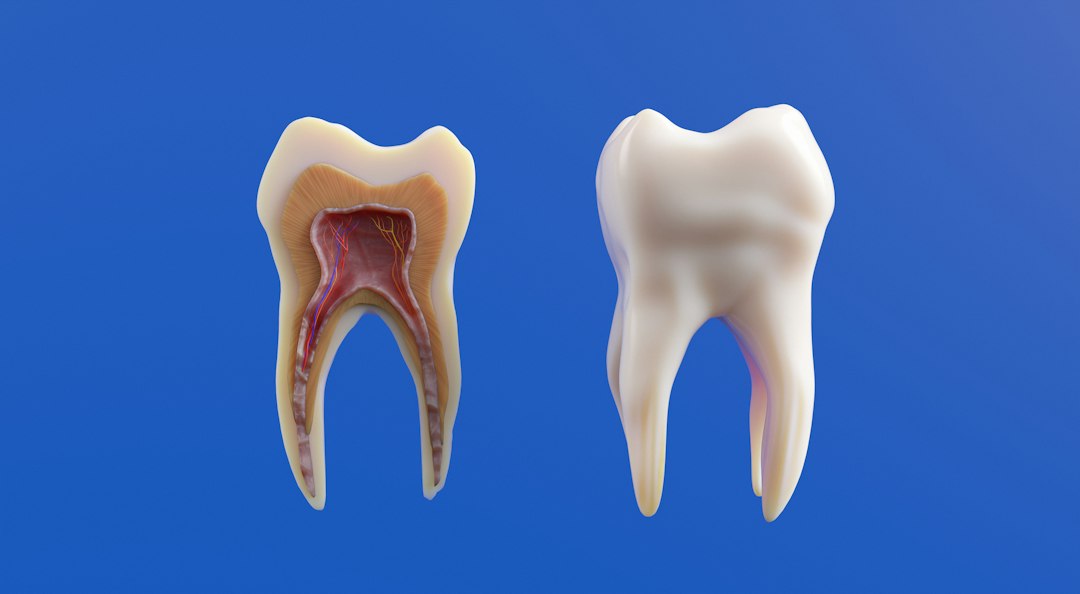
Can Wisdom Teeth Get Cavities?
Yes. Wisdom teeth are permanent third molars and can develop tooth decay when plaque bacteria produce acids that damage enamel. Their position behind the second molars can make them harder to reach with a toothbrush or floss. Food and plaque may collect around partially erupted teeth, deep grooves, or tight spaces between a wisdom tooth and the neighboring molar.
A cavity can also develop on the second molar next to a wisdom tooth. This is one reason a dentist may recommend an examination and dental X-rays when decay or pain is suspected at the back of the mouth.
What Does a Cavity in a Wisdom Tooth Look Like?
A wisdom tooth cavity may look like a brown or black spot, a small pit, a visible hole, or a damaged area on the chewing surface. However, discoloration is not always decay, and some cavities form between teeth or beneath the surface where they cannot be seen in a mirror. A dental examination is needed to confirm the cause.
- Brown or dark spots on the tooth.
- A visible hole, pit, or rough area.
- Food repeatedly getting stuck around the same tooth.
- A weakened or broken section of the tooth.
- Sometimes, no visible change at all.
Symptoms of a Wisdom Teeth Cavity
Early decay may cause no symptoms. As a cavity gets deeper, possible symptoms include:
- Toothache: discomfort around the last tooth at the back of the mouth.
- Hot or cold sensitivity: a sharp sensation when eating or drinking something hot or cold.
- Pain when chewing: discomfort when biting down on food.
- Dark spots or a hole: visible changes on the tooth, although hidden cavities are also possible.
- Bad taste or bad breath: food and bacteria trapped around a decayed tooth can contribute to an unpleasant taste or odor.
- Gum tenderness or swelling: this may occur with gum inflammation around a partially erupted wisdom tooth and is not proof of a cavity by itself.
Can You Have a Cavity in a Wisdom Tooth With No Pain?
Yes. A cavity can develop without pain, particularly while decay is limited to the outer tooth layers. Enamel does not contain nerves, so early damage may not cause noticeable discomfort. You may be able to chew normally and still have decay. Do not wait for a toothache before arranging a dental checkup if you notice a dark spot, food trapping, or another change.
Cavity vs. Wisdom Tooth Pain: What Is the Difference?
A cavity causes pain when tooth decay damages the tooth. Wisdom tooth pain can also come from impaction, pressure, or inflammation or infection of the gum around a partially erupted tooth (pericoronitis). Symptoms overlap, so pain alone cannot identify the cause.
| Feature | Cavity pain | Eruption or impaction pain |
|---|---|---|
| Typical location | In or around the decayed tooth | Back of the jaw or gum |
| Hot/cold sensitivity | Can occur, especially with deeper decay | Not necessarily present |
| Pain when chewing | Possible | Possible |
| Gum swelling | May occur if infection develops | Can occur with inflammation around a partly erupted tooth |
| Visible hole | Sometimes | Not usually caused by impaction itself |
Can You Get a Filling on a Wisdom Tooth?
Yes. A dentist may place a filling if the wisdom tooth is sufficiently erupted, can be reached and cleaned, and has enough healthy structure to support a restoration. A filling is more likely to be practical when the tooth is positioned well and can be maintained with daily oral hygiene.
A filling may not be the best option if the tooth is impacted, partly covered by gum, difficult to access, severely damaged, or unlikely to remain clean and healthy. The dentist will consider the tooth’s position, the size and location of the cavity, the condition of the surrounding gum, and the long-term outlook.
Wisdom Tooth Cavity Filling: What Happens?
If a filling is suitable, treatment is generally similar to a filling on another molar:
- Examination: the dentist checks the tooth and surrounding gum.
- X-rays when needed: images can help reveal decay between teeth or assess the wisdom tooth’s position.
- Numbing: local anesthetic may be used to keep the area comfortable.
- Decay removal: the dentist removes the decayed tooth structure.
- Restoration: suitable filling material is placed to repair the tooth.
- Bite check: the dentist checks that the restored tooth does not interfere with your bite.
If decay is extensive or the tooth cannot be restored predictably, the dentist may discuss another treatment or extraction instead.
When Does a Wisdom Tooth Need a Filling vs. Removal?
Having a cavity does not automatically mean a wisdom tooth must be pulled. The decision depends on whether the tooth can be treated successfully and kept clean afterward.
| Situation | Possible approach |
|---|---|
| Small cavity in a fully erupted, accessible tooth | Filling may be appropriate |
| Decay with enough healthy tooth structure remaining | Filling or another restoration |
| Extensive decay or a tooth that cannot be restored predictably | Extraction may be recommended |
| Impacted or partly erupted tooth that cannot be kept clean | Extraction may be considered |
| Decay affecting the neighboring second molar | Both teeth should be assessed and treated as needed |
Can a Rotten Wisdom Tooth Be Saved?
Sometimes. “Rotten wisdom tooth” is an everyday phrase for significant tooth decay. Whether the tooth can be saved depends on how much healthy structure remains, whether the pulp is affected, and whether the tooth can be accessed and maintained. Treatment may involve a filling, a larger restoration, or—in selected cases—root canal treatment and restoration. Extraction may be more appropriate when the tooth is severely damaged or has a poor long-term outlook.
Root canal treatment is not practical for every wisdom tooth. Its position, root anatomy, accessibility, and usefulness in the bite all matter. A dentist can explain the likely benefits and limitations of trying to preserve it.
What Happens If You Leave a Wisdom Tooth Cavity Untreated?
An established cavity does not repair itself. Without appropriate care, decay can progress through the enamel and dentin and may eventually affect the pulp. Possible consequences include:
- Deeper decay and increasing tooth damage.
- Sensitivity or persistent toothache.
- Inflammation or infection inside the tooth.
- Damage to the neighboring second molar in some cases.
- Loss of the tooth if it cannot be restored.
Early assessment can make treatment simpler and may help protect the neighboring teeth.
Can a Cavity in an Upper Wisdom Tooth Be Different?
Upper wisdom teeth can develop cavities just like lower wisdom teeth. Their position at the back of the mouth may make examination, brushing, and treatment challenging. Symptoms can include sensitivity, pain when chewing, a dark spot, or food trapping. X-rays may be useful if the area cannot be examined directly.
How to Prevent Cavities in Wisdom Teeth
If your wisdom teeth have erupted and can be cleaned, these habits can help reduce the risk of decay:
- Brush twice daily with fluoride toothpaste.
- Carefully clean the very back molars and the gumline.
- Floss daily between the wisdom teeth and neighboring molars when accessible.
- Limit frequent sugary snacks and drinks.
- Drink water regularly.
- Keep routine dental appointments and follow advice about monitoring wisdom teeth.
If a wisdom tooth is difficult to clean because of its position, ask your dentist whether monitoring or removal is appropriate. Good home care does not replace professional assessment of an impacted or symptomatic tooth.
When Should You See a Dentist?
Arrange a dental appointment if you notice a dark spot, visible hole, sensitivity, food trapping, or discomfort around a wisdom tooth. Seek prompt dental care for persistent or worsening pain, swelling, pus, a bad taste, fever with dental symptoms, or difficulty opening your mouth.
Get emergency medical care immediately if swelling of the face or neck is accompanied by difficulty breathing or swallowing.
Frequently Asked Questions
Can wisdom teeth get cavities?
Yes. Wisdom teeth are permanent molars and can develop cavities when plaque bacteria damage their enamel. Their position can make them harder to clean.
Can you fill a wisdom tooth?
Yes, if it is accessible, sufficiently erupted, and has enough healthy structure to support a restoration. A dentist must assess whether a filling is practical.
Can a wisdom tooth cavity go away on its own?
No. A formed cavity does not heal itself. Early non-cavitated enamel changes may sometimes be managed with fluoride and preventive care, but a hole caused by decay generally needs dental treatment.
Can you have a cavity in a wisdom tooth with no pain?
Yes. Early cavities often have no symptoms. A dental examination and sometimes X-rays are needed to identify hidden decay.
Should I remove a wisdom tooth with a cavity?
Not always. A restorable, well-positioned tooth may be filled. Extraction may be preferable if it is impacted, difficult to clean, severely decayed, or cannot be predictably restored.
Does a rotten wisdom tooth always need to be pulled?
No. Some decayed wisdom teeth can be restored. The dentist will consider the extent of damage and whether the tooth can be maintained long term.
Can a cavity in an upper wisdom tooth cause pain?
Yes. An upper wisdom tooth cavity can cause sensitivity, pain when chewing, or a persistent toothache if decay progresses.
Can a wisdom tooth cavity cause bad breath?
It can contribute to bad breath when food and bacteria accumulate around the tooth. Gum inflammation or infection may also cause an unpleasant taste or odor.
Is wisdom tooth cavity pain worse than normal tooth decay pain?
Not necessarily. Pain depends on the extent of decay and whether the pulp or surrounding tissues are affected, not simply on the tooth being a wisdom tooth.
Can a dentist remove a wisdom tooth instead of filling it?
Yes. Extraction may be recommended when restoring the tooth is not practical or when it contributes to repeated infection or damage to neighboring teeth.
Final Thoughts
A wisdom tooth cavity should not be ignored, even if it does not hurt. Some wisdom teeth can be saved with fillings, while others are better treated with extraction. The right choice depends on the tooth’s position, the extent of decay, and whether it can be cleaned and maintained. If you notice a dark spot, sensitivity, food trapping, or pain at the back of your mouth, arrange a dental examination.
Medical note: This article is for general educational purposes and is not a substitute for an examination or individualized advice from a dentist.