
Updated November 11, 2026
Quick answer
Learn when wisdom teeth removal can help prevent recurring infections, protect nearby teeth, and treat pain—and when healthy wisdom teeth may be monitored instead.
Wisdom teeth removal can help when these back molars are causing pain, repeated gum infections, tooth decay, damage to nearby teeth, or other dental problems. The main benefit is treating or preventing a specific problem—not removing healthy wisdom teeth simply because they are present. A dentist or oral surgeon should assess each tooth, often with dental X-rays, before recommending treatment.
Wisdom teeth are the third molars at the very back of your mouth. Some erupt normally and remain healthy; others become impacted, partly emerge through the gums, or are difficult to clean. Whether removal is worthwhile depends on the tooth’s position, symptoms, surrounding tissues, and the risks of surgery.
Potential Benefits of Getting Wisdom Teeth Removed
When a wisdom tooth is diseased, repeatedly infected, or damaging nearby structures, extraction may offer several practical benefits.
1. Helps stop recurring gum infections
A partially erupted wisdom tooth can leave a flap of gum where food and bacteria collect. This may cause gum inflammation or infection (pericoronitis), with tenderness, swelling, an unpleasant taste, or difficulty opening the mouth. If infections keep returning, removing the problem tooth may eliminate the area where they repeatedly develop.
2. Can protect the neighboring second molar
An impacted or angled wisdom tooth may press against the second molar or create a hard-to-clean space between the teeth. In some cases, this contributes to decay, gum disease, or damage to the neighboring tooth. Removing the wisdom tooth may help prevent further harm when an examination or X-ray shows a genuine risk.
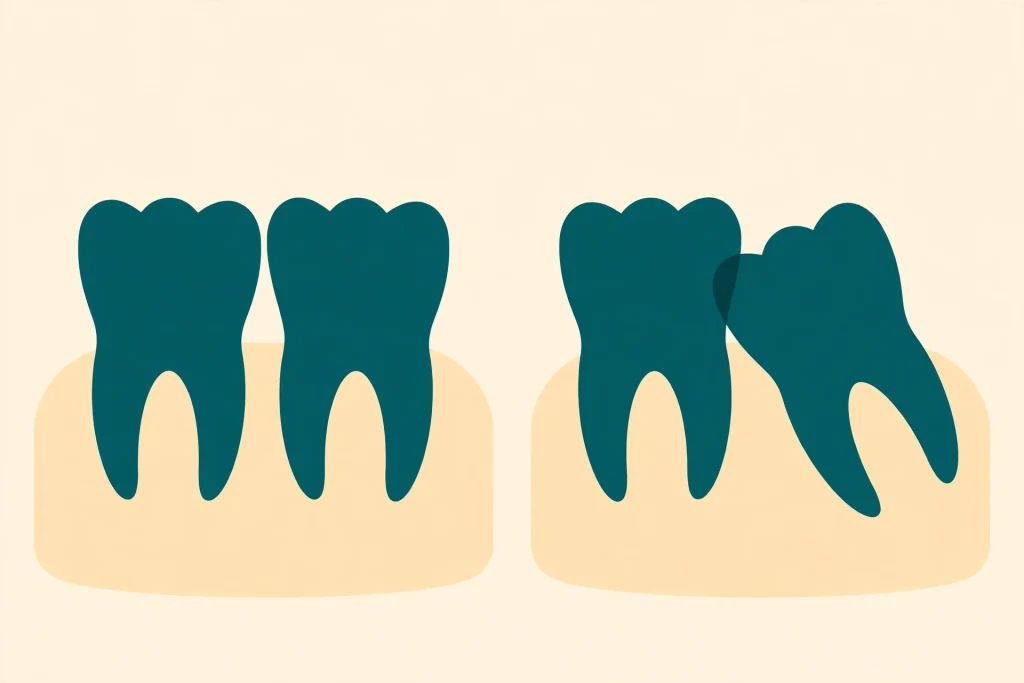
3. Treats pain caused by a problematic wisdom tooth
Wisdom teeth can cause pain when they are infected, decayed, inflamed, or putting pressure on nearby tissues. If a dental professional confirms that the wisdom tooth is the source of the symptoms, extraction can address that cause. Not all pain at the back of the mouth comes from wisdom teeth, so the source should be identified before treatment.
4. Makes some areas easier to keep clean
A wisdom tooth that is partly covered by gum tissue or positioned at an awkward angle can be difficult to brush and floss. Food and plaque may collect around it. Removing a tooth that cannot be kept healthy may make the back of the mouth easier to clean, although good daily hygiene and regular dental visits remain important.
5. Removes a tooth with decay that cannot be predictably repaired
Wisdom teeth can develop cavities, particularly when they are difficult to reach with a toothbrush or dental instruments. If the tooth is badly decayed or cannot be restored appropriately, extraction may remove the source of ongoing disease. A restorable tooth may sometimes be treated instead, depending on its position and long-term usefulness.
6. Treats certain cysts or other abnormal changes
Occasionally, an impacted wisdom tooth is associated with a cyst or another abnormal change in the surrounding tissue or bone. These findings are uncommon, but they can require treatment. Your dentist or oral surgeon can explain what imaging shows and whether removal, monitoring, or another procedure is appropriate.
7. Can support a broader dental or surgical treatment plan
In selected cases, a wisdom tooth may interfere with another planned procedure, such as certain jaw surgeries or treatment involving the neighboring molar. Removal may be recommended as one part of that specific plan. It is not automatically needed before braces or other orthodontic treatment; the reason should be explained for your individual case.
Does Everyone Benefit From Wisdom Teeth Removal?
No. A wisdom tooth that is healthy, fully erupted, functional, comfortable, and easy to clean may not need to be removed. Some people keep their wisdom teeth for life without developing problems.
Professional guidance generally supports evaluating each tooth rather than routinely removing every wisdom tooth. If a tooth is left in place, continue regular dental checkups so your dentist can monitor it for changes. Your dentist may recommend X-rays when clinically appropriate.
When Is Wisdom Teeth Removal Usually Considered?
A dentist or oral surgeon may discuss removal when there is evidence of a problem such as:
- Repeated or severe infection around a partially erupted wisdom tooth.
- Tooth decay that cannot be predictably restored.
- Gum disease or damage affecting the neighboring second molar.
- A cyst or other abnormal tissue change associated with the tooth.
- A wisdom tooth that is confirmed to be the source of persistent pain.
- A tooth that interferes with a necessary dental or jaw-surgery treatment plan.
The decision should consider the likely benefits of treatment alongside the risks of extraction and the option of monitoring.
Possible Disadvantages and Risks of Removal
Wisdom teeth removal is a surgical procedure, and it is not risk-free. Possible short-term effects include pain, swelling, bruising, jaw stiffness, and temporary difficulty eating. Complications can include:
- Dry socket: the blood clot in the extraction site is lost or does not develop properly, causing significant pain.
- Infection or bleeding: these may require follow-up care or treatment.
- Nerve irritation or injury: lower wisdom teeth can lie close to nerves that supply feeling to the lip, chin, or tongue. Numbness or tingling may be temporary and, rarely, may last longer.
- Damage to nearby structures: the risk depends on the tooth’s position and the complexity of surgery.
Your surgeon should review your X-rays, explain any tooth-specific risks, and discuss alternatives before you consent to treatment. For more detail, read our guide to what happens during wisdom teeth removal.
Does Removing Wisdom Teeth Prevent Crowding?
Wisdom teeth removal should not be promised as a way to prevent or correct crowding of the front teeth. Evidence does not support removing wisdom teeth solely to prevent lower-front crowding. If you are concerned about shifting teeth, ask a dentist or orthodontist to assess the actual cause.
What Is Recovery Like After Wisdom Teeth Removal?
Recovery varies with the number of teeth removed, their position, the type of procedure, and your general health. Pain and swelling are common during the first few days and should generally begin to improve. Some people need longer to feel comfortable chewing normally.
- First 24 hours: protect the blood clot, follow your surgeon’s instructions, rest, and choose cool or lukewarm soft foods.
- Days 2–3: swelling and jaw stiffness may be more noticeable; continue gentle oral care as directed.
- Days 4–7: many people begin feeling more comfortable, although healing is still underway.
- Following weeks: the gum and socket continue to heal. Follow-up may be needed depending on the procedure.

For a more detailed guide, see how long wisdom teeth recovery takes and our wisdom teeth removal diet timeline.
When to Contact a Dentist After Removal
Contact your dentist or oral surgeon if pain or swelling becomes severe or worsens instead of improving, bleeding does not stop with the recommended pressure, you develop a fever, or you notice pus or a persistent bad taste with increasing pain. Seek urgent medical care if you have trouble breathing or swallowing or rapidly spreading swelling.
Frequently Asked Questions
What is the biggest benefit of getting wisdom teeth removed?
The main benefit is treating or preventing a specific problem, such as repeated infection, decay, or damage to a neighboring tooth. The benefit depends on the condition and position of the wisdom tooth.
Is it better to remove wisdom teeth early?
Not automatically. Age, tooth position, symptoms, disease, surgical difficulty, and individual health all matter. A dentist or oral surgeon can explain whether removal now or monitoring is more appropriate. To weigh the timing, see the best age to remove wisdom teeth.
Can I keep my wisdom teeth if they do not hurt?
Often, yes. A pain-free tooth may still need examination because some problems do not cause early symptoms. If it is healthy and can be monitored, removal may not be necessary.
Will my face shape change after wisdom teeth removal?
Wisdom teeth removal does not normally cause a lasting change in facial shape. Temporary swelling during recovery can make the cheeks look fuller for a short time.
Do all four wisdom teeth need to be removed?
No. A dentist may recommend removing one, several, or none, depending on the condition of each tooth. The decision should be based on an individual examination and appropriate imaging.
Bottom Line
The benefits of getting wisdom teeth removed are most meaningful when a tooth is causing disease, repeated symptoms, or a clear risk to nearby structures. Removing healthy, problem-free wisdom teeth is not automatically beneficial and exposes a person to surgical risks. Ask your dentist or oral surgeon to explain the findings for each tooth, the advantages and disadvantages of removal, and whether monitoring is a reasonable alternative.
Sources and Further Reading
- American Dental Association: Wisdom Teeth
- NHS: Wisdom Tooth Removal
- NICE: Guidance on the Extraction of Wisdom Teeth
- American Association of Oral and Maxillofacial Surgeons: Impacted Wisdom Teeth
Medical note: This article is for general education and does not replace an examination or personalized advice from a licensed dental professional.