
Updated November 2, 2026
Quick answer
A sore near the back of your mouth may be a canker sore, cheek irritation, or inflamed gum around a wisdom tooth. Learn how to tell the difference, ease discomfort, and know when to see a dentist.
A sore at the very back of your mouth near a wisdom tooth can be a canker sore, especially if it looks like a small, shallow white or yellow ulcer with a red edge. But not every painful spot near a wisdom tooth is a canker sore. Irritation from a tooth rubbing against your cheek, inflamed gum tissue around a partially erupted tooth (pericoronitis), or another dental problem can feel similar.
Most ordinary canker sores heal within 1 to 2 weeks. Gentle saltwater rinses, soft foods, and avoiding spicy or acidic foods may make the area more comfortable. If you have facial swelling, fever, pus, worsening pain, or trouble swallowing or breathing, seek urgent dental or medical care.
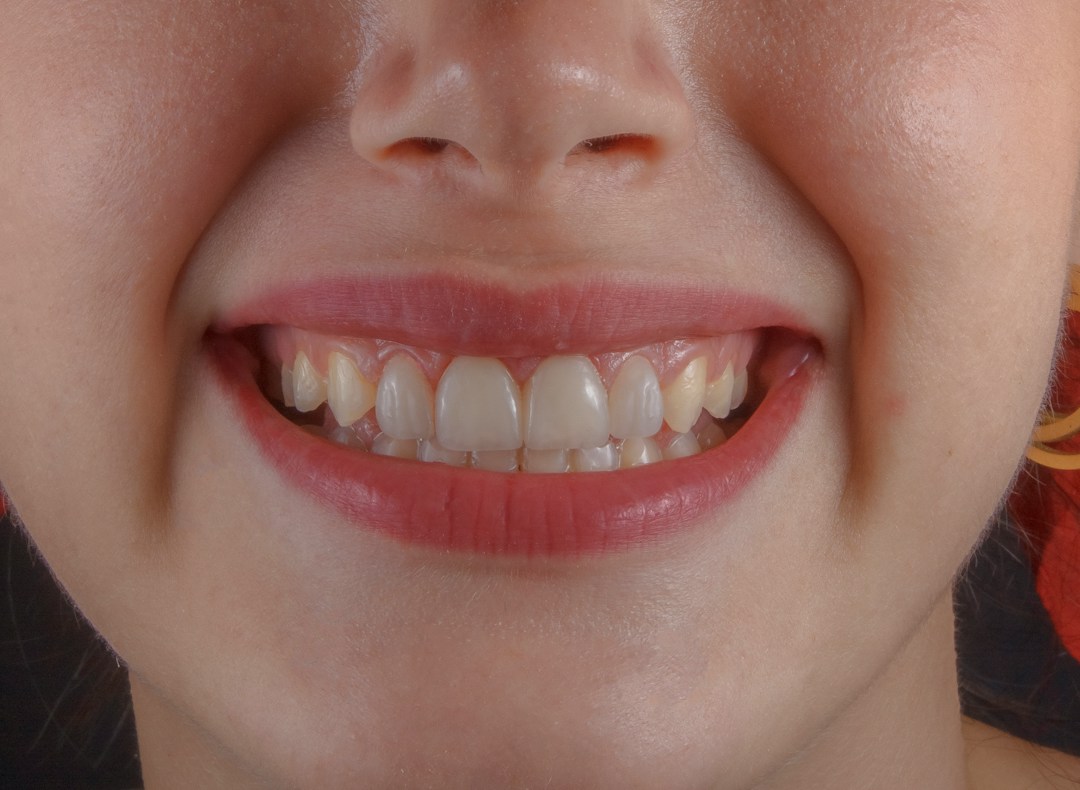
Can a wisdom tooth cause a canker sore at the back of your mouth?
A wisdom tooth does not automatically cause a canker sore. However, a tooth that is erupting at an angle or sitting close to the cheek may repeatedly rub or traumatize the soft tissue. Minor mouth injuries, including cheek bites and friction, can trigger an ulcer in some people. The sore may appear on the cheek beside the wisdom tooth, on nearby gum tissue, or farther back in the mouth.
The location alone cannot confirm the cause. A dentist can examine the tooth and surrounding tissue to distinguish a typical aphthous ulcer from gum inflammation, infection, or another lesion.
What does a canker sore near a wisdom tooth look like?
A typical canker sore (also called an aphthous ulcer) is usually a small, shallow, round or oval sore inside the mouth. It often has a white, gray, or yellowish center with a red border. It may sting when you eat, drink, brush, or speak.
- On the cheek near a wisdom tooth: A tender spot may develop where the cheek rubs against a back molar.
- On the gum near a wisdom tooth: A shallow ulcer may appear on the soft tissue beside or behind the tooth.
- At the very back of the mouth: A sore may be difficult to see. Do not poke it or try to scrape it away.
Canker sores form inside the mouth and are not contagious. They are different from cold sores, which usually appear as fluid-filled blisters on or around the lips.
Canker sore on wisdom tooth gum vs. pericoronitis
This distinction matters because pericoronitis is inflammation, and sometimes infection, of the gum around a partially erupted wisdom tooth. A flap of gum can trap food and bacteria. It may cause a swollen, tender gum flap, unpleasant taste or odor, and sometimes pus or difficulty opening the mouth.
| Feature | Typical canker sore | Possible pericoronitis |
|---|---|---|
| Appearance | Small, shallow white/yellow or gray ulcer with a red rim | Red, swollen gum around a partly erupted tooth; sometimes drainage |
| Location | Cheek, inner lip, tongue, or gum surface | Gum flap surrounding or covering part of a wisdom tooth |
| Common symptoms | Stinging or burning when touched or eating | Gum tenderness, pain when biting, bad taste or breath |
| Other warning signs | Usually no facial swelling or fever | May include fever, facial swelling, swollen glands, or difficulty opening the mouth |
These clues are not a diagnosis. If the gum around your wisdom tooth is swollen, painful, or producing pus, arrange a prompt dental assessment rather than treating it as a simple canker sore.
Why might you have a sore behind your wisdom tooth?
1. Friction from an erupting or angled wisdom tooth
A back molar that presses against the cheek or repeatedly catches soft tissue can cause irritation. Repeated trauma may contribute to a mouth ulcer. If the same spot keeps getting injured, a dentist should check the tooth position and the tissue.
2. Accidental cheek biting
The cheek can get caught between the upper and lower back teeth while chewing. A bite may leave a tender injury that looks similar to an ulcer as it heals.
3. Pericoronitis around a partially erupted tooth
When a wisdom tooth has only partly emerged, a gum flap can cover part of it. Food debris and bacteria may collect beneath the flap, leading to inflammation or infection. This is not the same as a canker sore.
4. Other common canker sore triggers
Canker sores can also occur without a clear reason. Possible triggers include stress, minor mouth injuries, certain foods, toothpaste ingredients such as sodium lauryl sulfate, and nutritional deficiencies. A wisdom tooth may simply be nearby rather than the actual cause.
How to relieve a canker sore near a wisdom tooth
If the sore appears to be a small, uncomplicated mouth ulcer and you do not have signs of infection, these steps may help reduce irritation while it heals:
- Rinse gently with salt water. Dissolve about half a teaspoon of salt in a glass of warm water, swish gently, and spit it out. Do not swallow the rinse.
- Choose soft, mild foods. Try yogurt, eggs, oatmeal, mashed potatoes, or lukewarm soup if these are comfortable for you.
- Avoid irritating foods. Spicy, acidic, very salty, crunchy, and very hot foods may make the sore hurt more.
- Brush carefully. Use a soft-bristled toothbrush and clean the back teeth gently. Do not scrub or poke the ulcer.
- Ask a pharmacist about pain relief. An appropriate over-the-counter oral pain-relief gel or rinse may temporarily ease discomfort. Follow the product label and ask a pharmacist if you are unsure whether it is suitable for you.
- Keep the area clean without force. Do not try to cut, drain, or pull away gum tissue around a wisdom tooth.
For more ideas, see our guide to wisdom teeth pain home remedies. If the pain seems to come from the tooth or swollen gum rather than a surface ulcer, home care is not a substitute for a dental examination.
How long does a canker sore behind a wisdom tooth last?
Most minor canker sores improve and heal within 1 to 2 weeks. The discomfort may ease before the tissue has completely healed. A sore that is not improving, lasts longer than 2 weeks, repeatedly returns, is unusually large, or makes eating and drinking difficult should be checked by a dentist or healthcare professional.
A sore at the very back of the mouth can be difficult to assess yourself. Do not wait for it to heal if it is getting worse or accompanied by swelling, fever, pus, or other concerning symptoms.
When should you see a dentist?
Contact a dentist promptly if you notice:
- Swollen, red, or increasingly painful gum tissue around a wisdom tooth.
- Pus, a persistent bad taste, or bad breath together with gum pain.
- Fever, facial swelling, swollen neck glands, or difficulty opening your mouth.
- A sore that keeps returning, grows, bleeds, or has not healed after 2 weeks.
- Pain that prevents you from eating, drinking, or sleeping normally.
Get emergency medical help now if swelling is spreading into your neck or floor of your mouth, or if you have difficulty breathing or swallowing. These can be signs of a spreading infection.
Your dentist may examine the wisdom tooth, clean the area if needed, and decide whether treatment for pericoronitis or another dental condition is necessary. Antibiotics are not appropriate for every sore and should only be used when prescribed for a diagnosed infection.
Learn more about a wisdom tooth cutting the cheek and signs of impacted wisdom teeth. If you have recently had an extraction, our wisdom teeth recovery guide explains common healing symptoms and warning signs.
Frequently asked questions
Can a canker sore form on the gum behind a wisdom tooth?
Yes. Canker sores can develop on gum tissue inside the mouth, including near the back molars. But a painful or swollen gum flap around a partly erupted wisdom tooth may be pericoronitis instead, so persistent or worsening symptoms should be assessed.
Can a wisdom tooth rubbing against my cheek cause an ulcer?
Repeated rubbing or accidental cheek biting can injure the soft tissue and may contribute to a mouth ulcer. A dentist can check whether the tooth is positioned in a way that repeatedly traumatizes the cheek.
Is a white spot behind my wisdom tooth always a canker sore?
No. A white or yellow area could be an ulcer, trapped debris, drainage, or another change in the tissue. Appearance alone is not enough to identify the cause. Seek dental advice if it is painful, swollen, worsening, or persistent.
Can I use mouthwash on a canker sore near my wisdom tooth?
A gentle, alcohol-free mouth rinse may be more comfortable than an alcohol-containing rinse. A mild saltwater rinse is another option. Avoid vigorous swishing and ask a pharmacist or dentist about medicated rinses if symptoms are significant.
How do I know if it is a canker sore or an infected wisdom tooth?
A small shallow ulcer with a red border and no other symptoms may be a canker sore. Swollen gum tissue around a partly erupted tooth, pus, a bad taste, fever, facial swelling, or difficulty opening your mouth raises concern for pericoronitis or another infection. A dentist needs to examine the area to tell the difference.
When should a mouth ulcer at the back of my mouth be checked?
Have it checked if it lasts longer than 2 weeks, keeps recurring, becomes larger or more painful, bleeds, or is accompanied by fever or swelling. Seek urgent care for difficulty swallowing or breathing.
Key takeaways
- A canker sore near a wisdom tooth may be related to irritation or minor trauma, but the tooth is not always the cause.
- A typical canker sore is a shallow ulcer with a pale center and red border; pericoronitis causes inflamed gum around a partly erupted tooth.
- Gentle saltwater rinses, soft foods, and avoiding irritants can help a minor ulcer feel better.
- Get a dental assessment for persistent sores or symptoms of wisdom tooth infection, and seek emergency help for breathing or swallowing difficulty.
Medical information reviewed for general educational accuracy; this article is not a diagnosis or a substitute for an examination by a dentist or other qualified healthcare professional.