
Updated November 11, 2026
Quick answer
You are nine days out from wisdom teeth removal, the worst of the swelling is gone, and the bag of chips in the cupboard is calling your name. It feels like you should be ready — but chips are one of the riskiest foods to bring back too early, and day 9 is usually still …
You are nine days out from wisdom teeth removal, the worst of the swelling is gone, and the bag of chips in the cupboard is calling your name. It feels like you should be ready — but chips are one of the riskiest foods to bring back too early, and day 9 is usually still too soon.
The short version: most people need to wait at least 2 weeks before eating chips, and only then if healing is going well and the sockets are closing. The crunch that makes chips satisfying is exactly what makes them dangerous for a healing socket — sharp edges, crumbs that lodge in the wound, and salt that stings raw tissue. This guide explains when chips are safe again, which types are worst, what to eat instead while you wait, and how to eat them safely once you get the go-ahead.
The Short Answer
Wait at least 2 weeks after wisdom teeth removal before eating chips, and longer if you had a difficult extraction, stitches, or slow healing. Day 9 is usually too early: the socket is still open, and a sharp chip fragment can cut the healing tissue or get trapped inside. When you do try chips again, start with a small handful of a softer chip, chew on the side away from the extraction sites, and rinse gently with warm salt water afterwards. If it hurts, or food keeps getting stuck, stop and wait a few more days — and always follow your own surgeon’s instructions over any general timeline.
Why Chips Are a Problem After Wisdom Teeth Removal
Chips fail almost every test for a safe recovery food:
- Sharp edges. A broken chip is basically a tiny shard. It can scratch or cut the fragile tissue growing over the socket, restart bleeding, or disturb the blood clot that protects the wound.
- Crumbs get trapped. Chips shatter into small, dry fragments that lodge in the open socket. Unlike soft food, crumbs do not wash out easily — and you cannot dig them out without risking the clot.
- They need real chewing. Crunching requires force and wide jaw movement, both of which strain sore jaw muscles and healing gums in the first two weeks.
- Salt stings. Salt on raw, healing tissue burns — and flavoured chips (salt and vinegar, chilli, sour cream and onion) are worse, because acid and spice irritate the wound too.
- They are dry. Chips absorb saliva and stick to the mouth, which makes them harder to swallow cleanly and more likely to leave debris behind.
That is why chips sit on the “avoid” list alongside popcorn, nuts, seeds and other hard, crunchy foods in our guide to foods to avoid after wisdom teeth removal.
When Can You Eat Chips? A Day-by-Day Guide
There is no single day that works for everyone — healing depends on how many teeth were removed, whether the extractions were simple or surgical, and whether you had stitches. But this is the timeline most people can use as a rough guide:
| Time after surgery | Chips? |
|---|---|
| Days 1-3 | No. Liquids and very soft foods only. The clot is still forming and any crunching or sharp food is a real dry-socket risk. |
| Days 4-7 | No. Soft foods are expanding, but the sockets are still open wounds. Chips and other crunchy foods stay off the menu. |
| Days 8-10 | Still no for most people — including day 9. Swelling may be down, but the socket has not closed over. This is the stage the original search question asks about, and the answer is: wait a little longer. |
| Days 11-14 | Possibly, only if healing is smooth — no pain, no swelling, no food trapping, and your surgeon has not told you to wait longer. Try a few soft chips first, not a full bag. |
| Week 3+ | Usually fine for most people, once the sockets have closed over and normal chewing is comfortable. Start small and chew away from the extraction sites. |
If you are unsure, the safest test is your own mouth: if chewing still hurts, if the socket still looks like an open hole, or if soft foods still trap debris, you are not ready. Our wisdom teeth recovery food timeline walks through the same stages day by day.
Which Chips Are the Worst — and the Least Bad?
Not all chips are equally risky. If you are counting down to your first crunchy snack, this is how they rank:
Worst choices (wait longest):
- Tortilla chips and nachos — thick, rigid, and they break into long sharp triangles. The worst option for a healing socket.
- Kettle-cooked and thick-cut crisps — harder and sharper than regular crisps, and they shatter into jagged pieces.
- Salt and vinegar chips — the vinegar is acidic and stings healing tissue, on top of the sharp crunch.
- Chilli or spicy flavoured chips — spice irritates raw gum tissue and can trigger pain that lasts long after eating.
Least bad (still wait the full 2 weeks):
- Thin, regular potato crisps — they still crunch and crumble, but they are thinner and softer than kettle chips or tortilla chips.
- Popped chips or puffed snacks — lighter and less sharp, but they still leave crumbs, so they are a “week 3” food, not a “week 1” food.
- Plain, lightly salted crisps — no acid or spice to sting the wound, which makes them the gentlest option once you are cleared to try.
No chip is safe in the first week. “Least bad” only matters after the socket has started to close.
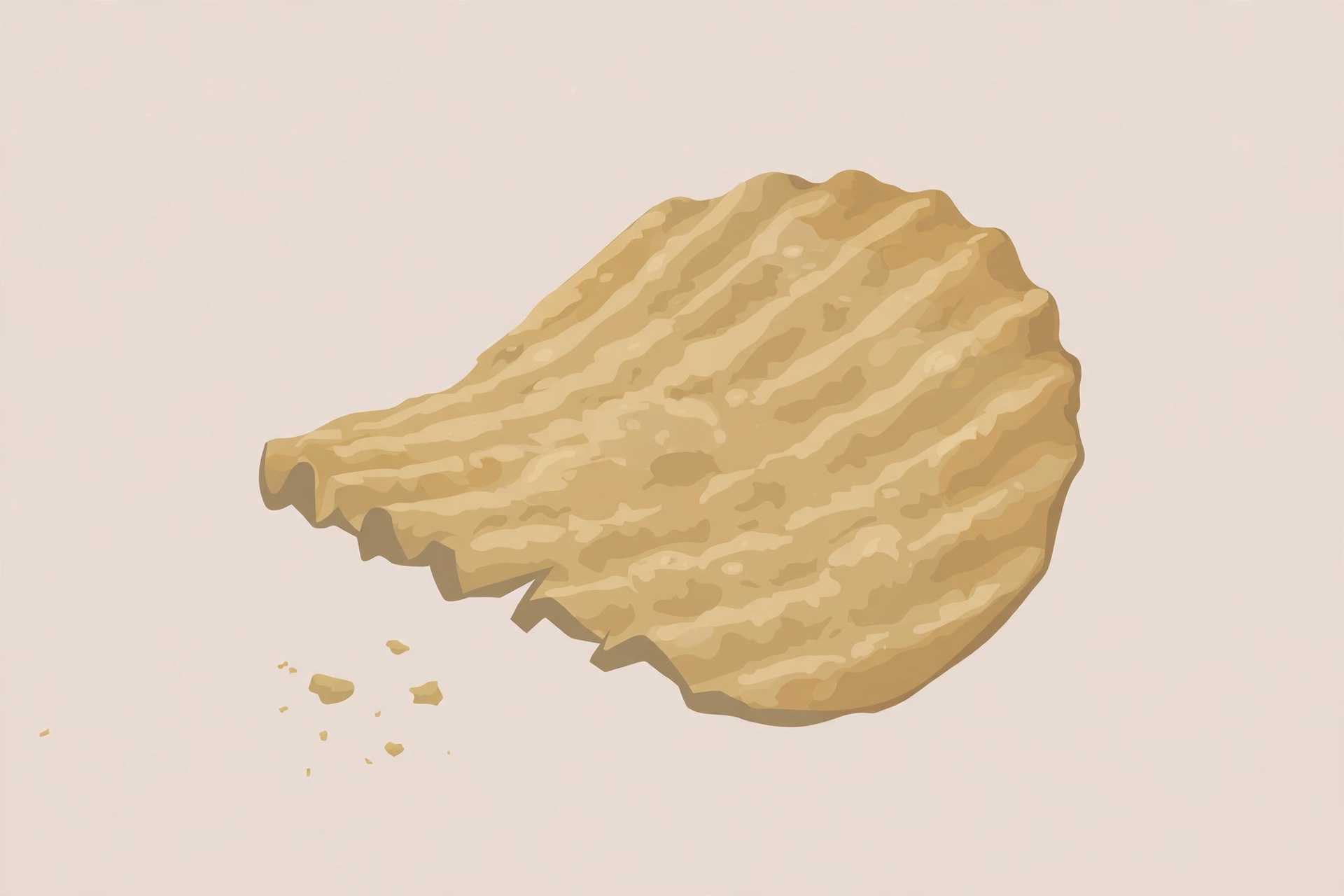
What Happens If You Eat Chips Too Early?
Eating chips before the socket has healed can cause:
- Food trapped in the socket. Crumbs lodge in the hole and are hard to rinse out. Trapped food feeds bacteria and can lead to infection or a bad taste that lingers for days.
- Irritation and bleeding. A sharp fragment can scratch the healing tissue and restart bleeding, setting your recovery back by days.
- Dry socket. If crunching or a sharp fragment disturbs the blood clot, the bone underneath is exposed — the painful condition called dry socket. The warning signs are covered in our guide to the signs of dry socket and infection.
- Pain that outlasts the snack. Salt, acid and spice on raw tissue can sting for hours, and a sore jaw from heavy chewing can ache into the next day.
One accidental chip is not a disaster — do not panic. Rinse gently with warm salt water, do not poke at the socket, and watch for worsening pain, swelling, fever or a bad taste. If any of those appear, call your dentist.
How to Eat Chips Safely the First Time Back
When you have waited the full 2 weeks and healing looks good, ease back in:
- Start with a small handful — not a whole bag. A few chips tells you how your mouth reacts without much risk.
- Choose thin, plain crisps — skip tortilla chips, kettle chips and spicy flavours for the first try.
- Chew on the opposite side from the extraction sites, and chew slowly.
- Let chips soften slightly — holding a crisp in your mouth for a few seconds before chewing takes the sharp edge off.
- Rinse gently with warm salt water afterwards to clear crumbs. Let the water fall out of your mouth rather than spitting forcefully.
- Check the socket afterwards. If food is stuck and a gentle rinse does not clear it, leave it alone and ask your dentist — do not dig at it. From about day 5-7 your surgeon may approve a curved-tip syringe for flushing the socket; our guide on when to use a syringe after wisdom teeth removal explains the timing.
- Stop if it hurts. Pain is your mouth telling you it is not ready yet. Wait a few more days and try again.
What to Eat Instead of Chips While You Wait
The craving is usually for something salty and snackable, not for chips specifically. These give you the same satisfaction without the risk:
- Soft crackers that dissolve easily — plain, thin crackers that soften in your mouth, from about day 7 if chewing is comfortable.
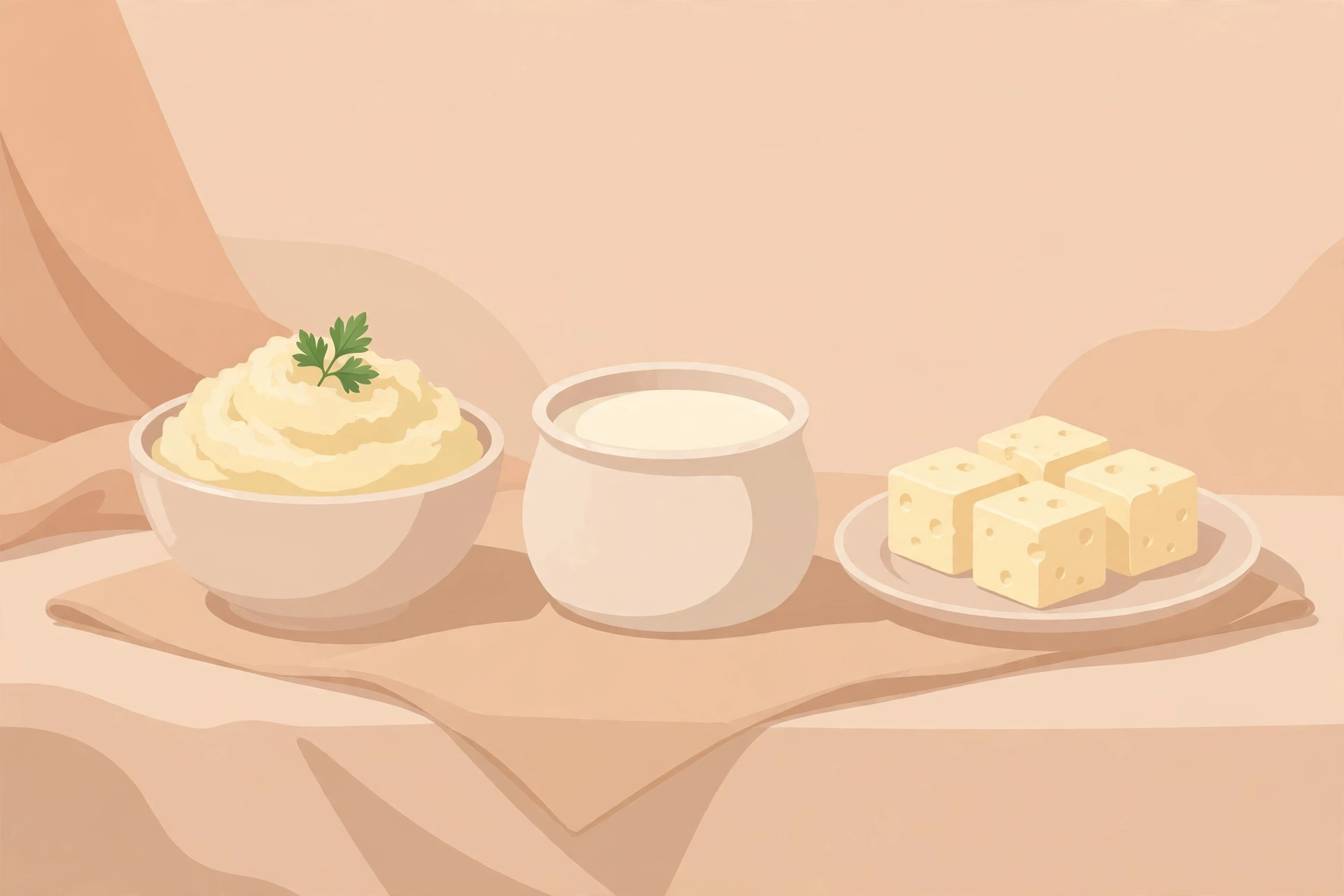
- Mashed potato with a little salt — salty, comforting, and completely safe. Our mashed potato recipes for wisdom teeth removal have a few variations.
- Soft cheese — mild cheddar or cream cheese gives you the salty, savoury hit with no crunch.
- Smooth hummus — salty and satisfying, with no crumbs at all.
- Very soft bread with butter — once gentle chewing is comfortable, usually from the second week.
- Yoghurt with a pinch of salt or a drizzle of honey — cool, soft, and easy.
For the full list of safe options, see our guide to foods to eat after wisdom teeth removal — and for when normal eating returns in general, see when you can eat normal food after wisdom teeth removal.
Frequently Asked Questions
Q: Can I eat chips 9 days after wisdom teeth removal?
Usually not yet. At day 9 the socket is still open, and chips are sharp, crunchy and crumbly — exactly the combination that can cut healing tissue or trap food in the socket. Most people need to wait until at least day 14, and longer after a difficult extraction. If your surgeon has cleared you and healing is smooth, a few soft crisps may be okay — but day 9 is early for most people.
Q: When can I eat chips after wisdom teeth removal?
At least 2 weeks for most people, once the sockets have started to close over and normal chewing is comfortable. Some people need 3 weeks, especially after surgical extractions or if healing has been slow. Start with a small amount of thin, plain crisps and chew away from the extraction sites.
Q: Can chips cause dry socket?
Chips do not directly cause dry socket, but they can disturb the blood clot that prevents it — a sharp fragment can scratch the socket, and vigorous chewing can dislodge the clot. That is why crunchy foods are on the avoid list for the first two weeks. If pain suddenly gets much worse a few days after surgery, especially after eating something crunchy, contact your dentist.
Q: What if a chip crumb gets stuck in the socket?
Do not dig it out with your fingers, a toothpick or a toothbrush. Rinse gently with warm salt water and let the water drain out of your mouth. If a gentle rinse does not clear it, leave it and ask your dentist at your follow-up — they can flush the socket safely. From about day 5-7, your surgeon may approve a curved-tip irrigation syringe.
Q: Are tortilla chips worse than potato chips after wisdom teeth removal?
Yes. Tortilla chips are thicker and more rigid, and they break into long, sharp pieces that are more likely to cut healing tissue or get wedged in the socket. When you return to chips, start with thin, plain potato crisps — and still wait the full 2 weeks first.
Q: Can I eat soft crisps or popped chips earlier?
Popped and puffed snacks are gentler than regular crisps, but they still crumble and leave debris, so they are not a first-week food either. Treat them the same way: wait until at least week 2-3, start small, and rinse gently afterwards.
Q: What crunchy foods are safe before chips?
None are truly safe in the first week. From the second week, soft crackers that dissolve easily are usually the gentlest crunchy food to reintroduce, followed by thin crisps in week 3. Popcorn, nuts, seeds and hard biscuits should wait even longer — popcorn has its own timing guide in our post on can you eat popcorn after wisdom teeth removal.
This article is for general education. If your pain, swelling or bleeding gets worse after eating, or you notice a bad taste, fever or food that will not clear from the socket, contact your dentist promptly. Always follow your own surgeon’s instructions — they know your extraction.