
Updated November 13, 2026
Quick answer
Can a wisdom tooth infection be fatal? Learn how infections can spread, warning signs of sepsis and airway problems, and when to seek emergency care.
Yes, you can die from a wisdom tooth infection, but this is extremely rare. Most wisdom tooth infections are treatable. However, an untreated infection can sometimes spread into the jaw, face, or neck, threaten the airway, or trigger sepsis. These complications can be life-threatening and need urgent medical treatment.
Get prompt dental care for pain, swelling, or pus around a wisdom tooth. Call 911 or go to an emergency department now if you have trouble breathing, cannot swallow saliva, are drooling because you cannot swallow, or have rapidly increasing swelling of your mouth, tongue, or neck.
Can a Wisdom Tooth Infection Be Life-Threatening?
Yes. A bacterial infection around a wisdom tooth can occasionally spread beyond the gum or tooth into deeper tissues. This is uncommon, but serious complications can include:
- Dental abscess: A pocket of pus caused by infection in or around a tooth.
- Cellulitis: A bacterial infection that spreads through the skin and soft tissues.
- Deep neck infection: Infection that moves into tissue spaces around the jaw and neck.
- Ludwig’s angina: A rapidly spreading infection in the floor of the mouth and tissues beneath the jaw that can cause dangerous airway swelling.
- Sepsis: A life-threatening response to infection that can lead to tissue damage and organ failure.
These outcomes are rare. The important point is not to assume that every sore wisdom tooth is dangerous, but to have possible infection assessed and treated promptly.
How Can a Wisdom Tooth Infection Spread?
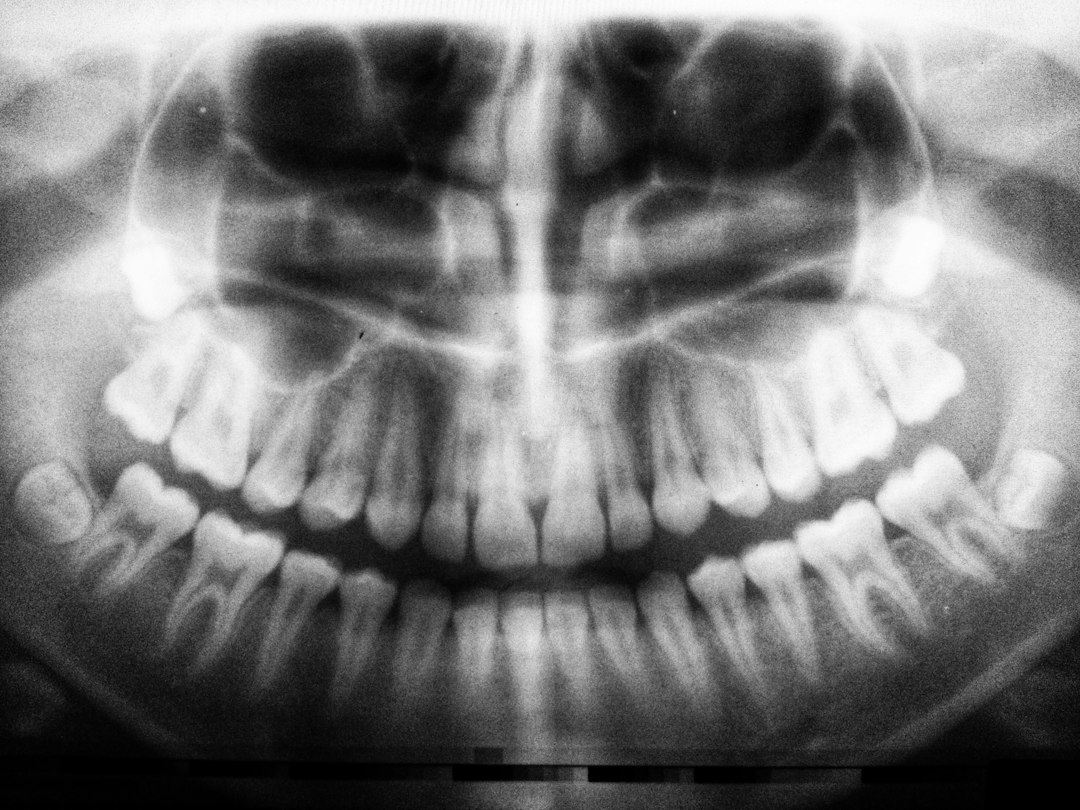
Partially erupted or impacted wisdom teeth can be difficult to clean. Food debris and bacteria may collect beneath the gum flap around the tooth, causing inflammation or infection known as pericoronitis. Infection can also begin when a tooth has decay or damage.
If bacteria move beyond the original area, infection may involve nearby gum, jaw, facial, or neck tissues. In severe cases, swelling in the floor of the mouth can push the tongue upward and backward, narrowing the airway. A spreading infection can also trigger sepsis.
There is no fixed sequence or timetable. Some infections stay localized, while others worsen quickly. Do not wait for a particular number of days before seeking care.
Warning Signs That a Wisdom Tooth Infection Is Getting Worse
Common symptoms of a localized infection
- Pain or tenderness around the back of the jaw.
- Red, swollen, or sore gum tissue around the wisdom tooth.
- Bad breath or an unpleasant taste in the mouth.
- Pus or drainage near the tooth.
- Pain when chewing or opening the mouth.
- Tender lymph nodes beneath the jaw.
These symptoms deserve a prompt dental appointment, even if you do not have a fever. For more detail, read our guide to signs of a wisdom tooth infection (which focuses on infection after extraction).
Symptoms that need urgent assessment
- Increasing swelling in the cheek, jaw, or face.
- Swelling that extends beneath the jaw or into the neck.
- Fever or chills, especially with worsening dental pain or swelling.
- Increasing difficulty opening your mouth.
- Pain or difficulty when swallowing.
- Swelling beneath the tongue or a feeling that the tongue is being pushed upward.
- Rapidly worsening symptoms or feeling very unwell.
Seek urgent medical assessment if these symptoms occur. If you need help finding care, see where to get urgent wisdom tooth care in the USA.
Emergency symptoms: when to go to the ER
Call 911 or your local emergency number immediately for difficulty breathing, inability to swallow saliva, drooling because you cannot swallow, noisy or obstructed breathing, or rapidly increasing swelling of the tongue, mouth, or neck. Confusion, fainting, or severe weakness with a suspected infection also needs emergency care.
Do not drive yourself if you are struggling to breathe or feel faint. Do not wait for a routine dental appointment when breathing or swallowing is affected.
What Is Ludwig’s Angina, and How Is It Connected to Wisdom Teeth?
Ludwig’s angina is a rare, potentially life-threatening infection involving the soft tissues under the tongue and lower jaw. It can develop from an infection in a lower molar, including a lower wisdom tooth.
Swelling beneath the tongue and jaw can make the floor of the mouth firm and push the tongue upward or backward. This can obstruct the airway. Warning signs include swelling under the jaw, swelling or firmness beneath the tongue, tongue elevation, difficulty swallowing, drooling, voice changes, and breathing difficulty.
Suspected Ludwig’s angina is a medical emergency. Hospital treatment may involve protecting the airway, intravenous antibiotics, and surgical drainage when needed. Do not attempt to manage these symptoms at home.
Can a Wisdom Tooth Infection Cause Sepsis?
Yes. A dental infection can sometimes lead to sepsis, a life-threatening reaction to infection that can cause organ damage. Sepsis is a medical emergency and requires immediate treatment.
Possible warning signs include confusion or disorientation, shortness of breath, a rapid heartbeat, fever or chills, clammy or sweaty skin, severe discomfort, and extreme weakness. Symptoms vary, and not everyone has all of them. If you suspect sepsis, call 911 or seek emergency care immediately.
A localized wisdom tooth infection does not automatically mean someone has sepsis. However, worsening dental infection accompanied by whole-body symptoms needs urgent medical attention.
How Long Can You Have a Wisdom Tooth Infection Before It Becomes Dangerous?
There is no reliable timeline. An infection may remain localized, or it may spread and worsen over a shorter period. The speed depends on factors such as the source and severity of infection, the person’s general health, and whether treatment is started.
| Symptoms | What to do |
|---|---|
| Localized gum pain, redness, or mild swelling | Contact a dentist promptly for an assessment. |
| Pus, worsening pain, or increasing facial swelling | Seek urgent dental care; do not wait for it to settle. |
| Fever with facial swelling, neck swelling, or difficulty opening the mouth | Get urgent medical assessment. |
| Difficulty swallowing, tongue swelling, or inability to swallow saliva | Go to an emergency department immediately; call 911 if breathing or swallowing is compromised. |
| Difficulty breathing, confusion, fainting, or severe illness | Call 911 immediately. |
Do not use this table to self-diagnose. When symptoms are rapidly worsening or you are unsure how serious they are, seek professional care.
Who May Be at Higher Risk of Serious Complications?
Anyone can develop complications from a dental infection. People with a weakened immune system, poorly controlled diabetes, or certain chronic medical conditions may be more vulnerable to serious infection. Delaying treatment can also allow an infection to progress.
These factors do not mean a complication will happen. They are reasons to contact a dental or medical professional promptly rather than trying to manage a suspected infection alone.
How Is a Severe Wisdom Tooth Infection Treated?
Treatment depends on the source of infection, how far it has spread, and the person’s overall condition. A dentist or oral surgeon may examine the mouth and take dental X-rays. If there are signs of deep or spreading infection, hospital assessment and imaging may be needed.
Dental treatment and drainage
If an abscess has formed, a dental professional may need to drain it. The source of infection must also be addressed. Depending on the tooth and surrounding tissues, treatment may include cleaning the affected area, treating decay, or removing the wisdom tooth.
Antibiotics when appropriate
Antibiotics may be prescribed when there are signs of spreading infection or systemic illness. They are not a substitute for treating the source of a dental infection, and not every localized dental problem requires antibiotics. Take prescribed medication exactly as directed; do not use leftover antibiotics.
Hospital treatment for severe infection
Severe infections may require intravenous antibiotics, surgical drainage, hospital monitoring, and airway management if swelling threatens breathing. The immediate priority is controlling the infection and protecting vital functions.
Can You Prevent a Wisdom Tooth Infection From Becoming Dangerous?
- Do not ignore persistent pain or swelling. Arrange a dental assessment if the gum around a wisdom tooth becomes painful, swollen, or produces pus.
- Keep the area clean. Gently brush the back teeth and surrounding gum tissue without injuring the area.
- Use salt-water rinses only as supportive care. A gentle warm salt-water rinse may help keep the area clean, but it cannot cure an abscess or replace dental treatment.
- Attend dental appointments. A dentist can assess whether an impacted or partially erupted wisdom tooth needs treatment.
- Follow professional instructions. Take prescribed medicines as directed and attend recommended follow-up visits.
- Know the emergency signs. Breathing difficulty, inability to swallow saliva, or rapidly spreading swelling needs emergency care.
What should you not do?
- Do not try to pop, squeeze, or drain an abscess yourself.
- Do not take leftover or someone else’s antibiotics.
- Do not rely on painkillers to treat the underlying infection.
- Do not put aspirin directly on the gum tissue.
- Do not assume the infection has cleared just because pain temporarily improves.
For general temporary comfort measures, see our guide to wisdom teeth pain home remedies. Home care should not delay an examination when infection is suspected.
Frequently Asked Questions
Can a wisdom tooth infection kill you?
Yes, but this is extremely rare. An untreated infection can sometimes spread into deep tissues, threaten the airway, or lead to sepsis. Prompt dental and medical treatment can prevent many serious complications.
How do I know if my wisdom tooth infection is spreading?
Increasing facial or jaw swelling, fever, chills, neck swelling, difficulty opening your mouth, and difficulty swallowing can indicate a spreading infection. Breathing difficulty or inability to swallow saliva is an emergency.
Can a wisdom tooth infection cause sepsis?
Yes. In rare cases, a dental infection can trigger sepsis. Confusion, shortness of breath, clammy skin, fever or chills, and severe discomfort can be warning signs. Seek emergency care if sepsis is suspected.
Can you die from an infected wisdom tooth if it is left untreated?
In rare cases, yes. An untreated infection can spread and cause complications such as a deep neck infection, airway obstruction, or sepsis. Do not delay care for a suspected infection.
Does removing an infected wisdom tooth stop the infection?
Removing the tooth may eliminate the source, but additional treatment may be needed if infection has spread or an abscess has formed. A dentist or oral surgeon decides the safest treatment and timing.
Can a wisdom tooth infection go away on its own?
Symptoms may temporarily improve, but the underlying cause may remain. A suspected abscess or infected wisdom tooth needs professional evaluation. Less pain does not prove that the infection has cleared.
Medical Sources
- NCBI Bookshelf: Ludwig Angina — overview of deep infection, airway risks, and treatment.
- MedlinePlus: Ludwig’s Angina — symptoms and emergency complications.
- CDC: About Sepsis — sepsis symptoms and complications.
- MSD Manual: Periodontal and Periapical Abscesses — dental abscess evaluation and treatment.
Medical note: This article is for general education and is not a diagnosis or a substitute for care from a dentist, physician, or emergency medical professional. If breathing or swallowing is affected, seek emergency help immediately.