
Updated November 3, 2026
Quick answer
In the US dental numbering system, wisdom teeth are #1, #16, #17, and #32. Learn where each third molar is located and how the numbers compare with the international FDI chart.
If your dentist or oral surgeon says you need wisdom tooth #1, #16, #17, or #32 removed, they are using the US Universal Numbering System. In this system, the four wisdom teeth are #1, #16, #17, and #32. They are the third molars at the very back of each corner of your mouth.
The exact numbers depend on which numbering system your dentist uses. This guide explains the US dental chart, shows how the numbers relate to the four wisdom teeth, and compares them with the international FDI system.
What Are the Four Wisdom Teeth Numbers?
In the United States, dentists commonly use the Universal Numbering System for adult teeth. It numbers permanent teeth from 1 through 32, beginning at the upper right third molar and moving around the mouth.
| Wisdom tooth location | US tooth number | FDI number |
|---|---|---|
| Upper right (patient’s right) | #1 | 18 |
| Upper left (patient’s left) | #16 | 28 |
| Lower left (patient’s left) | #17 | 38 |
| Lower right (patient’s right) | #32 | 48 |
Quick answer: If a US dental chart lists teeth #1, #16, #17, and #32, it is identifying the four wisdom teeth. Not everyone develops all four, and some wisdom teeth may remain under the gums or be absent.
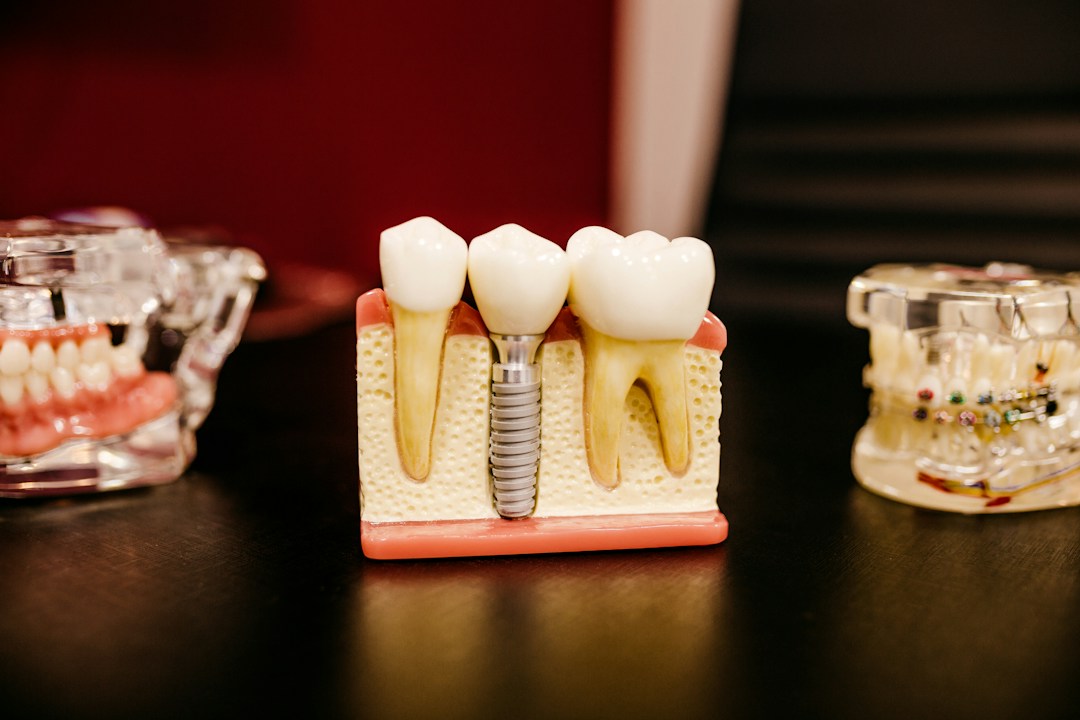
How to Read Wisdom Teeth Numbers on a Dental Chart
The Universal Numbering System follows a continuous path around the teeth rather than starting over in each quadrant. The numbering is based on the patient’s right and left sides—not the viewer’s perspective when looking at a chart.
- #1: Upper right third molar, the first wisdom tooth in the sequence.
- #16: Upper left third molar, at the far back of the upper-left side.
- #17: Lower left third molar, at the far back of the lower-left side.
- #32: Lower right third molar, the last tooth in the sequence.
When you look at a dental chart, remember that the patient’s right side may appear on the left side of the page. If you are unsure which side a number refers to, ask the dental office to point it out on your own X-ray or chart.
What Are the Numbers for All 32 Adult Teeth?
Adults can have up to 32 permanent teeth, including four third molars. The chart below groups the Universal numbers by the type and position of each tooth. The wisdom teeth are shown in bold.
| Area of the mouth | Tooth numbers, from the front toward the back |
|---|---|
| Upper right | 8, 7, 6, 5, 4, 3, 2, 1 (wisdom tooth) |
| Upper left | 9, 10, 11, 12, 13, 14, 15, 16 (wisdom tooth) |
| Lower left | 24, 23, 22, 21, 20, 19, 18, 17 (wisdom tooth) |
| Lower right | 25, 26, 27, 28, 29, 30, 31, 32 (wisdom tooth) |
Each quadrant has two incisors, one canine, two premolars, and two molars in front of the third molar. The third molar is the wisdom tooth. Some people have fewer than 32 permanent teeth because one or more wisdom teeth never developed or were removed.
Are Wisdom Teeth Numbers Different in Other Countries?
Yes. Many countries use the FDI two-digit notation, also called the ISO system. Instead of assigning one continuous number from 1 to 32, it gives each tooth a two-digit code. The first digit identifies the quadrant, and the second digit identifies the tooth’s position from the middle of the mouth.
| Location | US Universal system | FDI system |
|---|---|---|
| Upper right wisdom tooth | #1 | 18 |
| Upper left wisdom tooth | #16 | 28 |
| Lower left wisdom tooth | #17 | 38 |
| Lower right wisdom tooth | #32 | 48 |
For example, a chart that lists tooth 48 may be referring to the lower-right wisdom tooth in the FDI system. In a US chart, that same tooth is #32. The tooth itself has not changed—only the notation has.
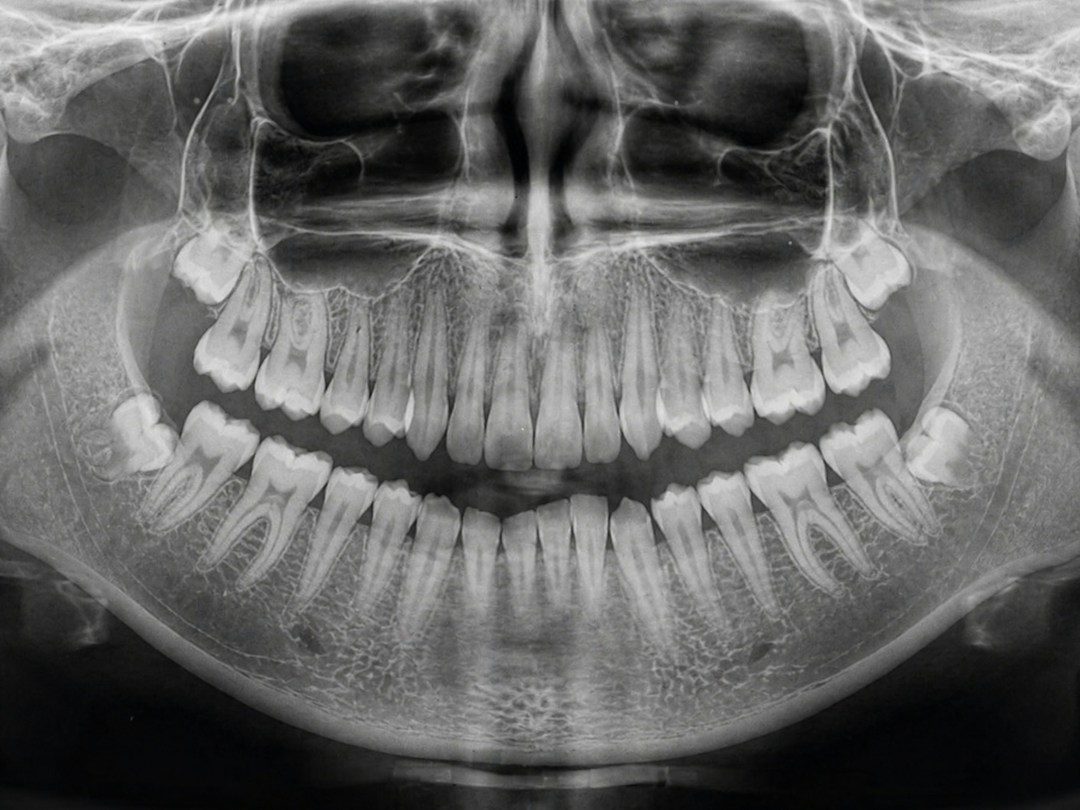
Why Does a Dentist Use Wisdom Tooth Numbers?
Tooth numbers help dentists, oral surgeons, hygienists, insurance companies, and dental laboratories communicate about the exact tooth being discussed. A number is more precise than saying “the back tooth on the left,” especially when treatment involves several teeth.
Your dental team may use tooth numbers when:
- Recording which wisdom teeth are present, missing, impacted, or partially erupted.
- Explaining which teeth may need extraction.
- Documenting an examination, X-ray, or treatment plan.
- Submitting dental insurance claims and checking procedure details.
- Discussing a tooth with another dentist or oral surgeon.
If your treatment plan lists more than one number, ask the office to confirm each tooth’s location and whether the number refers to the Universal or FDI system.
Can a Wisdom Tooth Be Missing From the Dental Chart?
Yes. Not everyone develops four wisdom teeth. A person may develop one, two, three, or none. A wisdom tooth can also be present but remain impacted beneath the gum or within the jawbone. A dental examination and appropriate imaging can help determine whether it is present and where it is positioned.
A missing number on a chart does not automatically mean a tooth is impacted or needs treatment. It may have never developed, may have been removed previously, or may simply not be included in that particular chart. Your dentist can explain what the record means.
Does the Tooth Number Tell You Whether a Wisdom Tooth Needs Removal?
No. The number identifies the tooth; it does not indicate whether the tooth is healthy or whether extraction is necessary. A dentist or oral surgeon considers symptoms, the tooth’s position, the condition of nearby teeth and gums, examination findings, and X-rays before recommending a plan.
Wisdom teeth that cause pain, repeated infection, decay, damage to a neighboring tooth, or other problems may need treatment. Healthy wisdom teeth that are fully erupted and easy to clean may sometimes be monitored instead. For more detail, read our guide to the benefits and reasons for wisdom teeth removal and our explanation of a wisdom tooth pressing against a neighboring tooth’s root. You can also review the common signs of impacted wisdom teeth and learn when wisdom teeth may be left in place.
If you have pain, swelling, fever, difficulty opening your mouth, or trouble swallowing, contact a dental professional promptly. Difficulty breathing or swallowing saliva, or rapidly spreading facial or neck swelling, requires emergency medical attention.
Frequently Asked Questions
What number tooth is the wisdom tooth?
In the US Universal Numbering System, the wisdom teeth are #1, #16, #17, and #32. Each is a third molar located at the back of the mouth.
Are wisdom teeth numbers 1, 16, 17, and 32?
Yes. Those are the four wisdom tooth numbers in the US Universal Numbering System: #1 upper right, #16 upper left, #17 lower left, and #32 lower right.
What are wisdom teeth called on a dental chart?
They are usually labeled as third molars. A chart may identify them by Universal numbers (#1, #16, #17, #32) or by FDI numbers (18, 28, 38, 48).
What are the wisdom teeth numbers in the FDI system?
The FDI numbers are 18 for the upper right, 28 for the upper left, 38 for the lower left, and 48 for the lower right wisdom tooth.
Are wisdom teeth always tooth number 32?
No. #32 is only the lower-right wisdom tooth in the US system. The other three are #1, #16, and #17.
Can you have fewer than four wisdom teeth?
Yes. Some people develop fewer than four wisdom teeth, and some do not develop any. A dentist can use an examination and X-ray to check whether they are present.
Key Takeaway
The four wisdom teeth are the third molars at the very back of the mouth. In the US Universal Numbering System, they are #1, #16, #17, and #32. In the FDI system, they are 18, 28, 38, and 48. If your dental paperwork uses a number you do not recognize, ask your dentist which numbering system is being used and have them show you the tooth on your chart or X-ray.
Sources: American Dental Association: Universal Tooth Designation System; HL7 Terminology: ADA Universal Tooth Designation System.